Hungarian Rhapsody
1979
No user ratings available yet
Representation score: 3.3 out of 10
Representation Score
Fair
1969
Director
Miklós Jancsó
Runtime
82 minutes
Average Rating
No ratings yetNew Showbiz Analysis
Miklós Jancsó’s work is a sophisticated study of systemic power and institutional control. The film uses choreographed long takes to examine how political and religious structures exert authority over individuals. While the film lacks diverse representation regarding race, gender, and LGBTQ+ identities, it provides a profound cultural critique. It deconstructs the legitimacy of state and religious institutions through a lens of moral relativism. Ultimately, the film prioritizes the movement of bodies within a landscape of shifting authority over traditional character-driven narratives, making it a political study rather than a demographic one.
Category Breakdown
The film does not include explicit LGBTQ+ characters or narratives. It focuses on the dynamics between political and religious groups rather than exploring non-cisgender identities.
Gender roles are overshadowed by the study of collective movements and hierarchies. The film lacks strong female protagonists, resulting in a depersonalized view of gender.
The production reflects a homogeneous ethnic landscape specific to its Hungarian historical context. It does not use diverse casting to explore multiple aspects of identity.
The film excels by critiquing established institutions through the conflict between Communist students and a Catholic seminary. It explores the tension between secular and religious authority.
There is no focus on visible or invisible disabilities. Characters are part of a larger socio-political structure rather than individuals with specific needs.
Present on Screen
Limited or Absent
Official Synopsis
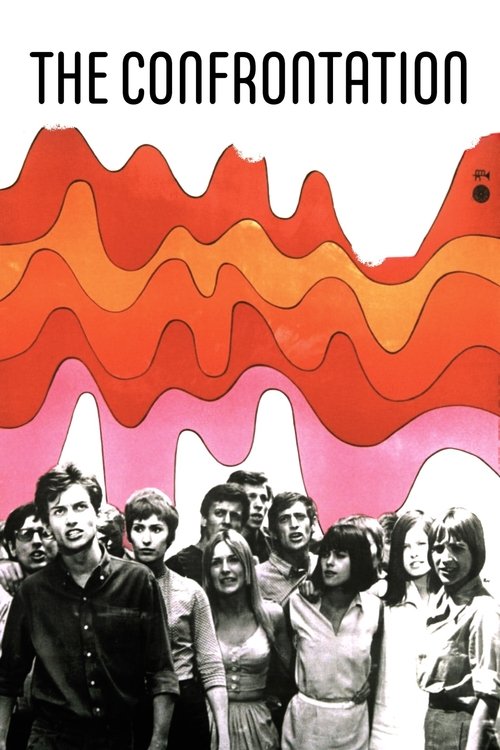
In post-WWII Hungary, a group of Communist college students arrive at a Catholic seminary hoping to engage in peaceful debate with its students.
1979

1964
1968
1928
1970

1996
1972

1965
No reviews yet. Be the first to share your thoughts on this movie!
Use the rating form above to leave a star rating and optional review.