
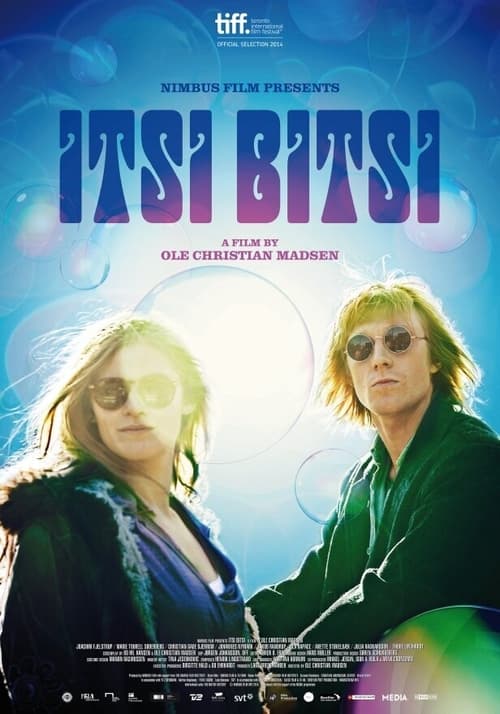
Love and Fury
2016
No user ratings available yet
Representation score: 5.3 out of 10
Representation Score
Good
2015
Director
Ole Christian Madsen
Runtime
107 minutes
Average Rating
No ratings yetNew Showbiz Analysis
Itsi Bitsi is a character study of the 1960s counter-culture, focusing on the tension between individual desires and societal structures. The film excels at deconstructing traditional gender roles and the concept of romantic ownership, providing a nuanced look at women's ability to drive the story. However, the film's scope is largely Eurocentric. While it touches on Eastern spirituality, it lacks deep, multi-dimensional ethnic representation, treating Nepal more as a symbolic destination than a culturally rich environment. Ultimately, the film is a progressive critique of Western domesticity, prioritizing personal liberation and moral relativism over established social norms.
Category Breakdown
The film challenges the idea that everyone is straight or cisgender by focusing on the concept of free love. It portrays sexual fluidity and non-exclusive relationships as ways for individuals to find personal freedom rather than as moral violations.
Iben Nagel Rasmussen subverts traditional hierarchies by serving as the narrative's ideological driver. Her refusal to submit to patriarchal ownership shifts the power dynamic, leaving the male protagonist emotionally vulnerable.
The story focuses heavily on European counter-culture. While the plot moves toward Nepal, the East serves primarily as a symbolic backdrop for spiritual seeking rather than a space for diverse ethnic representation.
The narrative critiques Western institutions like marriage and property ownership. It prioritizes subjective experience and Eastern spirituality over the restrictive social and religious codes of the early 1960s.
There is no evidence of characters navigating visible or invisible disabilities as central elements of the story.
Present on Screen
Limited or Absent
Official Synopsis
1962 is the year when an entire generation lives life as though it was their last day. Young activist Eik Skaløe has his entire life turned upside down when he falls head over heels in love with the beautiful peace activist Iben Nagel Rasmussen, and she falls in love with him. But Iben is a child of the times, and freely accepts the order of the day: free love and sex. She renounces personal right of ownership and will not settle for one man when she can have several. In typically romantic fashion, he begins a struggle to win all of her love. As a poet, writer and singer he constantly confesses his love to her. But Eik must accept defeat, and in 1968 he travels without his beloved Itsi Bitsi to Nepal, the Land of Dreams in the East. A journey from which he will never return.
2016

1970
2008
1964
2005

2005
1969

1960
No reviews yet. Be the first to share your thoughts on this movie!
Use the rating form above to leave a star rating and optional review.