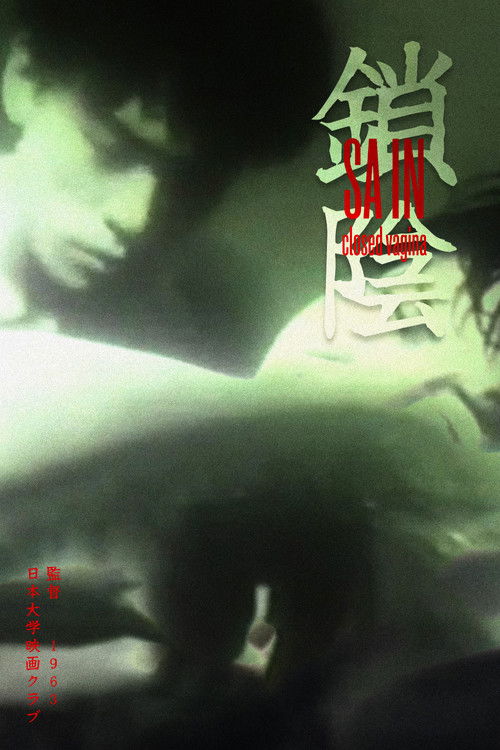
Closed Vagina
1963
No user ratings available yet
Representation score: 8.5 out of 10

Representation Score
Good
1969
Director
Masao Adachi
Runtime
71 minutes
Average Rating
No ratings yetNew Showbiz Analysis
Masao Adachi’s *Sexual Play* is a provocative militant film that uses sexual transgression to examine political apathy. By filming on the actual barricades of Nihon University, the film blurs the line between documentary reality and radical performance. The film successfully deconstructs traditional social roles and hierarchies. It uses the intersection of sexuality and politics to challenge the viewer to distinguish between performative rebellion and genuine systemic engagement. However, the film remains deeply rooted in a specific Japanese student radicalism, limiting its broader representation of diverse identities.
Category Breakdown
The film explores sexual liberation as a way to challenge traditional social structures that assume everyone is straight. While specific LGBTQ+ identities aren't detailed, the focus on free-love sessions critiques conventional sexual norms.
Gender hierarchies are challenged by presenting sexual dynamics as a site of political struggle. The depiction of 'play' rape highlights the power and control within social autonomy.
The film centers on a specific Japanese ethnic and national context, focusing on localized resistance to Western-aligned institutions. It does not feature multi-ethnic or color-blind casting.
The work engages deeply with anti-establishment themes, critiquing Western-influenced institutional stability. It deconstructs traditional social orders by prioritizing direct action over middle-class morality.
There is no significant portrayal of physical or neurodivergent disabilities within the film's narrative or historical context.
Present on Screen
Limited or Absent
Official Synopsis
A masterpiece of militant cinema of 1968, filmed on the actual barricades of Adachi's very own Nihon University during the period of social struggles. The film begins in a lengthy free-love session taking the form of a 'play' rape being enacted by a group of aimless, listless and political apathetic students. The subtext intended by Adachi informs the rest of the film – that there is a world of difference between direct action politics, and merely talking the talk.
1963
1967
1970

1977

1971

1967

1969
1971
No reviews yet. Be the first to share your thoughts on this movie!
Use the rating form above to leave a star rating and optional review.