
The Constant Woman
1933
No user ratings available yet
Representation score: 2.0 out of 10
Representation Score
Minimal
1935
NRDirector
Alfred E. Green
Runtime
79 minutes
Average Rating
No ratings yetNew Showbiz Analysis
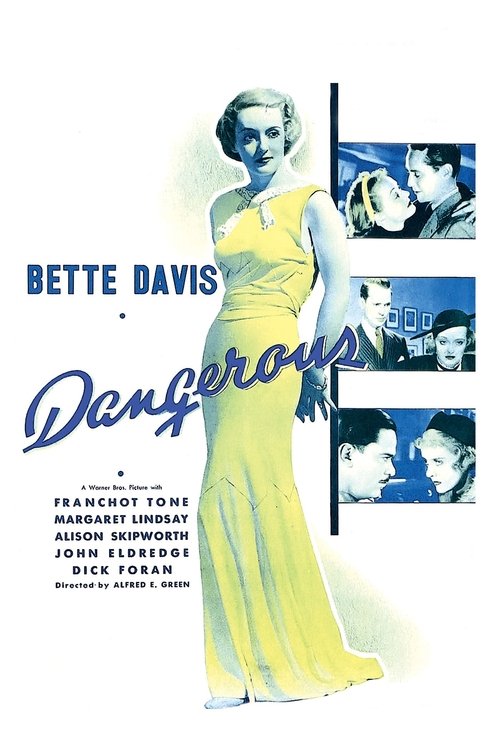
Dangerous is a conventional period drama that upholds traditional social and gender hierarchies. The narrative structure prioritizes restoring the status quo through patriarchal means. The film functions as a typical character study of redemption within a conservative social framework. It lacks the complexity needed to address systemic issues or broader societal critiques. Ultimately, the story centers on an individual's journey to rejoin established social orders rather than disrupting them.
Category Breakdown
The film does not include any representation of LGBTQ+ identities. Romantic and social interactions follow the traditional courtship norms of the 1930s.
Despite having a female protagonist, her role is limited by her socioeconomic circumstances. She depends on male intervention and sponsorship for her rehabilitation and professional comeback.
The cast is predominantly white, reflecting the homogeneity typical of mainstream dramas from this era. There is no blending of racial backgrounds or subversion of the Anglo-Saxon casting norm.
The story adheres to a traditional framework of morality and personal responsibility. It emphasizes reclaiming social standing within a Western context without challenging capitalist or institutional norms.
Alcoholism is a key plot device, but the portrayal focuses on a moralistic cautionary tale rather than exploring addiction as a chronic health condition.
Present on Screen
Limited or Absent
Official Synopsis
Don Bellows finds former stage star Joyce Heath a penniless drunk and takes her to his Connecticut home for rehabilitation. He asks his fiancée Gail to free him and offers to sponsor Joyce in a play.
1933

1952
1935

1930

1932

1929

1928

1935
No reviews yet. Be the first to share your thoughts on this movie!
Use the rating form above to leave a star rating and optional review.