Dangerous
1935
No user ratings available yet
Representation score: 1.7 out of 10
Representation Score
Minimal
1935
NRDirector
John M. Stahl
Runtime
112 minutes
Average Rating
No ratings yetNew Showbiz Analysis
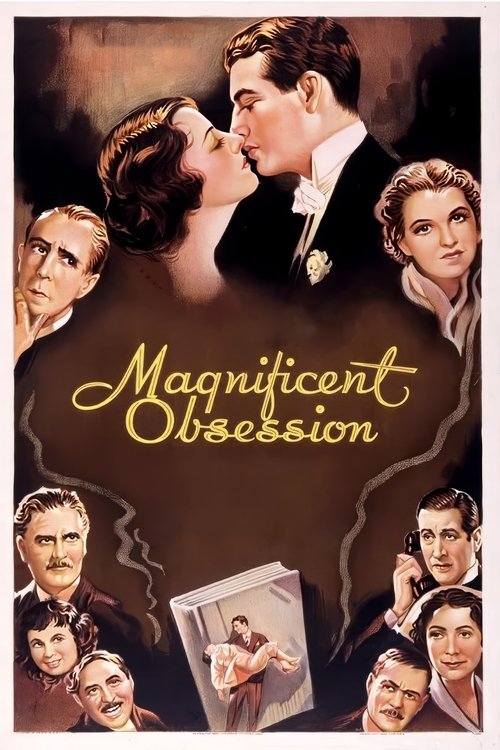
Magnificent Obsession is a quintessential 1930s melodrama that reinforces the social and moral hierarchies of its era. The narrative centers on a wealthy male protagonist whose journey from hedonism to redemption drives the plot, leaving little room for diverse perspectives. The film's structure relies heavily on traditional gender roles and a monolithic cultural setting. While it explores themes of redemption and sacrifice, these are framed through a strictly Western, religious lens that avoids challenging established social norms. Ultimately, the film functions as a period piece that upholds a homogeneous perspective on gender, race, and religion. It uses disability and suffering primarily as narrative tools for character development rather than as authentic explorations of identity.
Category Breakdown
The film does not include any visible LGBTQ+ characters or representations of queer relationships. The romantic storyline focuses solely on a traditional male-female pairing.
The male protagonist Bob Merrick holds the primary role in driving the story and wields significant social power. Janie, the female lead, demonstrates emotional strength but her role is largely defined by enduring hardship and providing care.
The cast is predominantly white, reflecting the era's lack of diversity. The narrative does not feature significant characters from different racial or ethnic backgrounds.
The story emphasizes a singular moral framework centered around spiritual redemption and divine intervention. It reinforces traditional Western values and religious morality without challenging established norms.
A terminal illness serves as a plot device to catalyze the protagonist's transformation. The portrayal focuses on the 'suffering victim' cliché rather than exploring the lived experience of disability.
Present on Screen
Limited or Absent
Official Synopsis
A playboy tries to redeem himself after his careless behavior causes a great man's death.
1935
1954

1937

1952

1930
1928
1929
1939
No reviews yet. Be the first to share your thoughts on this movie!
Use the rating form above to leave a star rating and optional review.