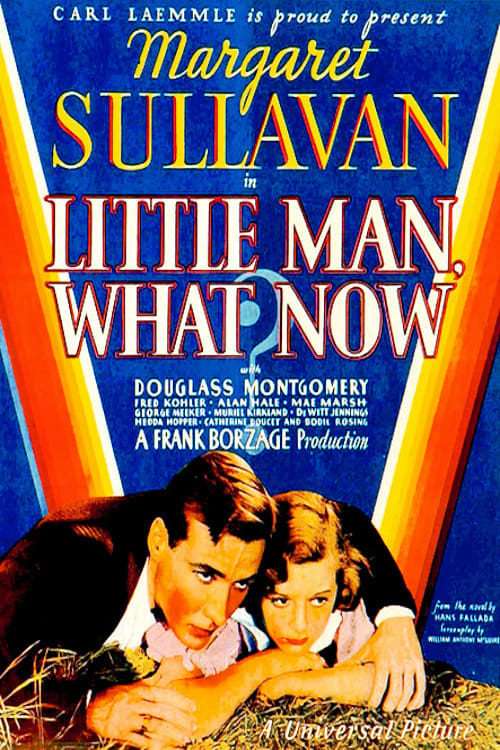
Little Man, What Now?
1934
No user ratings available yet
Representation score: 1.2 out of 10
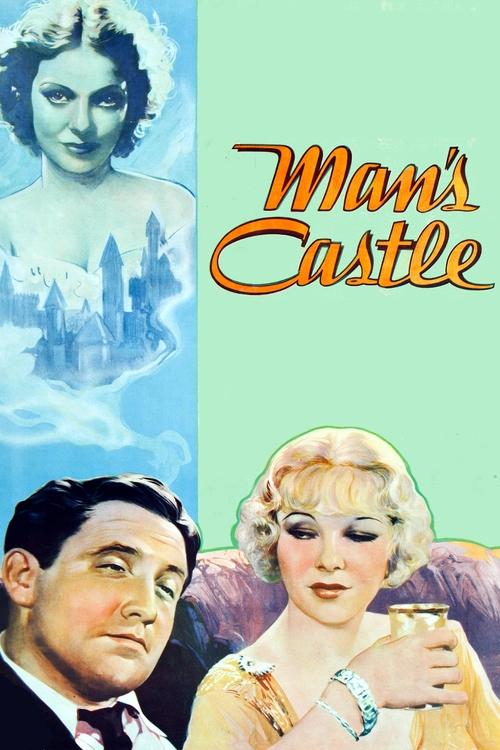
Representation Score
Minimal
1933
NRDirector
Frank Borzage
Runtime
75 minutes
Average Rating
No ratings yetNew Showbiz Analysis
Man's Castle is a quintessential 1930s romantic melodrama that prioritizes traditional social stability and conventional gender roles. The narrative focuses on socioeconomic mobility and the pursuit of middle-class security within a Western framework. While the film offers a nuanced look at a woman's struggle between economic necessity and romantic desire, it remains tied to the patriarchal structures of its era. The characters operate within a homogeneous demographic landscape that lacks racial or LGBTQ+ diversity. Ultimately, the film serves as a period-accurate reflection of its time, reinforcing existing social hierarchies rather than challenging them.
Category Breakdown
The film follows the strict conventions that assume everyone is straight and cisgender. There are no depictions of non-straight or non-cisgender identities or intimate relationships between people of the same sex.
The female protagonist navigates choices between social stability and romantic desire. However, her role in driving the story is largely defined by her relationships with men and her move toward domestic life.
The production reflects the demographic homogeneity typical of the early Hollywood studio era. The cast is primarily white, and the narrative does not engage with racial or ethnic diversity.
The story is rooted in traditional Western values, emphasizing the sanctity of the domestic sphere. It reinforces social hierarchies rather than challenging capitalist or Western institutions.
There are no prominent depictions of physical or neurodivergent disabilities. Such elements do not serve as central character drivers in the narrative.
Present on Screen
Limited or Absent
Official Synopsis
Bill takes Trina into his depression camp cabin. Later, just as he finds showgirl LaRue who will support him, Trina becomes pregnant.
1934
1928

1944

1920
1938

1951

1933
1952
No reviews yet. Be the first to share your thoughts on this movie!
Use the rating form above to leave a star rating and optional review.