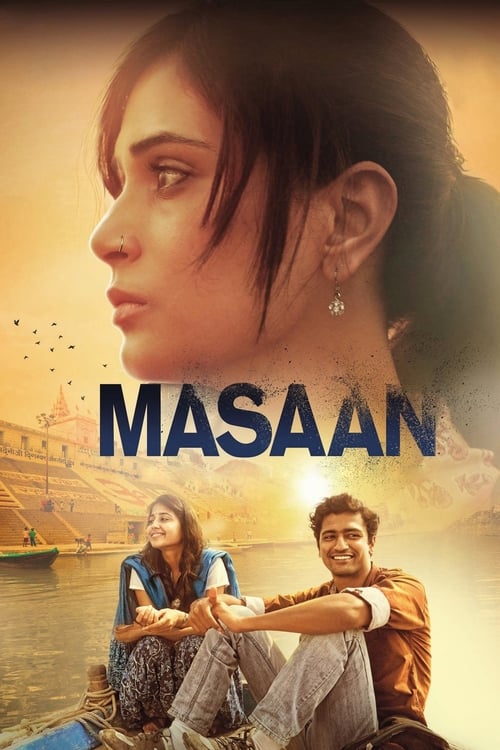
Masaan
2015
No user ratings available yet
Diversity score: 6.4 out of 10

2002
Director
Aparna Sen
Runtime
117 minutes
Average Rating
No ratings yetSynopsis
Mrs. Iyer and her infant son are traveling to Kolkata with the help of photographer Rajah. When religious tensions flare up and the bus travelers become stranded under martial law, she makes a choice to save him that entwines their lives.
Overall Score
Good
Category Breakdown
LGBTQ+ Representation
The film lacks LGBTQ+ characters or non-cisnormative identities. The story focuses exclusively on the religious and gendered tensions within its specific socio-political setting.
Gender Representation
Mrs. Iyer serves as a central figure of agency rather than a passive victim. Her moral leadership and decision-making drive the narrative, subverting traditional patriarchal tropes.
Racial & Ethnic Diversity
The film excels in depicting internal ethnic and religious diversity. It uses Hindu and Muslim identities to explore a complex, multi-layered social fabric beyond monolithic portrayals.
Religious & Cultural Diversity
The narrative offers a profound critique of sectarianism and religious institutions. It promotes a secular, humanist worldview by challenging the 'us vs. them' dichotomy through moral relativism.
Disability Representation
There is no prominent depiction of physical or neurodivergent disabilities. While psychological stress is central to the plot, it is not an exploration of disability agency.
Strengths
Areas for Improvement
AI Analysis
Aparna Sen’s direction provides a sophisticated critique of social hierarchies and religious extremism. The film succeeds by replacing rigid communal labels with a nuanced exploration of shared humanity, particularly through its focus on religious and ethnic complexity. The narrative's strength lies in its subversion of traditional power dynamics. By centering the story on female agency and a secular humanist perspective, it disrupts the standard tropes of vulnerability and sectarian division. However, the film remains narrow in its scope regarding certain identities. The absence of LGBTQ+ representation and specific disability narratives limits its breadth, despite its deep engagement with religious and gendered social structures.
2015

2004
1992
1973
1982
2009
2009

2018

2017
2009
1998
1974
No reviews yet. Be the first to share your thoughts on this movie!
Use the rating form above to leave a star rating and optional review.