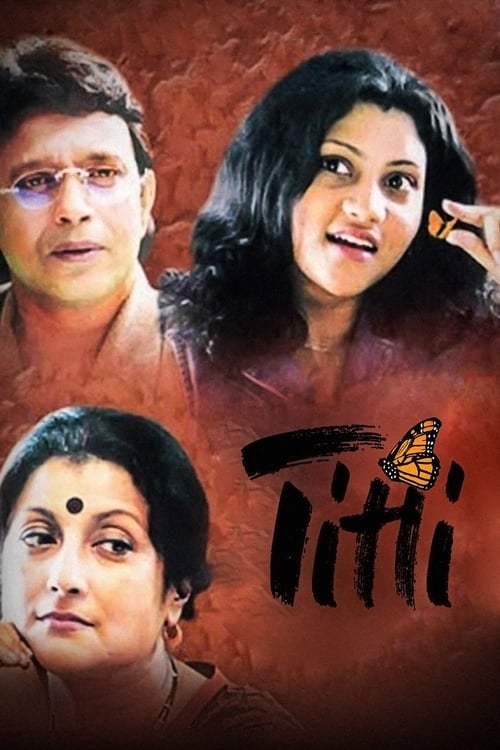
Titli
2002
No user ratings available yet
Diversity score: 5.9 out of 10

2018
Director
Sanal Kumar Sasidharan
Runtime
85 minutes
Average Rating
No ratings yetSynopsis
Anxious Durga and her friend, Kabeer are running away from their village at midnight. On the same night there is a huge festival happening at the village temple where Goddess Durga is being worshipped. Devotees are offering their body and mind to please their Goddess. At the same time the woman, Durga, faces complete darkness of the night on the highway. Some drivers offer help to Durga and Kabeer to reach the railway station. Their journey filled with darkness and agony is mystical. Devi Durga is the Goddess of power but what about the woman Durga who is in the midst of darkness?
Overall Score
Good
Category Breakdown
LGBTQ+ Representation
The film lacks explicit narratives regarding non-heteronormative identities. While it explores themes of autonomy and desire, it does not prominently feature queer characters or same-sex intimacy.
Gender Representation
The narrative centers the female experience, deconstructing tropes of women as passive observers. By focusing on Durga's agency and psychological interiority, it effectively challenges traditional patriarchal structures.
Racial & Ethnic Diversity
Set in Kerala, the film features a predominantly Malayali cast. It offers an authentic, localized portrayal of South Indian life that resists a Western-normative gaze.
Religious & Cultural Diversity
The film juxtaposes religious rituals of Goddess Durga with the mundane reality of the protagonist. This creates a tension between sacred tradition and individual, secularized existence.
Disability Representation
Themes of anxiety and psychological agony are presented as existential conditions rather than specific disabilities. The film avoids inspiration porn but lacks explicit engagement with neurodivergence.
Strengths
Areas for Improvement
AI Analysis
Sexy Durga is a meditative exploration of female subjectivity that prioritizes internal landscapes over mainstream plot mechanics. It succeeds most strongly in its subversion of gender hierarchies, repositioning the female perspective as the primary driver of the story. The film's strength lies in its authentic regional identity and its ability to critique cultural norms through the tension between religious ritual and personal autonomy. It avoids the homogenization often found in globalized media by remaining deeply rooted in its South Indian context. However, the narrative lacks specific representation for LGBTQ+ identities and does not explicitly address physical or neurodivergent disabilities. These omissions prevent a higher score despite the film's progressive approach to gender and culture.
2002
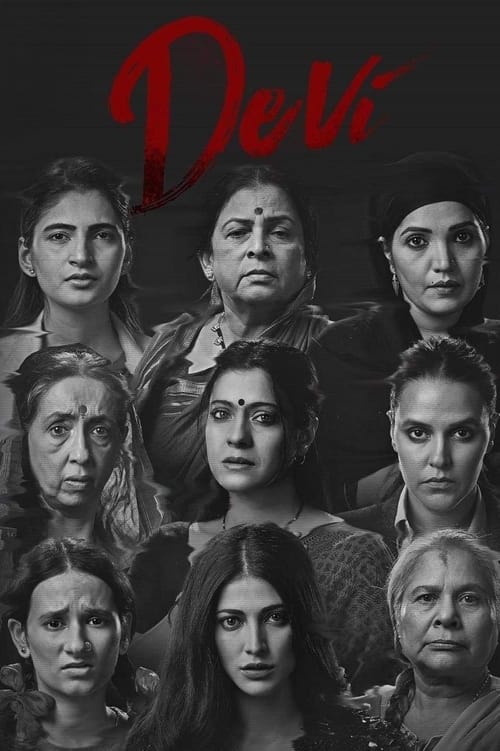
2020
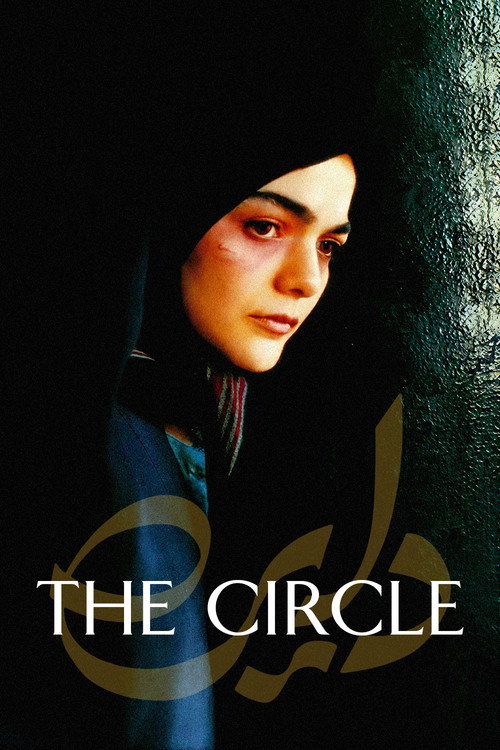
2000
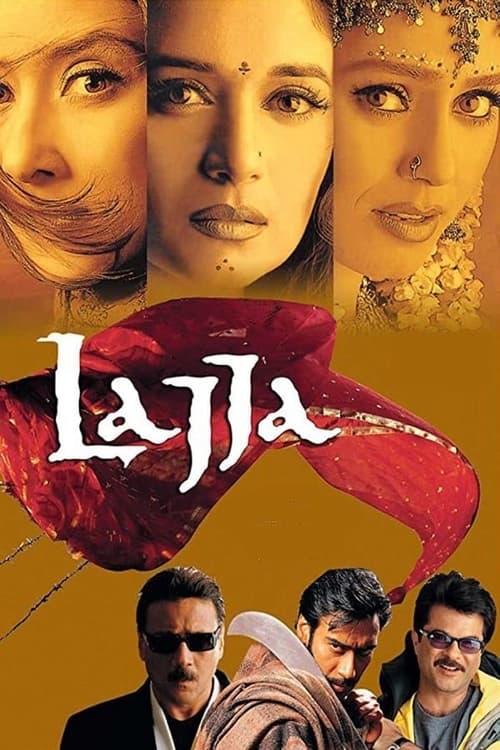
2001
2009
2019
2021
2014
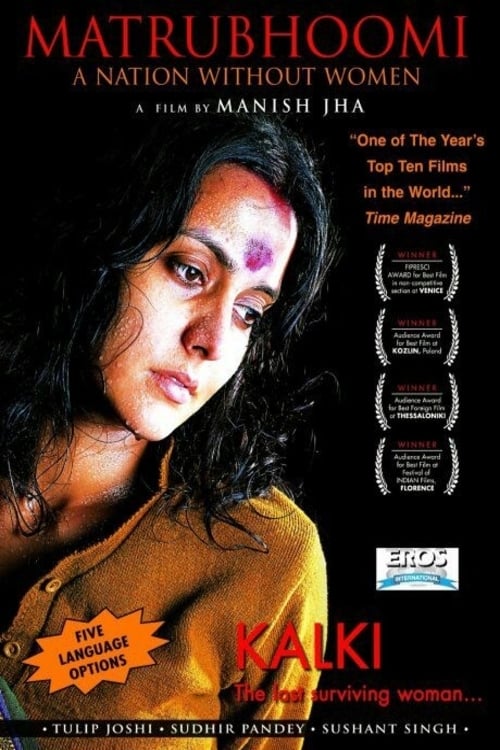
2005
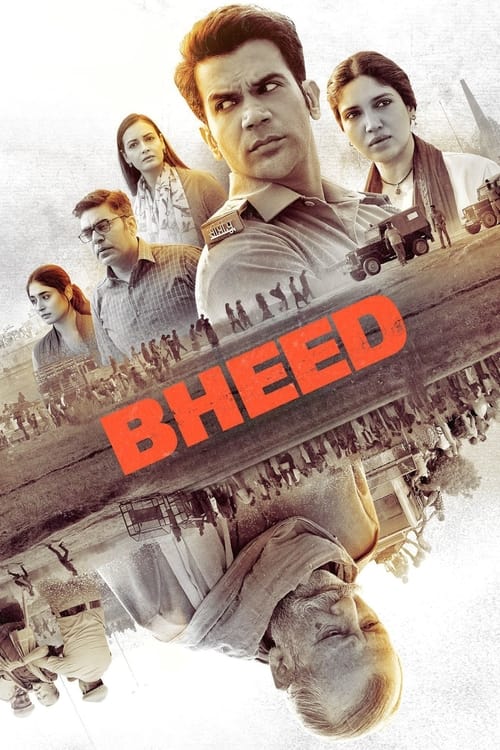
2023
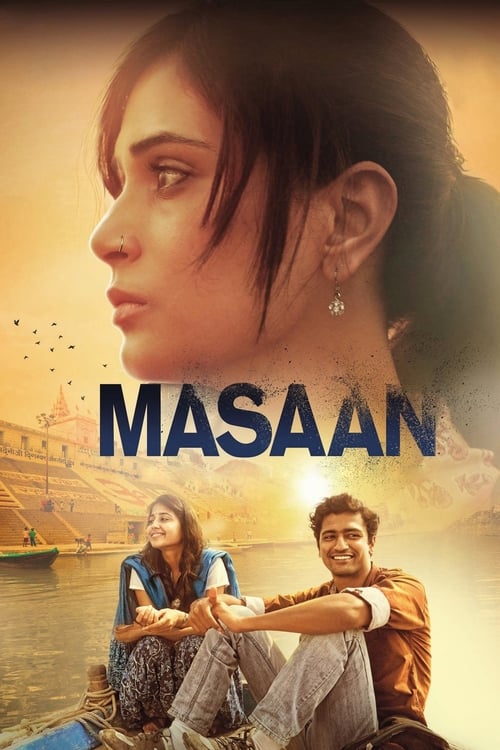
2015
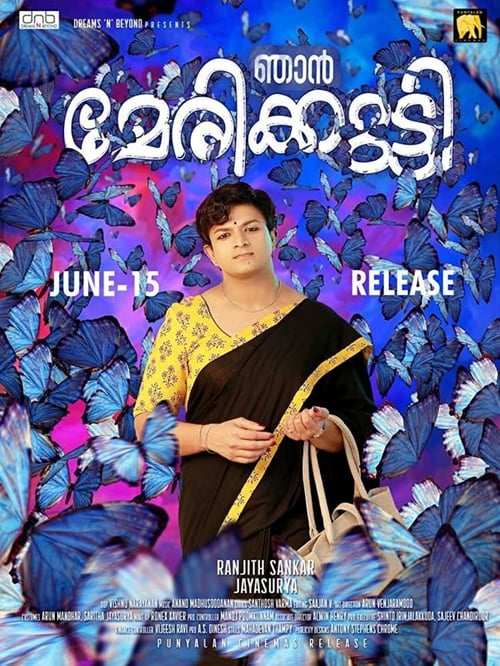
2018
No reviews yet. Be the first to share your thoughts on this movie!
Use the rating form above to leave a star rating and optional review.