Come to My Voice
2014
No user ratings available yet
Representation score: 6.2 out of 10
Representation Score
Fair
2017
Director
Sahim Omar Kalifa
Runtime
102 minutes
Average Rating
No ratings yetNew Showbiz Analysis
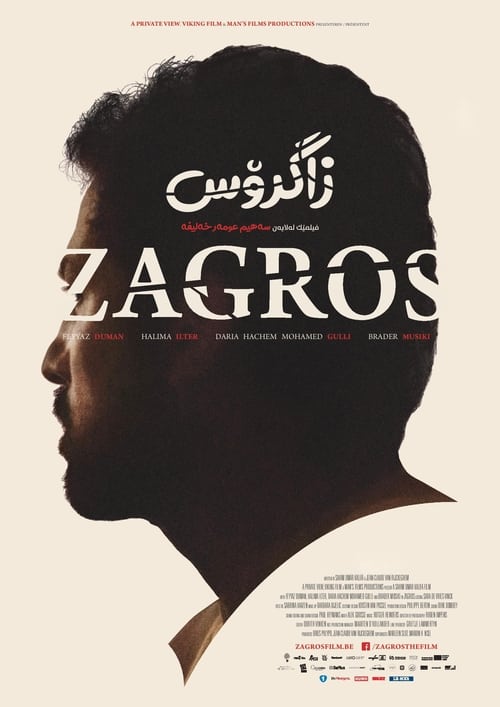
Zagros is a powerful exploration of ethnic identity and the tension between personal freedom and strict communal expectations. It succeeds by centering the Kurdish experience through a post-colonial lens, moving beyond typical geopolitical clichés to offer a specific, lived perspective. The film's strength lies in its sophisticated deconstruction of patriarchal norms. By giving the female protagonist a significant role in her actions to escape village judgment, the film challenges traditional depictions of women as passive victims. However, the narrative lacks representation for LGBTQ+ identities and disabilities. While these omissions do not diminish the film's ethnic specificity, they represent gaps in the broader spectrum of diversity.
Category Breakdown
The film does not include explicit stories involving LGBTQ+ individuals or characters who don't identify with the gender they were assigned at birth. The story centers around a family that assumes everyone is straight and cisgender.
The film challenges traditional gender roles by showing women taking action to escape communal judgment. It also depicts women actively participating in Kurdish resistance and combat.
The film excels by focusing on the deep-rooted experiences of the Kurdish community rather than ignoring race. It highlights the lived experiences of a underrepresented diaspora.
The narrative critiques oppressive social rules and geopolitical boundaries. It portrays the family unit as a complex source of surveillance rather than a stable institution.
There are no prominent depictions of visible or invisible disabilities playing a central role in the story.
Present on Screen
Limited or Absent
Official Synopsis
Zagros (26) is a shepherd who lives in a Kurdish village with his pregnant wife Havin and their daughter. His father tells him that people gossip about Havin: there are rumours of her having an affair. Zagros brushes his father’s concerns away as he trusts his wife and refuses to give credit to the rumours. Later, while Zagros tends to his sheep, he learns that his family have accused Havin of adultery and locked her up. Zagros returns to his village but finds his wife and daughter gone. Havin has fled to the west with their daughter and unborn child. Zagros, believing his wife’s innocence and opposing his father, travels to Istanbul and meets a smuggler who can take him to the west…
2014
2016
2013

2017

2023
2017

2018

2016
No reviews yet. Be the first to share your thoughts on this movie!
Use the rating form above to leave a star rating and optional review.