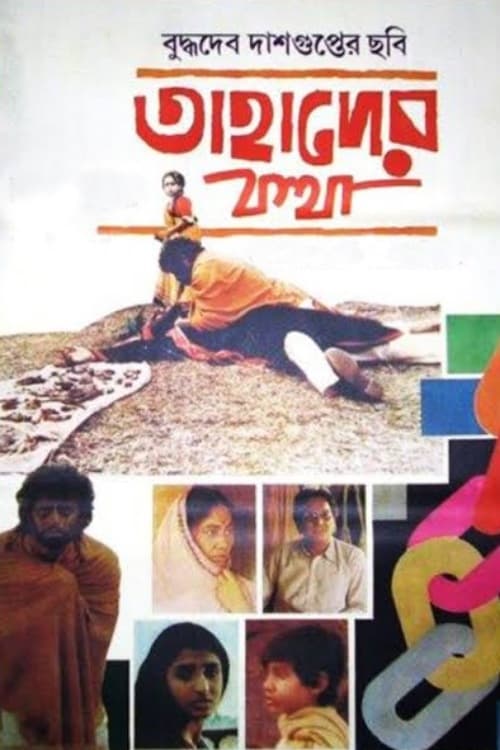
Their Story
1992
No user ratings available yet
Representation score: 6.2 out of 10
Representation Score
Good
1973
Director
M.S. Sathyu
Runtime
146 minutes
Average Rating
No ratings yetNew Showbiz Analysis
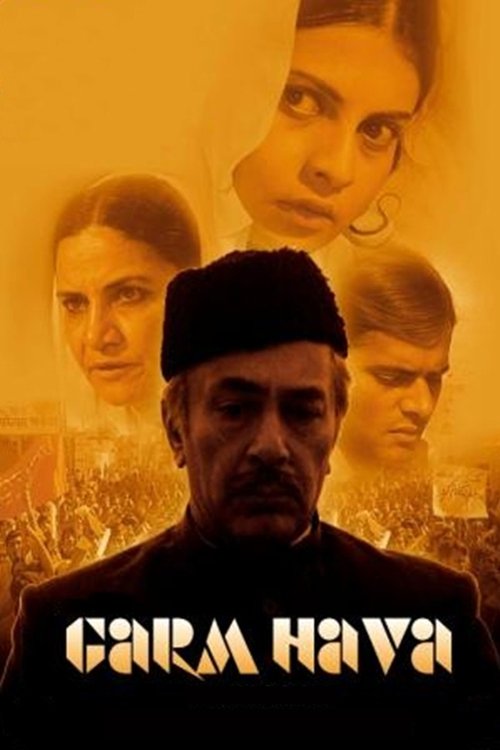
Garm Hava stands as a landmark of social realism that challenges celebratory post-independence narratives. It centers the lived experiences of religious minorities to critique systemic marginalization. The film uses the struggle for belonging to examine the failures of the state against institutional betrayal and feudalism. While it excels in critiquing institutional corruption and exploitative power structures, it lacks representation of LGBTQ+ identities and specific disability-focused narratives.
Category Breakdown
There is no presence of LGBTQ+ identities or queer subtext in the film.
The film highlights the domestic and emotional labor of women during times of political upheaval, emphasizing their crucial roles in the family's survival.
By focusing on a Muslim family, the film challenges monolithic representations of post-independence identity, exploring the unique experiences of religious minorities.
The film critiques post-colonial political corruption and exploitative land ownership, showing the struggles of peasants against oppressive ruling elites.
The film does not have specific character arcs focused on physical or neurodivergent disabilities, instead presenting a metaphorical disenfranchisement of the central family.
Present on Screen
Limited or Absent
Official Synopsis
In post-Partition India, a Muslim businessman and his family struggle for their rights in a country which was once their own.
1992
1957
1977
1963

2013
1991
1974

2005
No reviews yet. Be the first to share your thoughts on this movie!
Use the rating form above to leave a star rating and optional review.