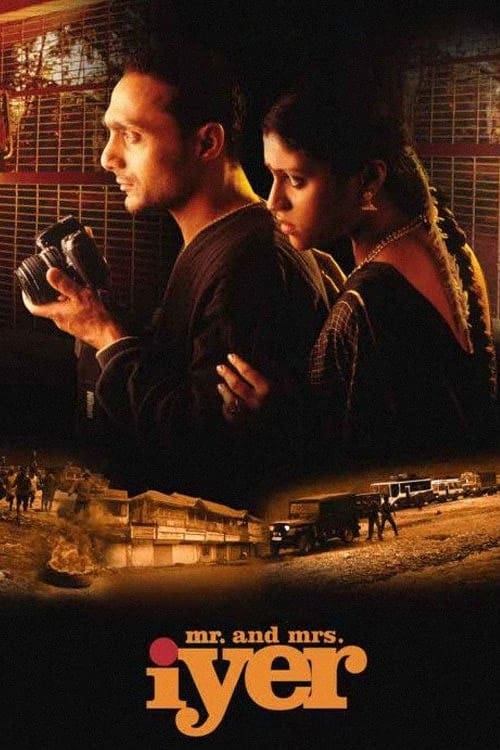
Mr. and Mrs. Iyer
2002
No user ratings available yet
Diversity score: 6.2 out of 10
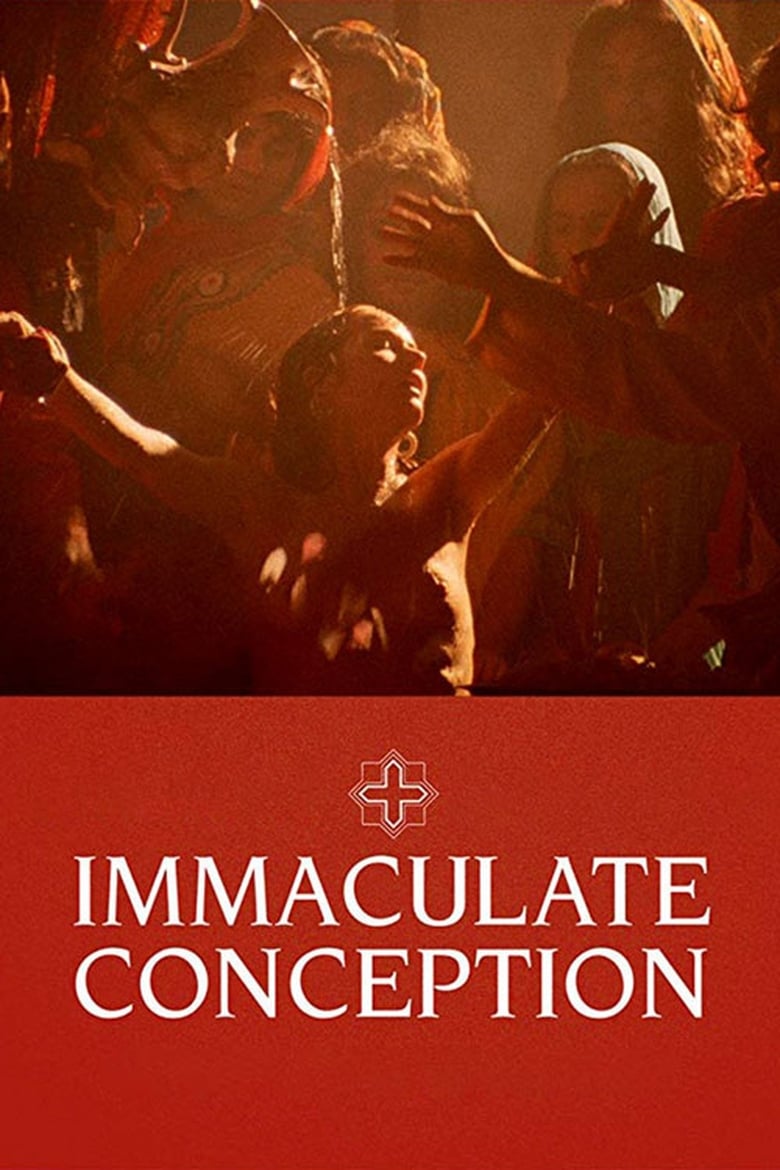
1992
Not RatedDirector
Jamil Dehlavi
Runtime
120 minutes
Average Rating
No ratings yetSynopsis
Alistair, a British representative for a wildlife conservation agency based in Karachi and his Jewish-American wife Hannah have been unsuccessful at conceiving a child. Over time, the desire to have a child begins to consume Hannah and she persuades a reluctant Alistair to go with her for three days to a fertility shrine. After a ceremony during which Hannah converts to Islam and coaxes Alistair to do the same, she becomes pregnant. But Hannah’s joy at the discovery of her pregnancy is overshadowed by worsening relations with Alistair who has started an affair with their friend Samira and tensions begin to mount when eunuchs from the shrine start to harass the couple.
Overall Score
Good
Category Breakdown
LGBTQ+ Representation
The film focuses on a heteronormative marital crisis. While eunuchs appear at the fertility shrine, they serve as agents of tension rather than characters with developed identities.
Gender Representation
Hannah’s pursuit of autonomy challenges patriarchal and religious strictures. The narrative prioritizes her psychological complexity and desire over traditional domestic stability.
Racial & Ethnic Diversity
The film avoids Western-centric tropes by placing a Jewish-American woman within a South Asian framework. It explores intersectionality through a clash of identities in a non-Anglo-Saxon environment.
Religious & Cultural Diversity
The story critiques religious dogma and traditionalist social orders as restrictive. It uses Hannah’s spiritual shift to explore how organized belief systems govern bodily autonomy.
Disability Representation
There is no significant focus on neurodivergence or physical disability. The eunuchs represent social marginalization but lack explored lived experiences or agency.
Strengths
Areas for Improvement
AI Analysis
Immaculate Conception succeeds as a post-colonial drama that disrupts the typical Western traveler narrative. By centering the friction between individual agency and systemic religious authority, the film moves beyond tokenism to explore identity and faith. The film's strength lies in its sophisticated handling of gender and cultural intersectionality. Hannah’s journey provides a powerful subversion of traditional hierarchies, making her the emotional and narrative anchor. However, the film lacks depth in its treatment of non-cisnormative characters and disability. While these elements exist within the social landscape, they function more as atmospheric tools for tension than as fully realized human experiences.
2002
1990

2004
2013
2005

2017
2009

2004
1995
1999
2012
1982
No reviews yet. Be the first to share your thoughts on this movie!
Use the rating form above to leave a star rating and optional review.