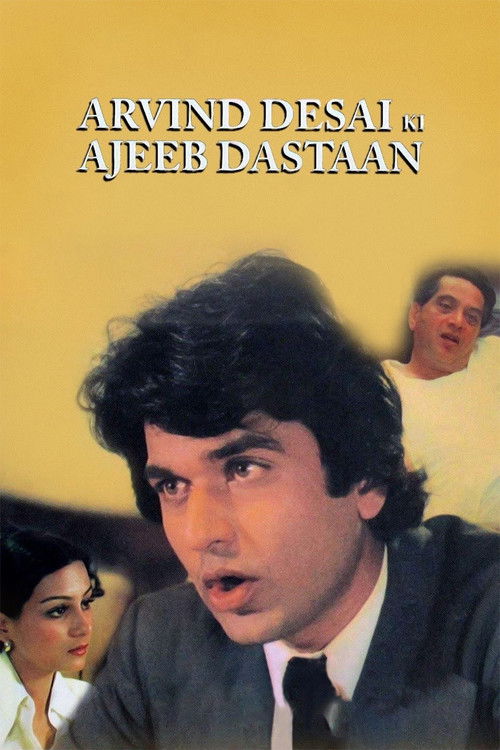
The Strange Fate of Arvind Desai
1978
No user ratings available yet
Diversity score: 5.1 out of 10
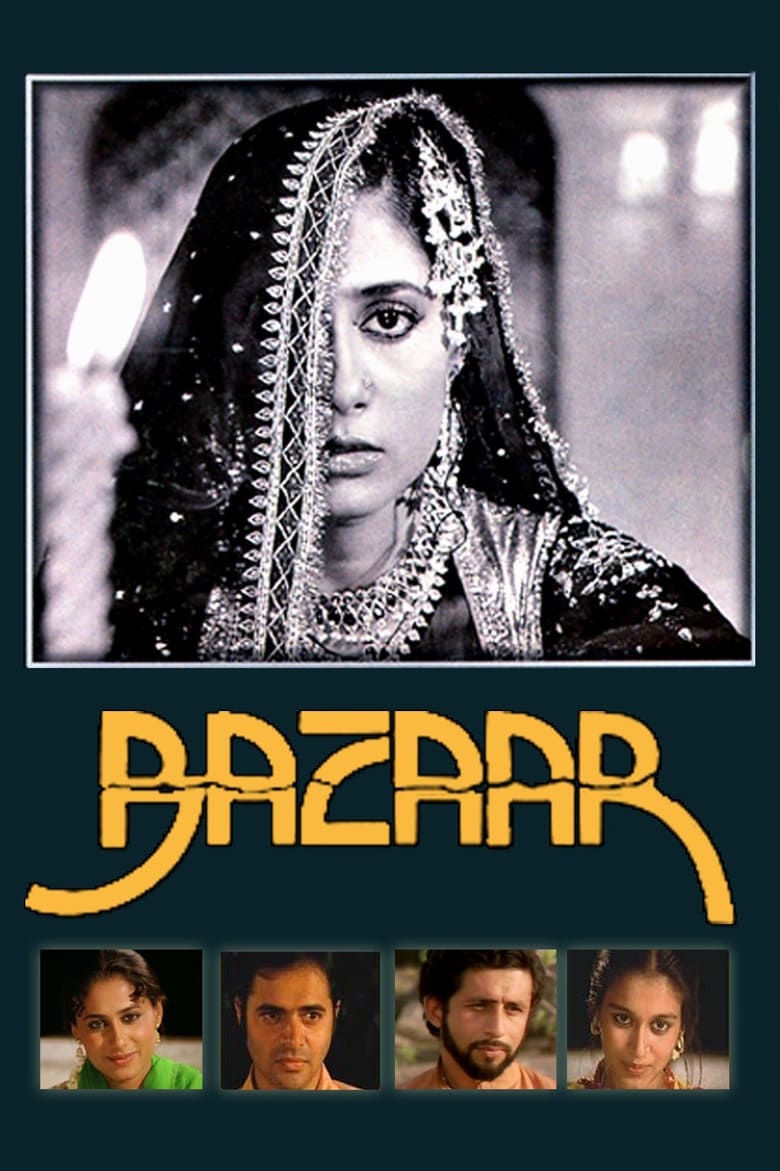
1982
Director
Sagar Sarhadi
Runtime
121 minutes
Average Rating
No ratings yetSynopsis
Najma cannot marry Akhtar until he is financially stable. An elderly Shakir promises to help Akhtar set up his business in exchange for Najma finding a suitable bride for him
Overall Score
Fair
Category Breakdown
LGBTQ+ Representation
The film lacks LGBTQ+ characters or non-heteronormative identities. Romantic tension remains strictly within traditional, heteronormative frameworks.
Gender Representation
Najma serves as a central catalyst rather than a passive participant. The story highlights the resilience required of women navigating patriarchal economic structures.
Racial & Ethnic Diversity
The film depicts a multi-layered urban populace across various socioeconomic strata. It avoids a monolithic view by focusing on the diverse Indian working class.
Religious & Cultural Diversity
The narrative offers a sharp critique of capitalist structures and class stratification. It explores how systemic poverty forces the subversion of conventional morality.
Disability Representation
There is no intentional focus on physical or neurodivergent identities. The film explores poverty as a systemic disability rather than individual impairment.
Strengths
Areas for Improvement
AI Analysis
Bazaar is a standout example of Indian Parallel Cinema, prioritizing social realism over mainstream escapism. It successfully deconstructs class and gendered power dynamics by centering the narrative on the economic struggles of the urban underclass. The film excels in its cultural critique, using the marketplace to expose the failures of the post-colonial state and the cruelty of wealth concentration. Najma provides a strong emotional anchor, demonstrating significant agency despite a patriarchal setting. However, the film's diversity is limited by its narrow focus on heteronormative romance and its lack of representation for LGBTQ+ individuals or characters with specific disabilities. These omissions moderate the overall impact of its social commentary.
1978

1973

1995
1974
1991
2019
1991
2020
1963

2015

2003
1985
No reviews yet. Be the first to share your thoughts on this movie!
Use the rating form above to leave a star rating and optional review.