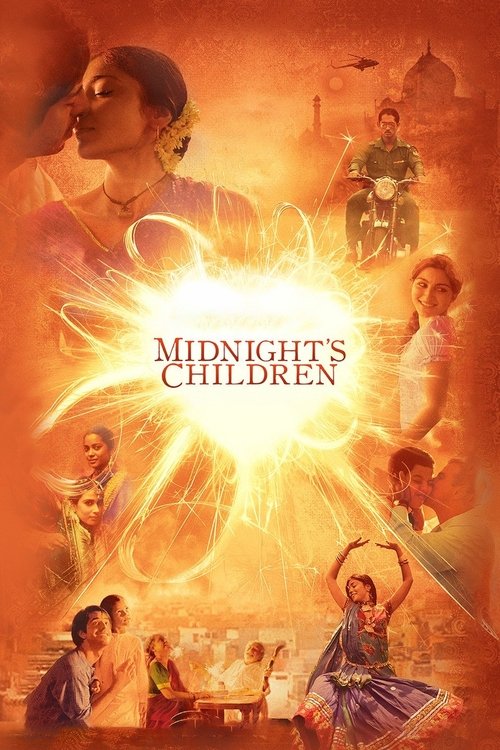
Midnight's Children
2012
No user ratings available yet
Diversity score: 6.8 out of 10
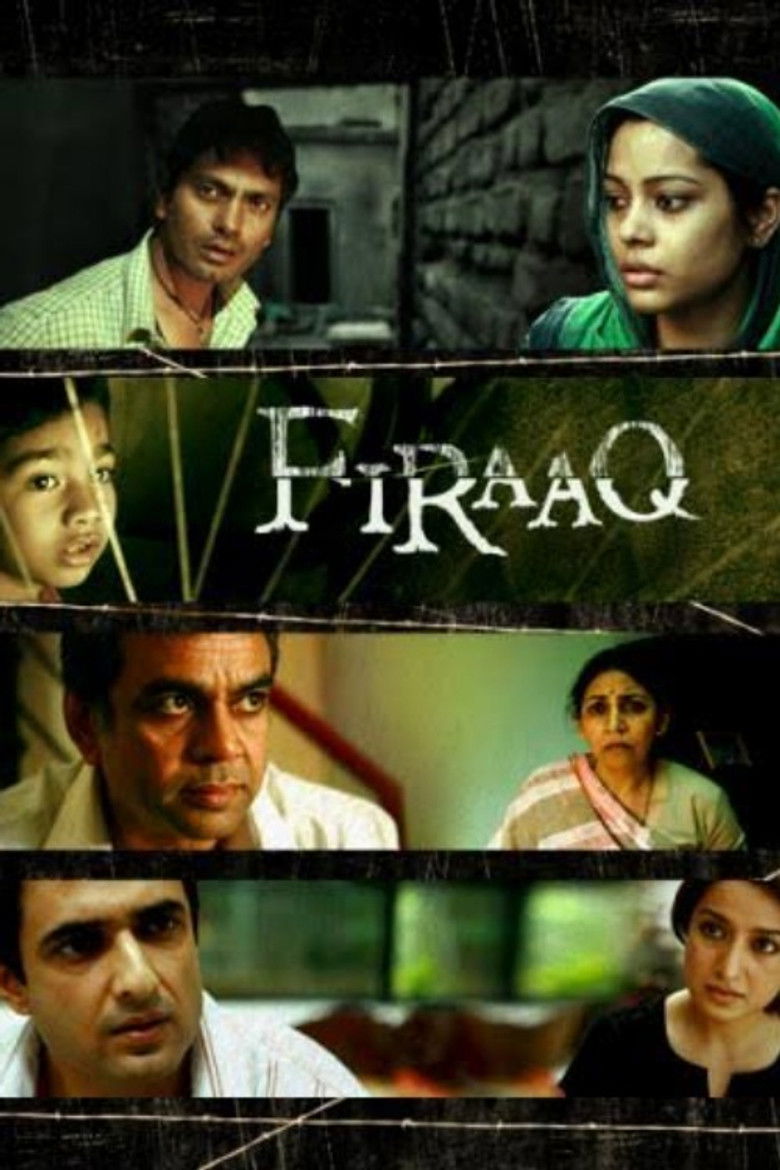
2009
Director
Nandita Das
Runtime
101 minutes
Average Rating
No ratings yetSynopsis
Firaaq is an Urdu word that means both separation and quest. The film is a work of fiction, based on a thousand stories. The story is set over a 24-hour period, one month after a campaign that took place in Gujarat, India, in 2002. It traces the emotional journey of ordinary people- some who were victims, some perpetrators and some who choose to watch silently.
Overall Score
Good
Category Breakdown
LGBTQ+ Representation
The film does not center on queer identities or non-cisnormative narratives. While it lacks explicit LGBTQ+ character arcs, its interrogation of social norms prevents it from being regressive.
Gender Representation
Women are portrayed with significant agency as they navigate grief and survival. The film disrupts traditional hierarchies by highlighting female emotional labor rather than relying on stable male leadership tropes.
Racial & Ethnic Diversity
The narrative excels in depicting ethnic and religious intersectionality. It avoids caricatures by using a diverse cast to represent various social strata and the friction between Hindu and Muslim communities.
Religious & Cultural Diversity
The film offers a significant critique of religious hegemony and institutional power. It presents a spectrum of responses to communal violence, from active perpetrators to silent bystanders, without being didactic.
Disability Representation
There is no prominent evidence of characters with visible or invisible disabilities driving the plot. The focus remains on communal and psychological trauma rather than specific disability-centric arcs.
Strengths
Areas for Improvement
AI Analysis
Nandita Das utilizes a mosaic structure to examine the psychological fractures caused by communal violence in Gujarat. By avoiding a singular protagonist, the film explores how systemic failures impact a wide spectrum of ordinary people. The work succeeds by deconstructing monolithic national identities through deep, individualized portrayals of religious and ethnic conflict. It prioritizes the interrogation of power dynamics over traditional, idealized social depictions. While the film is a sophisticated study of intersectional identity, it lacks specific focus on LGBTQ+ narratives or disability-centric storylines, keeping its lens primarily on religious and ethnic tensions.
2012
2023
2017
1998
2018
2014
2014
2012
2015
2001
2015
2002
No reviews yet. Be the first to share your thoughts on this movie!
Use the rating form above to leave a star rating and optional review.