
Saaransh
1984
No user ratings available yet
Representation score: 6.0 out of 10
Representation Score
Fair
1998
Not RatedDirector
Mahesh Bhatt
Runtime
125 minutes
Average Rating
No ratings yetNew Showbiz Analysis
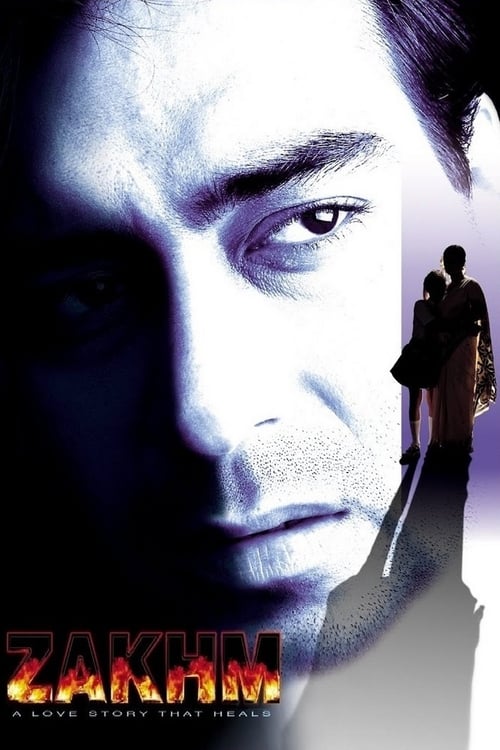
Zakhm is a film that prioritizes emotional realism over commercial archetypes. It centers underrepresented perspectives, particularly through its nuanced portrayal of ethnic and religious identity during communal tensions. The film's strength lies in its refusal to offer simple solutions or a singular nationalist narrative. By focusing on systemic issues and moral ambiguity, it provides a sophisticated critique of power structures. However, the film's scope is limited in representing certain identities. It lacks any depiction of LGBTQ+ characters or disability-focused narratives.
Category Breakdown
The film does not include any LGBTQ+ characters or explore non-straight identities. Its focus is on religious and gender identity politics.
Meghna plays a key role in driving the story through her political awakening. The film challenges traditional male dominance by placing her at the center of an ideological conflict.
The story emphasizes Muslim experiences and the Kashmiri struggle within India. It moves away from a single national identity towards a more layered perspective.
The film criticizes state-enforced morality and religious divisions. It avoids simplistic messages, presenting a world of complex ethical situations and systemic issues.
Physical trauma from communal violence is shown, but disability is not a main identity or character arc. There is no significant representation focused on disability.
Present on Screen
Limited or Absent
Official Synopsis
Amidst religious riots, a son deals with his mother's life-threatening injuries, and her last request.
1984
2003
2009
2004
2005

2005

2005
2003
No reviews yet. Be the first to share your thoughts on this movie!
Use the rating form above to leave a star rating and optional review.