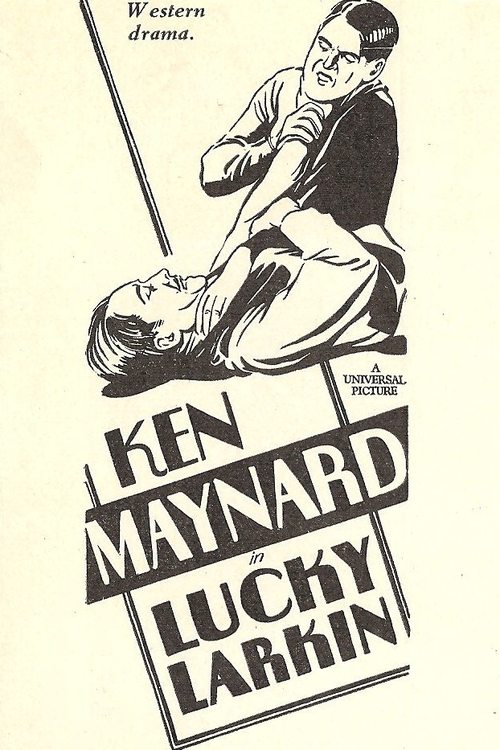
Lucky Larkin
1930
No user ratings available yet
Representation score: 1.3 out of 10
Representation Score
Minimal
1930
PassedDirector
Harry Joe Brown
Runtime
76 minutes
Average Rating
No ratings yetNew Showbiz Analysis
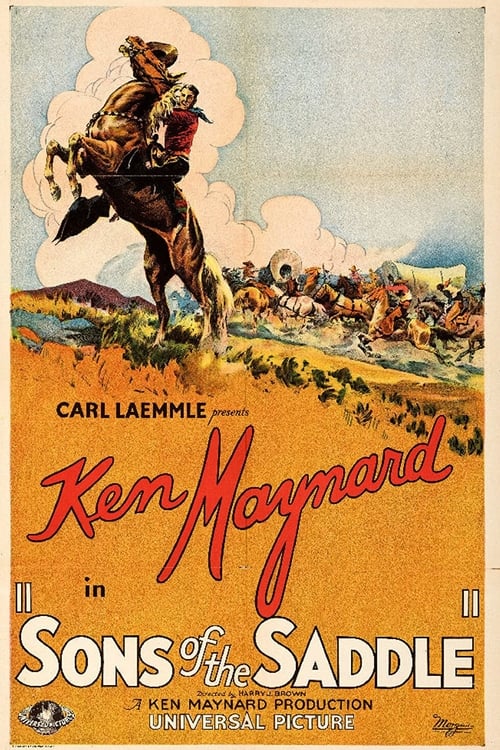
Sons of the Saddle is a classic early Western that adheres to the social hierarchies of 1930s cinema. The narrative structure relies on established archetypes, focusing on masculine prowess and the protection of ranching interests. Representation is limited, as the film reinforces a status quo of white, straight-centered, and patriarchal values. Women and minority groups play minor roles within a male-driven plot. Ultimately, the film serves to reinforce traditional frontier morality rather than challenge it.
Category Breakdown
The story revolves around a romantic triangle between Jim, Harvey, and Ronnie, none of whom have any queer identities or subtext in their relationships.
Gender roles are strictly traditional, with Ronnie serving mainly as a romantic catalyst. The plot emphasizes male conflict and physical protection over female involvement.
The narrative focuses on a predominantly white ranching community. The ethnic makeup of the antagonist's gang is unspecified, but the setting reflects the era's homogeneity.
The film upholds traditional Western values and property rights, emphasizing a singular moral order centered on protecting frontier institutions.
There is no depiction of physical or neurodivergent disabilities in the narrative.
Present on Screen
Limited or Absent
Official Synopsis
Jim Brandon, foreman of the Wind River Ranch, owned by Martin Stavnow, is in love with Ronnie, the rancher's daughter, though he is unaware that Harvey, a youthful cowhand, also loves her. Thus, Jim asks the boy, whom he protects like a brother, to speak for him. When he is spurned by Ronnie, Harvey decides to join Red Slade's gang, who are plotting a raid on the Wind River herd. As Jim forcibly attempts to separate him from the gang, Harvey is killed; and through the aid of his horse, Tarzan, Jim foils Slade's attempt to stampede the herd. Slade takes refuge in a wagon where Ronnie is hiding; Jim rescues Ronnie from the wagon just before the runaway team plunges over a cliff with Slade riding to his doom.
1930
1930
1930
1930
1936
1930
1925
1930
No reviews yet. Be the first to share your thoughts on this movie!
Use the rating form above to leave a star rating and optional review.