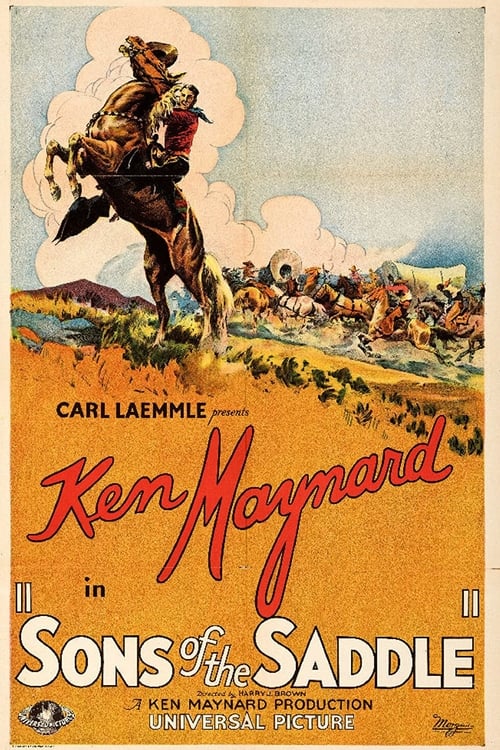
Sons of the Saddle
1930
No user ratings available yet
Representation score: 1.3 out of 10
Representation Score
Limited
1930
PassedDirector
Harry Joe Brown
Runtime
73 minutes
Average Rating
No ratings yetNew Showbiz Analysis
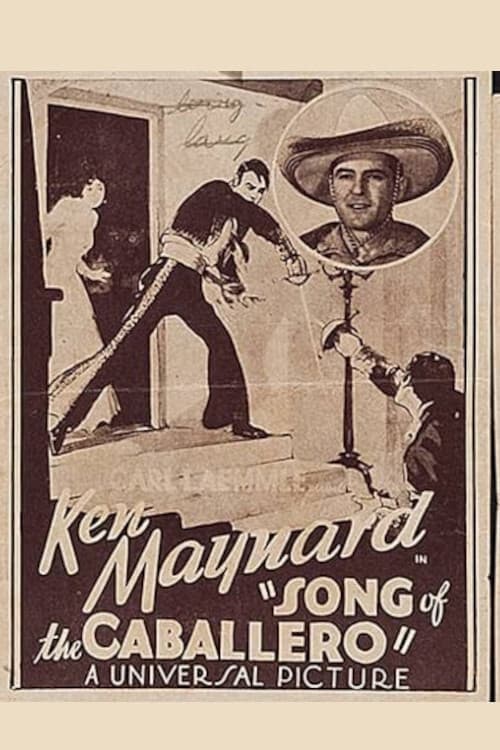
Song of the Caballero is a product of early 1930s genre filmmaking, adhering strictly to traditional Western and melodrama structures. The plot focuses on romantic entanglements, social reintegration, and the protection of female characters, reinforcing standard social hierarchies. The film operates within a narrow framework that prioritizes conventional morality and established social rituals like weddings. While the protagonist El Lobo has a degree of ability to act, the narrative lacks the depth needed to challenge racial or gender stereotypes common to the period. Ultimately, the work reflects mainstream cinematic norms, offering little room for diverse representation or disrupting the cultural status quo.
Category Breakdown
The film centers around a conventional wedding and does not include any non-traditional gender identities or critiques of the assumption that everyone is straight or cisgender.
Female characters like Anita and Conchita play important emotional roles. However, they mainly fulfill traditional roles, such as needing rescue or participating in social events.
The story uses ethnic markers typical of Western films, like Spanish-influenced names. These likely reflect the era's tendency towards stylized or stereotypical Hispanic characters.
The narrative highlights social institutions like marriage and class hierarchies. It relies on conventional morality without questioning Western traditions or promoting secular views.
The film does not feature any characters with visible or invisible disabilities.
Present on Screen
Limited or Absent
Official Synopsis
After El Lobo robs Don Jose he gives one of the stolen items to Conchita. Later when he saves Anita in a runaway coach, Don Pedro invites him to the wedding of Anita and his son Don Jose. But Conchita is at the wedding and recognizes him putting his life in danger.
1930
1930

1931
1930
1931
1931
1933
1932
No reviews yet. Be the first to share your thoughts on this movie!
Use the rating form above to leave a star rating and optional review.