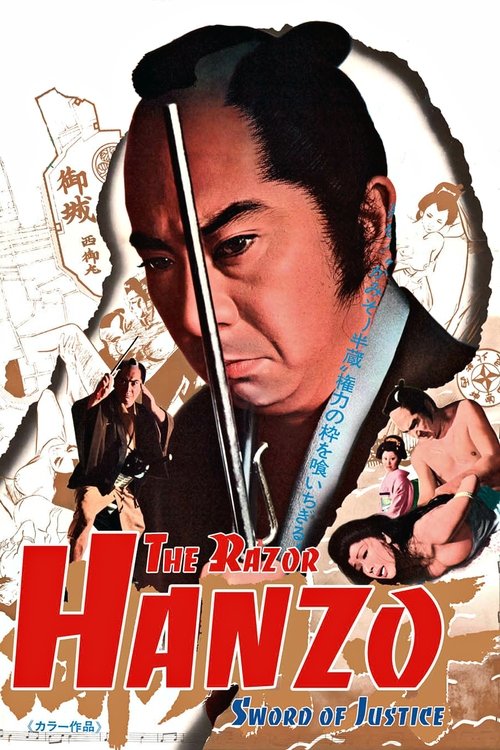
Hanzo the Razor: Sword of Justice
1972
No user ratings available yet
Diversity score: 2.4 out of 10
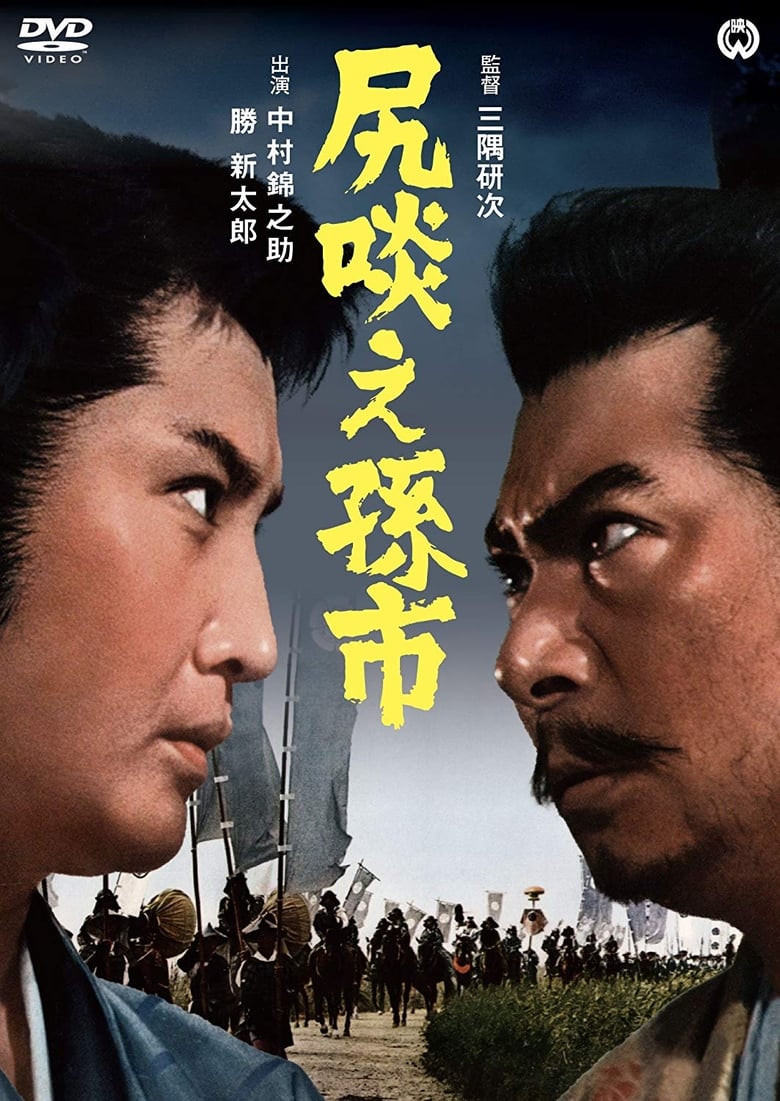
1969
Director
Kenji Misumi
Runtime
104 minutes
Average Rating
No ratings yetSynopsis
Lord Oda Nobunaga gains control of nearly all of Japan and tries to enlist the aid of Magoichi and his 3.000 gunners.
Overall Score
Limited
Category Breakdown
LGBTQ+ Representation
The film lacks any evidence of LGBTQ+ characters or narratives. It adheres to the traditional genre tropes common in 1960s Japanese period cinema.
Gender Representation
The story centers on male-dominated military hierarchies, specifically Oda Nobunaga and Magoichi. Plot drivers focus on masculine leadership and martial prowess rather than diverse gender perspectives.
Racial & Ethnic Diversity
The cast is inherently homogeneous, reflecting the historical reality of Sengoku-era Japan. The narrative functions within a specific cultural framework without utilizing non-Western metaphors.
Religious & Cultural Diversity
The film explores traditional dynamics of loyalty and warfare during Japan's unification. It focuses on historical power struggles rather than modern institutional or anti-capitalist critiques.
Disability Representation
There is no evidence of characters with visible or invisible disabilities. No such figures are portrayed with agency or as central to the narrative arc.
Strengths
Areas for Improvement
AI Analysis
The Magoichi Saga is a traditional historical action drama that prioritizes period-accurate power dynamics. The narrative architecture is built around the martial themes of the Sengoku era, focusing on the consolidation of state power and military strategy. Because the film operates within the strict conventions of the chanbara genre, it lacks modern intersectional subversion. The storytelling centers on historical conflict and the masculine hierarchies of feudal Japan rather than progressive social commentary. Ultimately, the film reflects the social structures of its time, emphasizing historical authenticity and genre excellence over the deconstruction of social hierarchies.
1972
1965
1965

1961
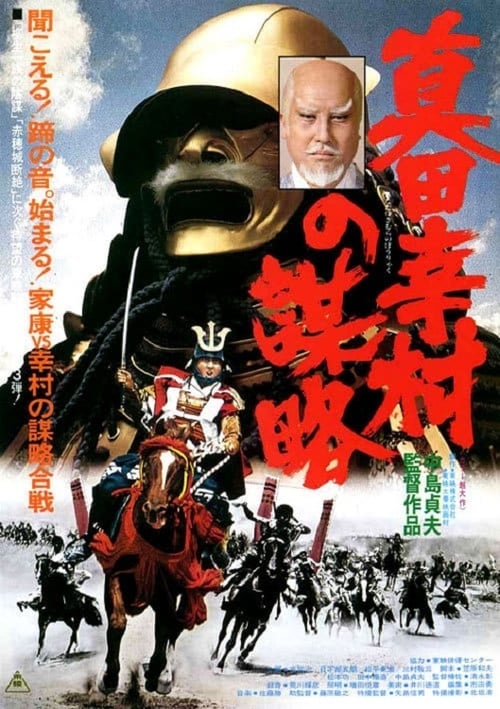
1979
2010

1972
1966
1965

1964
1994
2010
No reviews yet. Be the first to share your thoughts on this movie!
Use the rating form above to leave a star rating and optional review.