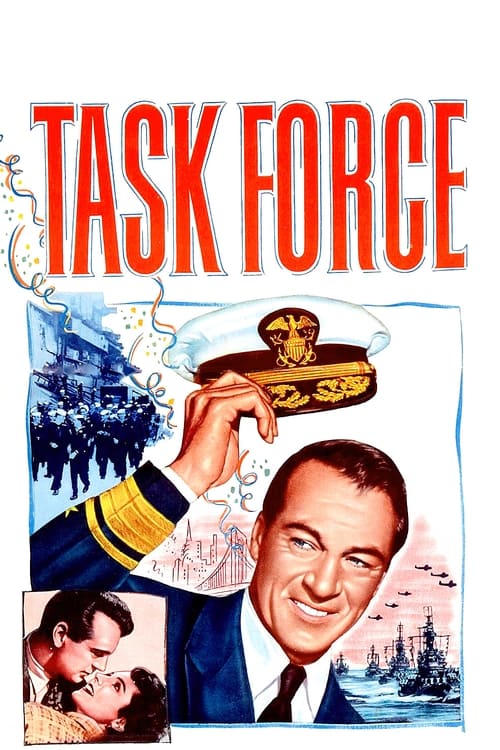
Task Force
1949
No user ratings available yet
Diversity score: 1.4 out of 10

1945
NRDirector
Delmer Daves
Runtime
119 minutes
Average Rating
No ratings yetSynopsis
Marine hero Al Schmid is blinded in battle and returns home to be rehabilitated. He readjusts to his civilian life with the help of his soon to be wife.
Overall Score
Limited
Category Breakdown
LGBTQ+ Representation
The film follows a strictly heteronormative structure. It focuses on the romantic bond between the protagonist and his fiancée to stabilize his rehabilitation.
Gender Representation
The narrative is heavily male-centric, emphasizing military leadership and masculine ideals. Female characters act primarily as emotional anchors rather than independent agents.
Racial & Ethnic Diversity
The cast is predominantly homogeneous, reflecting standard 1940s casting practices. There is a lack of significant minority representation or intersectional casting.
Religious & Cultural Diversity
The story reinforces patriotism and the necessity of military authority. It emphasizes collective sacrifice and the stability of Western institutions.
Disability Representation
The plot centers on the protagonist's blindness and his struggle to readjust. While he possesses agency, the disability serves mainly as an emotional catalyst.
Strengths
Areas for Improvement
AI Analysis
Pride of the Marines is a quintessential mid-century wartime drama that prioritizes traditionalist values and established social hierarchies. The film centers on the 'band of brothers' archetype, focusing on male duty, stoicism, and military discipline. While the film provides a central focus on physical disability through the protagonist's blindness, it does so through a heroic struggle lens common to the era. This focus on rehabilitation serves the emotional arc rather than exploring broader systemic barriers. Ultimately, the film functions as a reinforcement of 1940s cultural norms. It lacks the intersectional depth or diverse casting required to challenge the period's social, racial, or gendered expectations.
1949

1935
1946

1949

1953
1956

1955
1942

1941

1943

1944

1957
No reviews yet. Be the first to share your thoughts on this movie!
Use the rating form above to leave a star rating and optional review.