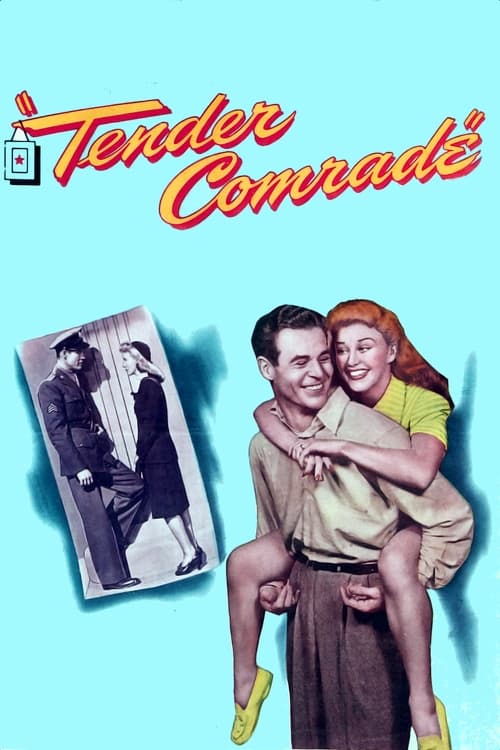
Tender Comrade
1944
No user ratings available yet
Diversity score: 4.4 out of 10
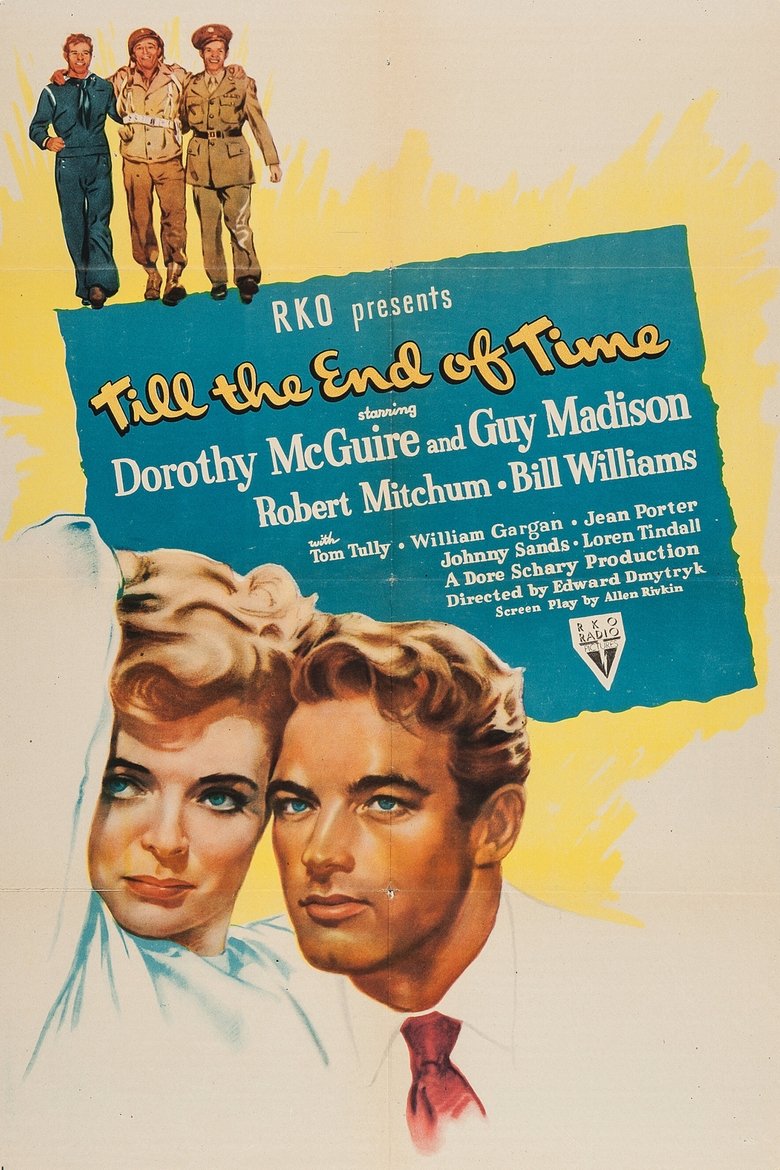
1946
NRDirector
Edward Dmytryk
Runtime
105 minutes
Average Rating
No ratings yetSynopsis
Three former marines have a hard time readjusting to civilian life. Perry can't deal with the loss of the use of his legs. William is in trouble with bad debts. And Cliff can't decide what he wants to do with his life, although he gets encouragement from war widow Pat Ruscomb.
Overall Score
Limited
Category Breakdown
LGBTQ+ Representation
The film adheres to 1940s heteronormative structures. There is no evidence of non-cisnormative identities or same-sex intimacy, as romantic arcs center on traditional male-female dynamics.
Gender Representation
Female characters possess emotional complexity and agency within volatile relationships. However, the film does not actively subvert traditional hierarchies or critique systemic gender roles.
Racial & Ethnic Diversity
The cast and setting are predominantly white and Anglo-Saxon. The narrative lacks characters of color in positions of agency, reflecting the homogeneous social landscape of the era.
Religious & Cultural Diversity
The story offers a noir-typical cynicism toward the American Dream. It portrays the struggle of reintegrating into a stable society as a fraught and often failing process.
Disability Representation
Perry’s loss of leg function serves as a focal point for the narrative. The film uses his disability to drive character pathos and psychological struggle.
Strengths
Areas for Improvement
AI Analysis
Till the End of Time is a psychological drama rooted in the post-war noir tradition. It focuses on the individualistic struggles of three veterans attempting to navigate civilian life, prioritizing personal instability over social critique. The film lacks intentional intersectional representation. While it explores the psychological toll of war and disability, it remains firmly within the conventional social orders and homogeneous casting standards of 1946. Ultimately, the narrative functions as a study of personal friction rather than a subversion of systemic hierarchies, resulting in a low diversity score.
1944
1935
1949
1945
1953
1957
1956
1955

1959
1949
1957
1945
No reviews yet. Be the first to share your thoughts on this movie!
Use the rating form above to leave a star rating and optional review.