A Time to Love and a Time to Die
1958
No user ratings available yet
Representation score: 3.7 out of 10
Representation Score
Limited
1949
NRDirector
Vincent Sherman
Runtime
102 minutes
Average Rating
No ratings yetNew Showbiz Analysis
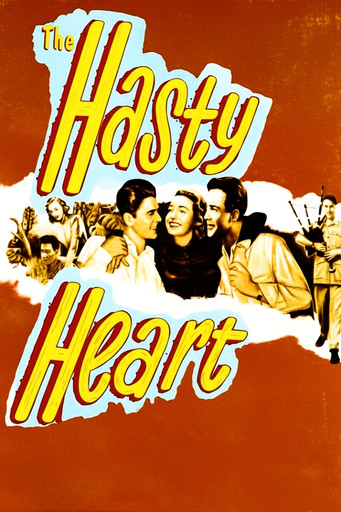
The Hasty Heart is a traditional wartime drama that centers on personal emotions within a conventional social structure. It reflects mid-20th-century standards by emphasizing institutional hierarchies. While the film explores themes of mortality and vulnerability effectively, it lacks diversity in its casting and social perspectives. The narrative remains focused on a homogeneous, Anglo-centric military experience. The film does not challenge contemporary expectations about gender, race, or authority, reflecting its historical context.
Category Breakdown
The film focuses on heterosexual relationships and does not include characters with non-binary genders or same-sex relationships.
The story reinforces traditional gender roles from the mid-20th century, where men hold positions of authority and women are mainly caregivers in medical settings.
The cast is predominantly white and British, with no significant representation of diverse racial backgrounds or local perspectives.
The film highlights Western values such as duty and camaraderie among soldiers, focusing on the bonds formed within the military rather than critiquing the institution itself.
The main character's terminal illness drives the emotional core of the film, but the narrative focuses on the emotional impact rather than the character's actions.
Present on Screen
Limited or Absent
Official Synopsis
In the final days of World War II, in a MASH unit in Burma, a severely wounded corporal watches in dismay as fellow soldiers pack-up to return home but a caring nurse and five remaining soldiers bring him solace.
1958
1959
1953
1956
1957
1946
1943
1940
No reviews yet. Be the first to share your thoughts on this movie!
Use the rating form above to leave a star rating and optional review.