
A Farewell to Arms
1957
No user ratings available yet
Representation score: 2.4 out of 10
Representation Score
Limited
1953
NRDirector
Richard Brooks
Runtime
90 minutes
Average Rating
No ratings yetNew Showbiz Analysis
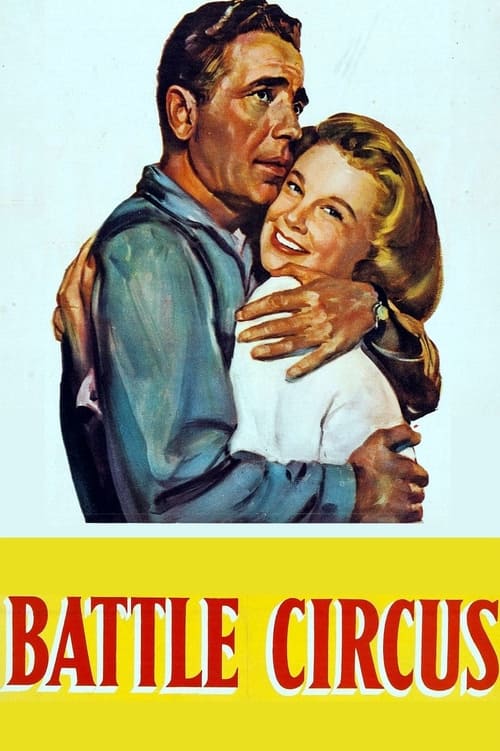
Battle Circus is a mid-century character study that prioritizes traditional interpersonal dynamics over systemic critique. While the female lead possesses professional competence, the narrative remains anchored in conventional social hierarchies. The film's structure relies heavily on straight-centered romantic clichés and the emotional stabilization of a male lead. This limits the depth of its gender and identity representation. Ultimately, the work functions as a drama of individual resilience within established military frameworks, lacking the multi-layered complexity found in more progressive cinema.
Category Breakdown
The film follows a strictly straight-centered trajectory. The central tension revolves around the romantic and sexual relationship between the two main characters, offering no presence of diverse sexual or gender identities.
Lt. McGara displays professional autonomy and resists her superior's advances. However, the plot ultimately centers on her emotional labor to stabilize a male protagonist, reinforcing traditional gender roles.
The production reflects the homogeneous casting standards of 1950s Hollywood. The narrative focuses on a Western-centric military unit without evidence of diverse racial or ethnic representation.
The story explores individual morality amidst the chaos of the Korean War. It focuses on personal upliftment and traditional virtues rather than critiquing Western institutions or social orders.
Physical trauma and injury are present due to the MASH setting. These elements serve primarily as narrative catalysts for the romance rather than providing nuanced character exploration.
Present on Screen
Limited or Absent
Official Synopsis
A young Army nurse, Lt Ruth McGara, newly assigned to the 8666th MASH during the Korean War, attracts the sexual attention of the unit's commander Dr. Jed Webbe. Major Webbe, who has a drinking problem, at first wants a "no strings" relationship. McGara is warned by the other nurses of Webbe's womanizing ways. Despite these initial handicaps, their love flourishes against a background of war, enemy attacks, death and injury. The relationship deepens and uplifts both characters.
1957

1959

1955

1957

1958
1957

1958

1953
No reviews yet. Be the first to share your thoughts on this movie!
Use the rating form above to leave a star rating and optional review.