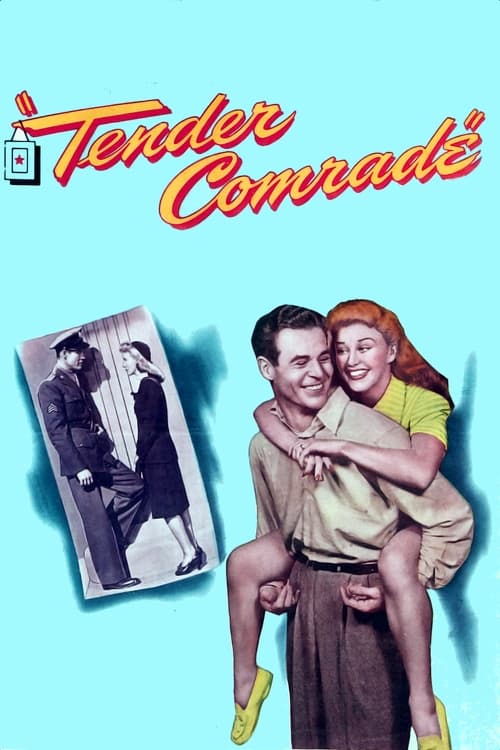
Tender Comrade
1944
No user ratings available yet
Representation score: 3.7 out of 10

Representation Score
Minimal
1944
NRDirector
John Cromwell
Runtime
177 minutes
Average Rating
No ratings yetNew Showbiz Analysis
Since You Went Away upholds traditional social structures and gender roles of the mid-20th century. Its narrative focuses on preserving the nuclear family during wartime. The film lacks diverse representation, including LGBTQ+ identities, racial and ethnic diversity, and disabilities. It offers a narrow, homogenous view of American life as seen through the lens of 1944 Hollywood. While the film effectively conveys the emotional impact of the home front, it does so by emphasizing conventional morality and gender roles.
Category Breakdown
The film does not include any LGBTQ+ characters or explore non-straight relationships. It adheres strictly to the gender norms of the 1940s.
Female characters show strength in managing the household, but their role is seen as a temporary solution. The story emphasizes male leadership.
The film portrays a white, middle-class family in a Midwestern setting. It lacks diversity, focusing on a narrow American experience.
The movie highlights traditional Western values, patriotism, and the importance of family. It promotes a single moral code centered on duty to the country.
The film does not feature any characters with physical, sensory, or neurodivergent disabilities. Characters are shown as having typical abilities.
Present on Screen
Limited or Absent
Official Synopsis
In 1943, several people enter, re-enter, and exit the difficult life of a Midwestern family whose patriarch has been called up to war, leaving behind his wife and two teen daughters.
1944
1958

1944

1955
2001

1957
1944

1942
No reviews yet. Be the first to share your thoughts on this movie!
Use the rating form above to leave a star rating and optional review.