Pride of the Marines
1945
No user ratings available yet
Representation score: 1.6 out of 10
Representation Score
Limited
1935
NRDirector
Christy Cabanne
Runtime
75 minutes
Average Rating
No ratings yetNew Showbiz Analysis
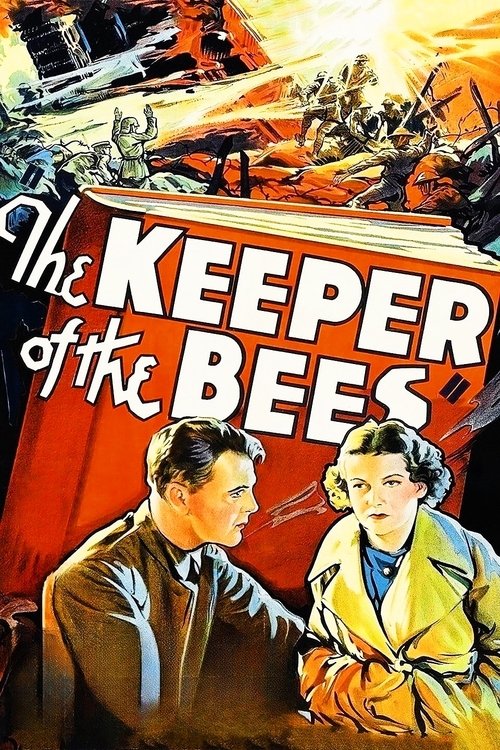
The film is a product of its time, reinforcing conventional social and gender roles. It centers around male-driven mentorship and the social norms of the 1930s. While it touches on psychological trauma, it does so through a traditional recovery lens rather than a modern exploration of mental health. The lack of diverse representation or multi-layered complexity keeps the diversity profile low.
Category Breakdown
The film doesn't include any characters with non-straight or non-cisgender identities. It follows the traditional romantic and social norms of 1930s dramas.
The story focuses on male-driven mentorship and emotional vulnerability among men. However, it doesn't challenge traditional gender roles much.
The film likely reflects the limited diversity of 1930s Hollywood, showing a predominantly white cast. There's no representation of non-white cultures.
The story emphasizes traditional Western values like community and resilience. It doesn't challenge established cultural norms or promote anti-traditional ideas.
The protagonist's psychological trauma is explored through the lens of a traumatized veteran. However, the film uses traditional recovery clichés rather than modern approaches to mental health.
Present on Screen
Limited or Absent
Official Synopsis
A severely traumatized World War I veteran, believing that he's living on borrowed time, comes upon a peaceful little village and meets an old man called Bee Master and his protégé, Little Scout, who try to convince him that he has more to live for than he thinks he does.
1945

1959
1929
1940
1931
1957
2001
1946
No reviews yet. Be the first to share your thoughts on this movie!
Use the rating form above to leave a star rating and optional review.