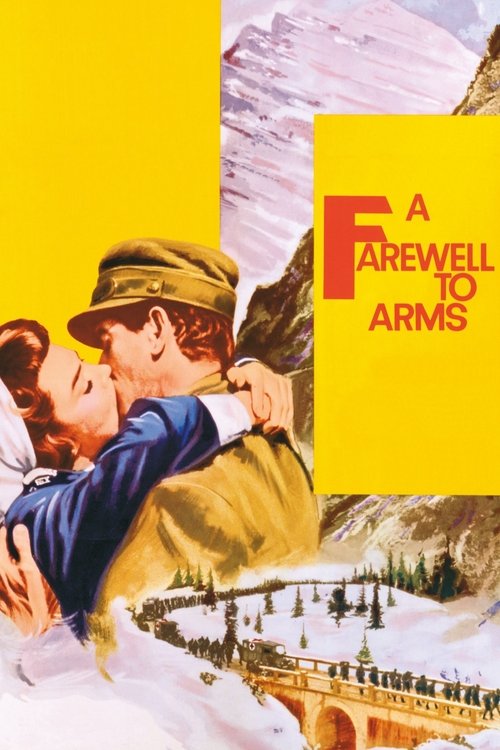
A Farewell to Arms
1957
No user ratings available yet
Diversity score: 2.3 out of 10

1941
NRDirector
Brian Desmond Hurst
Runtime
94 minutes
Average Rating
No ratings yetSynopsis
Stefan Radetzky, a Polish pilot and famous concert pianist, is hospitalised in England from injuries sustained while in combat, and having lost his memory. As Radetzky plays the piano in a trance-like state, the story moves back in time to war-torn Warsaw. During an air-raid, Radetzky meets American journalist Carole, and there is a mutual attraction. Following the fall of Poland, Radetzky and Irish pilot, Mike, escape to Rumania and then on to America. Radetzky continues his musical career in America and meets up again with Carole.
Overall Score
Limited
Category Breakdown
LGBTQ+ Representation
The film follows a traditional romantic trajectory centered on the heteronormative bond between Stefan Radetzky and Carole. No non-cisnormative identities are present.
Gender Representation
Carole is depicted as an active American journalist, yet the narrative remains anchored in the male protagonist's experiences. Power dynamics reflect the era's traditional gender hierarchies.
Racial & Ethnic Diversity
The transnational setting provides geographic scope, but the cast remains predominantly white. While the Polish protagonist adds ethnic specificity, there is no significant non-white representation.
Religious & Cultural Diversity
The story explores displacement and friction between Polish, American, and British identities. However, it functions within a traditional Western dramatic structure without systemic critique.
Disability Representation
Amnesia and combat injuries drive the plot, but they function as melodrama tropes. The film lacks a nuanced exploration of lived experience with disability.
Strengths
Areas for Improvement
AI Analysis
Dangerous Moonlight is a high-stakes romantic drama that prioritizes individual emotional arcs over the deconstruction of social hierarchies. While the film successfully creates a transnational atmosphere by moving between Poland, England, and America, it remains a product of its 1940s historical context. The narrative relies heavily on mid-century tropes, particularly regarding disability and gender. While the protagonist's amnesia is central to the plot, it serves more as a device for romantic tension than a deep character study. Similarly, female agency is often secondary to the male lead's journey. Ultimately, the film reflects the standard cinematic language of its era. It focuses on personal resilience and wartime tragedy rather than challenging the systemic complexities of identity or race.
1957
1935
1942
1949

1943

1942
1931
1933
1945
1956
1942
1945
No reviews yet. Be the first to share your thoughts on this movie!
Use the rating form above to leave a star rating and optional review.