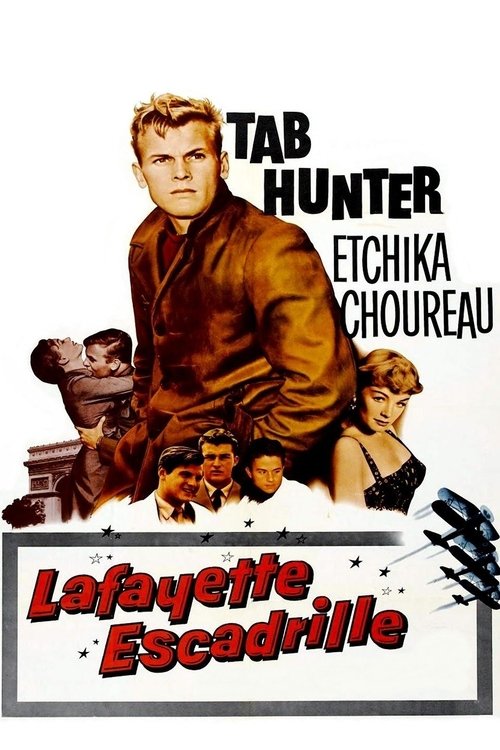
Lafayette Escadrille
1958
No user ratings available yet
Representation score: 0.5 out of 10

Representation Score
Limited
1957
NRDirector
Charles Vidor
Runtime
152 minutes
Average Rating
No ratings yetNew Showbiz Analysis
A Farewell to Arms (1957) operates as a classic Hollywood melodrama, emphasizing traditional romantic clichés and a homogeneous cast reflective of its time. The narrative structure supports established social hierarchies without challenging them. The film lacks multi-layered complexity, focusing on individual tragedy within a conventional framework. Its critique of war's senselessness is conveyed through personal fatalism rather than broader socio-political commentary.
Category Breakdown
The film adheres to a strictly heterosexual storyline, focusing solely on the romantic relationship between the male and female leads without any hints of LGBTQ themes.
Catherine Barkley is portrayed primarily through her caregiving role and emotional connection to the male lead. The film upholds traditional gender roles and lacks substantial narrative ability to act for female characters.
The casting is predominantly white and European, with no characters of color holding prominent or influential roles during the wartime period.
The story critiques the futility of war through a lens of romantic tragedy and fatalism, avoiding religious dogma in favor of a secular, nihilistic perspective.
Physical and mental health issues are presented merely as consequences of war, with characters with disabilities serving mainly as plot devices rather than individuals with their own choices.
Present on Screen
Limited or Absent
Official Synopsis
An English nurse and an American soldier on the Italian front during World War I fall in love, but the horrors surrounding them test their romance to the limit.
1958

1932

1958

1957

1959

1959

1958
1958
No reviews yet. Be the first to share your thoughts on this movie!
Use the rating form above to leave a star rating and optional review.