
The Land Girls
1998
No user ratings available yet
Diversity score: 3.9 out of 10
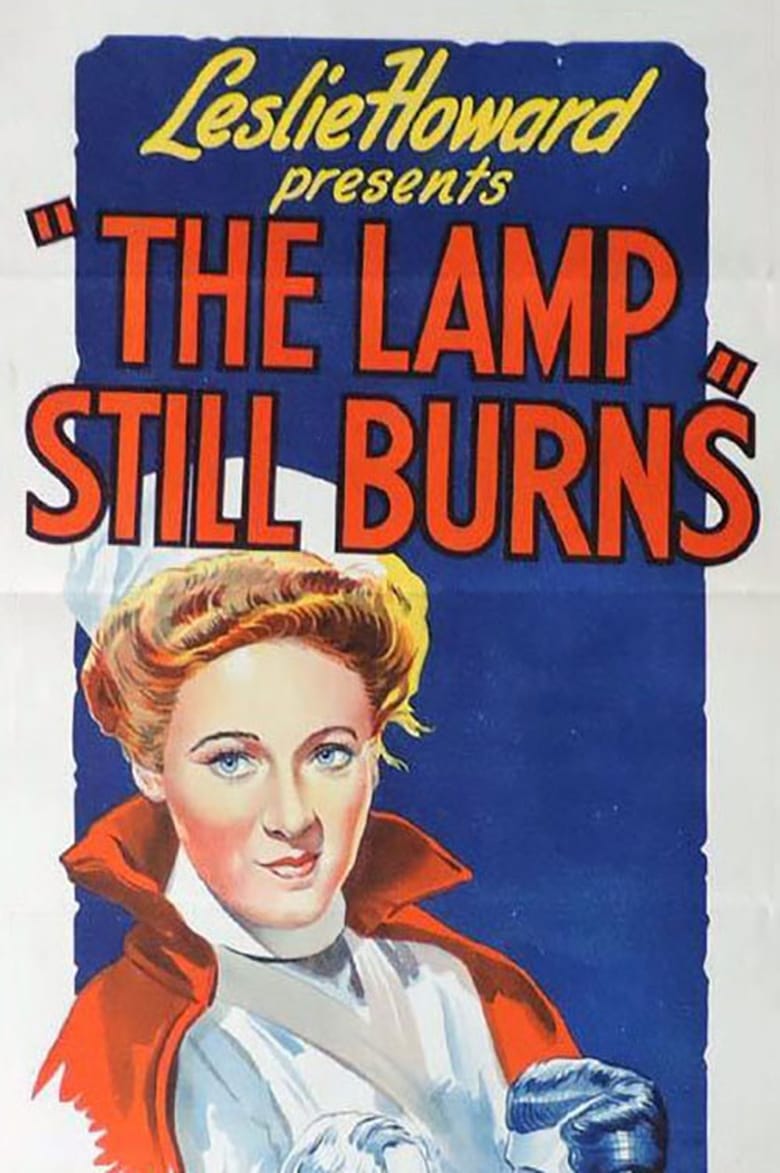
1943
Director
Maurice Elvey
Runtime
90 minutes
Average Rating
No ratings yetSynopsis
A tribute to the important work of female nurses during World War II.
Overall Score
Limited
Category Breakdown
LGBTQ+ Representation
The film focuses on wartime service and romantic drama. There is no evidence of non-heteronormative identities or critiques of heteronormativity within the narrative.
Gender Representation
The film elevates women from passive domestic figures to essential contributors. By centering on the professional competence of female nurses, it highlights female agency and strength.
Racial & Ethnic Diversity
The narrative lacks evidence of a non-Anglo-Saxon majority cast. It reflects the era's tendency to center homogeneous white populations during wartime tributes.
Religious & Cultural Diversity
The story aligns with traditional Western values of patriotism and duty. It reinforces national identity and social cohesion rather than critiquing institutional structures.
Disability Representation
Physical injury often serves as a narrative device for emotional stakes in this genre. It remains unclear if injured characters possess agency or function merely as plot catalysts.
Strengths
Areas for Improvement
AI Analysis
The film serves as a historical tribute to female nurses, offering a meaningful depiction of professional agency during World War II. It successfully challenges domestic hierarchies by centering women in high-stakes, essential roles. However, the work is deeply anchored in the social and racial constraints of 1943. It lacks intersectional depth, focusing instead on a traditionalist, patriotic framework that reinforces existing hierarchies. Ultimately, the film functions more as a document of gendered wartime mobilization than a vehicle for systemic subversion.
1998

1988

1942

1953

2015

1957

1949

1957

1956

1942

1945

1934
No reviews yet. Be the first to share your thoughts on this movie!
Use the rating form above to leave a star rating and optional review.