
Remember the Day
1941
No user ratings available yet
Representation score: 0.4 out of 10
Representation Score
Minimal
1956
NRDirector
Henry Koster
Runtime
106 minutes
Average Rating
No ratings yetNew Showbiz Analysis
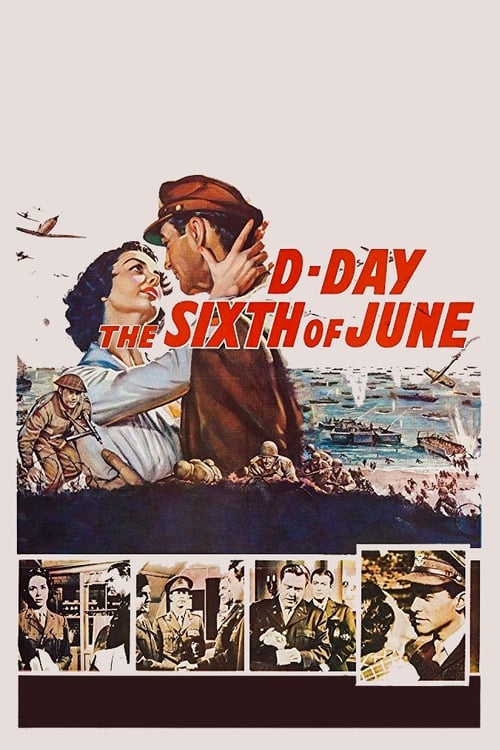
D-Day the Sixth of June is a traditional mid-century war drama that emphasizes conventional masculine experiences. The plot revolves around the shared romantic history and camaraderie of two male officers, using a sentimental structure common to the studio era. The film operates within established social frameworks, focusing on romantic rivalry and wartime duty. It does not challenge systemic hierarchies or introduce perspectives that reflect multiple aspects of identity, sticking to the period's standard demographic and narrative norms. Ultimately, the work functions as a character study rooted in traditional clichés, where the emotional stakes are driven by a male-centric perspective on romance and memory.
Category Breakdown
The film focuses on the romantic interests of two men towards a single woman, reinforcing traditional heterosexual relationships.
Female characters primarily serve as emotional anchors for the male protagonists, highlighting their roles as catalysts rather than independent agents.
The film reflects the era's homogeneous military representation, lacking diverse racial or ethnic perspectives.
The story upholds traditional mid-century values of duty and wartime unity, celebrating conventional romantic bonds and institutional stability.
The film does not address characters dealing with physical or neurodivergent conditions.
Present on Screen
Limited or Absent
Official Synopsis
En route to Normandy, an American and a British officer reminisce in flashback about their romances with the same woman.
1941
1958

1952
1940
1959

1932
1991

1970
No reviews yet. Be the first to share your thoughts on this movie!
Use the rating form above to leave a star rating and optional review.