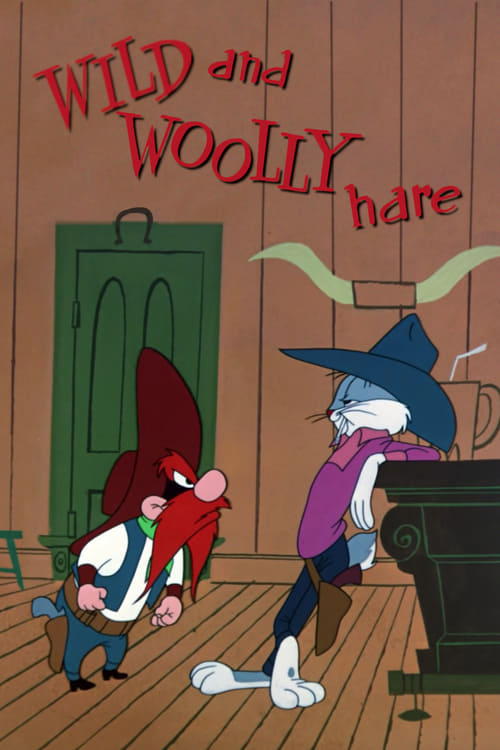
Wild and Woolly Hare
1959
No user ratings available yet
Diversity score: 2.4 out of 10
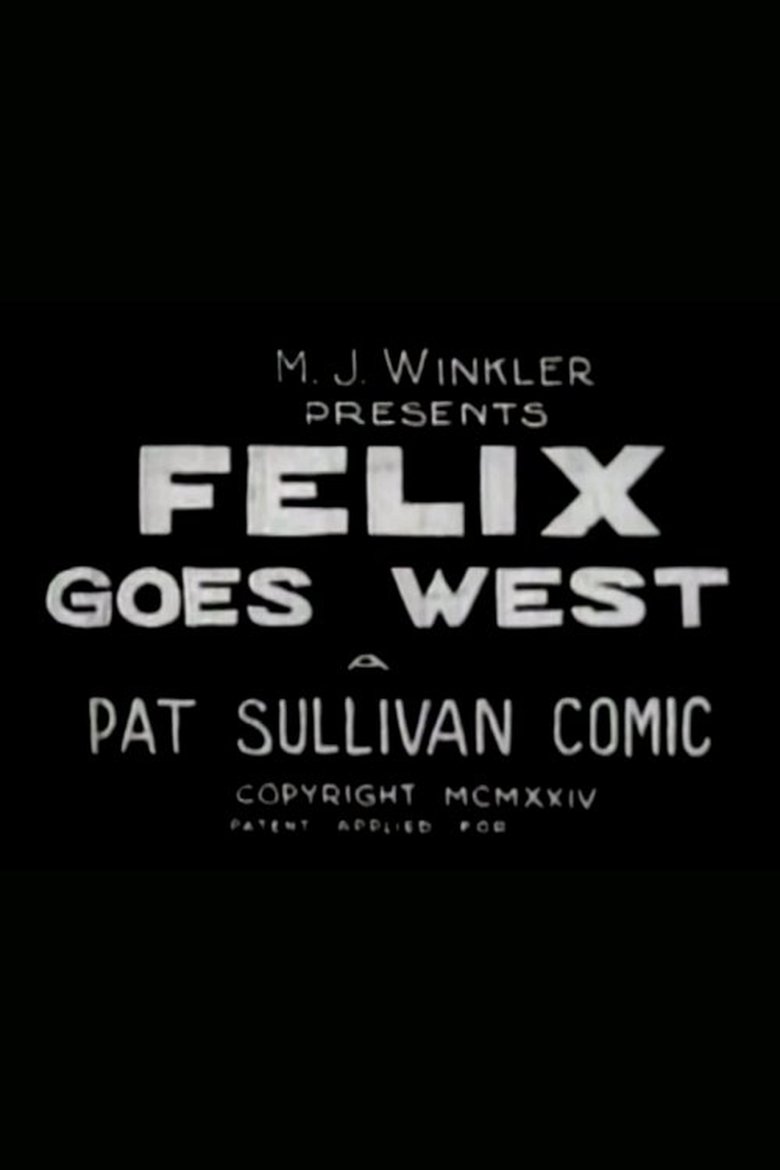
1924
PassedDirector
Otto Messmer
Runtime
10 minutes
Average Rating
No ratings yetSynopsis
Felix gets into trouble with a tribe of Indians out west, and is chased by a bear.
Overall Score
Limited
Category Breakdown
LGBTQ+ Representation
The film lacks any evidence of LGBTQ+ characters or non-heteronormative narratives. It adheres to the standard comedic tropes of the silent era.
Gender Representation
The narrative centers on a singular male protagonist in a traditional adventure format. There is no indication of female characters with significant agency or subversion of gender hierarchies.
Racial & Ethnic Diversity
Felix's interactions with a tribe of Indians appear to rely on reductive caricatures common to the 1924 Western genre. These characters function primarily as obstacles rather than nuanced individuals.
Religious & Cultural Diversity
The film operates within the conventional cultural frameworks of early 20th-century American media. It utilizes standard frontier mythology without challenging traditional Western expansionist themes.
Disability Representation
There is no documented evidence of characters with visible or invisible disabilities in this work.
Strengths
Areas for Improvement
AI Analysis
Felix Goes West is a product of its time, reflecting the traditionalist and often stereotypical narrative conventions of the early 1920s. The film prioritizes slapstick and physical comedy over modern sociopolitical depth, resulting in a narrow focus on a single male protagonist. Representation is limited by the era's reliance on archetypes. The Western setting and the depiction of Indigenous people follow established tropes that lack agency or nuance, serving instead to facilitate a standard chase narrative. Ultimately, the film functions within the historical status quo. It lacks the intentionality needed to disrupt the racial and gender hierarchies prevalent in silent-era animation.
1959
1952
1930
1971
1945
1932
1954
1951
1942
1941
1937
1945
No reviews yet. Be the first to share your thoughts on this movie!
Use the rating form above to leave a star rating and optional review.