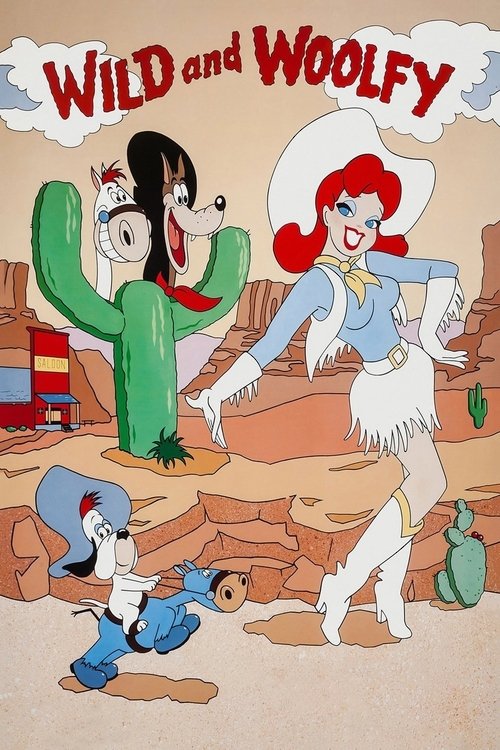
Wild and Woolfy
1945
No user ratings available yet
Diversity score: 2.7 out of 10
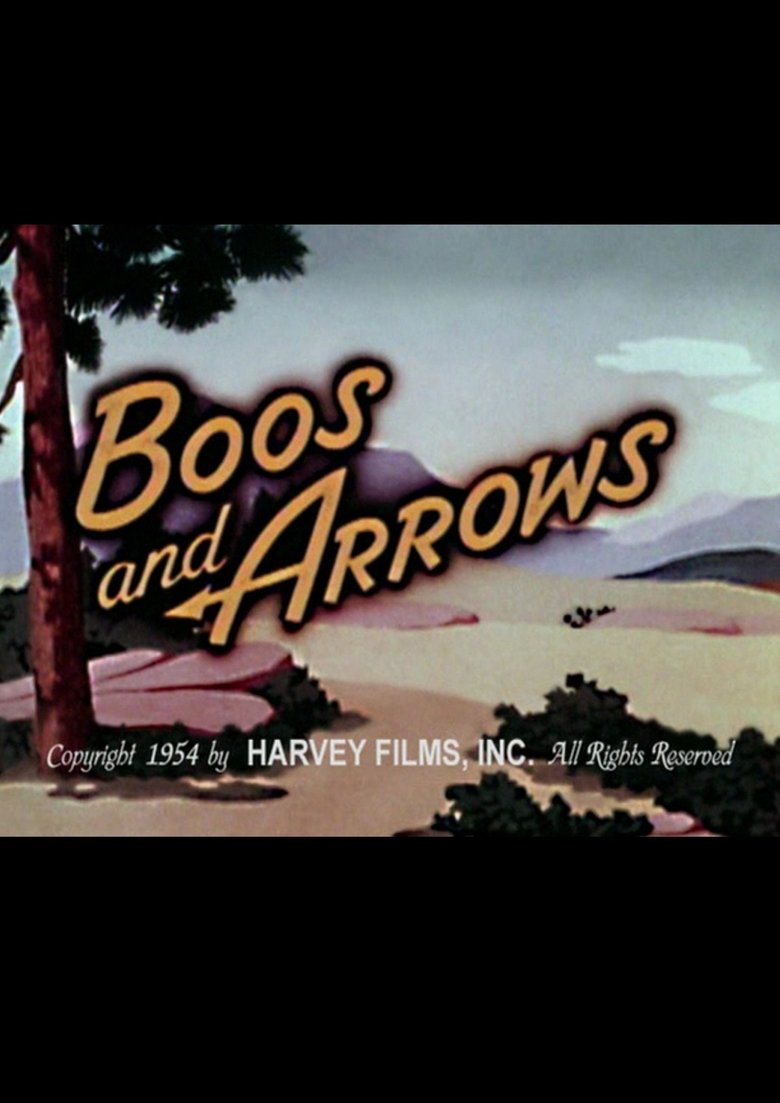
1954
ApprovedDirector
Seymour Kneitel
Runtime
6 minutes
Average Rating
No ratings yetSynopsis
Casper the Friendly Ghost helps Little Feather go hunting.
Overall Score
Minimal
Category Breakdown
LGBTQ+ Representation
The film contains no depiction of non-heteronormative identities. It focuses strictly on traditional character dynamics typical of 1950s animation.
Gender Representation
The narrative centers on traditional gendered activities like hunting and exploration. Characters function within established mid-century archetypes without subverting gender hierarchies.
Racial & Ethnic Diversity
The character Little Feather suggests an Indigenous presence, but the portrayal relies on reductive cultural tropes. There is no evidence of nuanced agency or intersectional depth.
Religious & Cultural Diversity
The film adheres to traditional Western storytelling conventions for lighthearted escapism. It lacks anti-institutional or secularist themes, reinforcing the era's status quo.
Disability Representation
There is no evidence of characters with visible or invisible disabilities. No such characters are portrayed with agency or as central to the story.
Strengths
Areas for Improvement
AI Analysis
Boos and Arrows is a product of its temporal context, functioning as a traditional comedic short. The narrative architecture does not challenge established social hierarchies or prioritize identity-driven storytelling. The film maintains a conventional approach to character and culture, reflecting the limited representational scope of mid-century studio animation. It prioritizes slapstick and broad archetypes over complex sociopolitical commentary. Ultimately, the work serves as a standard example of 1950s animation, adhering to the studio-driven structures of the era.
1945
1959
1932
1941
1945

1951
1951
1971
1952
1924
1937
1949
No reviews yet. Be the first to share your thoughts on this movie!
Use the rating form above to leave a star rating and optional review.