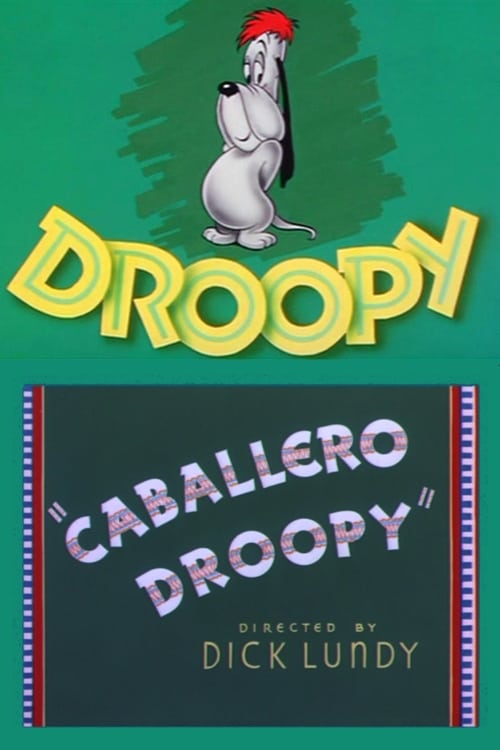
Caballero Droopy
1952
No user ratings available yet
Representation score: 0.6 out of 10
Representation Score
Minimal
1945
ApprovedDirector
Tex Avery
Runtime
8 minutes
Average Rating
No ratings yetNew Showbiz Analysis
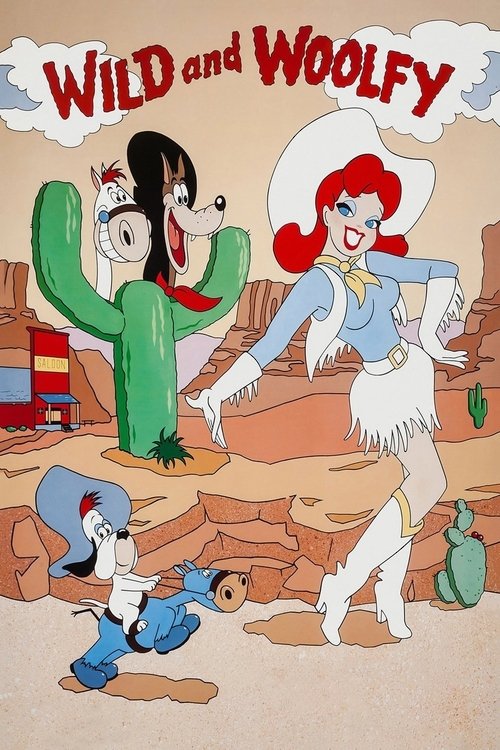
Wild and Woolfy is a product of its 1945 production context, relying heavily on established Western genre conventions. The narrative centers on a chase between Droopy and an outlaw, using character archetypes that emphasize traditional power dynamics. While Tex Avery's direction often disrupts narrative expectations through surrealism, the fundamental character roles remain conventional. Female characters are primarily defined by their appearance and vulnerability, and the setting reflects the era's standard social hierarchies. Overall, the film operates as a classic cartoon conflict that lacks significant diversity or modern social complexity, adhering to the mid-century status quo.
Category Breakdown
The film does not include any characters with non-binary gender identities. The character interactions follow traditional gender roles typical of the time period.
Lou is portrayed as a 'sexy female singer' whose main role is being kidnapped. This reinforces mid-century stereotypes where women's roles are secondary to male-driven plots.
The Western setting suggests a reliance on the homogeneous casting standards of the 1940s. There is no indication of diverse ethnic representation or challenging racial stereotypes.
The narrative is grounded in traditional Western social structures and frontier justice. While Avery's style is exaggerated, the core premise stays within conventional genre boundaries.
There is no information about the portrayal of physical or neurodivergent disabilities in this short film.
Present on Screen
Limited or Absent
Official Synopsis
Droopy chases the wolf, a dangerous outlaw, after he kidnaps Lou, a sexy female singer, from the saloon.
1952
1948
1945
1938
1945
1939
1959
1952
No reviews yet. Be the first to share your thoughts on this movie!
Use the rating form above to leave a star rating and optional review.