Felix Goes West
1924
No user ratings available yet
Diversity score: 2.3 out of 10
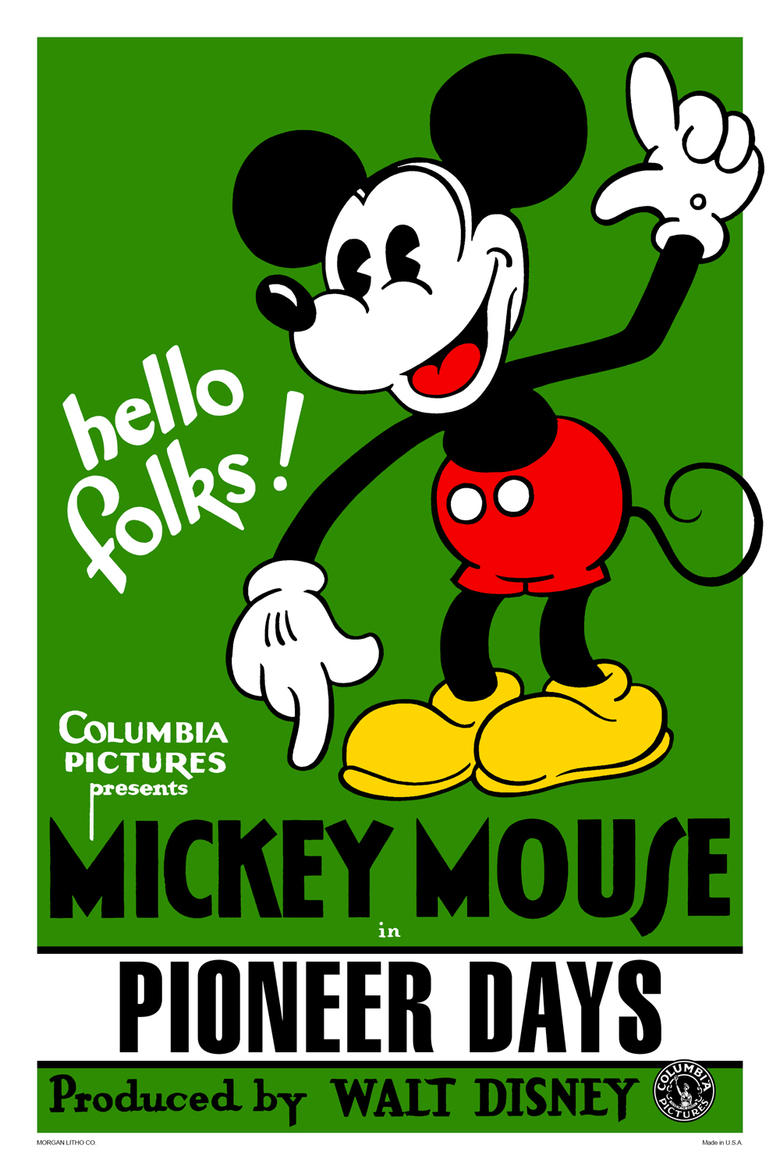
1930
ApprovedDirector
Burt Gillett
Runtime
8 minutes
Average Rating
No ratings yetSynopsis
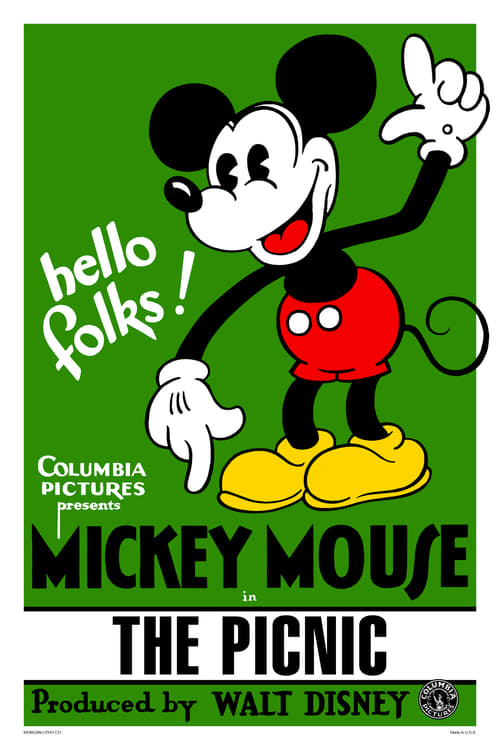
Mickey and Minnie are on a wagon train; they camp for the night, unaware that Indians have spotted them and are doing a war dance. The attack comes, and Minnie is captured.
Overall Score
Minimal
Category Breakdown
LGBTQ+ Representation
The story centers on the established romantic pairing of Mickey and Minnie Mouse. This relationship adheres to the traditional heteronormative structures common to the 1930s.
Gender Representation
Minnie Mouse is cast in the classic 'damsel in distress' role after being captured. Mickey Mouse serves as the primary protagonist, reinforcing conventional masculine roles of protector and adventurer.
Racial & Ethnic Diversity
The film relies on reductive cultural tropes, depicting Indigenous characters through a 'war dance' and an impending attack. These characters lack agency and serve primarily as an external threat.
Religious & Cultural Diversity
The narrative reinforces the traditional Western frontier mythos and the 'pioneer' spirit. It presents a binary conflict between settlers and Indigenous groups without exploring moral complexity.
Disability Representation
The available synopsis contains no mention of characters with visible or invisible disabilities.
Strengths
Areas for Improvement
AI Analysis
Pioneer Days is a product of its era, functioning within the restrictive social and cinematic frameworks of 1930. The narrative architecture relies heavily on traditional gender hierarchies and utilizes reductive ethnic tropes to drive the plot. While the film features the iconic Mickey and Minnie Mouse, it does so through a lens of conventionality. The characters occupy rigid archetypes that reflect the prevailing studio norms of the early sound era rather than offering any subversion of social hierarchies. Ultimately, the film lacks intersectional complexity. It prioritizes established Western archetypes and the mythos of the frontier over nuanced or diverse character development.
1924
1945
1937
1951
1941
1945

1933
1930
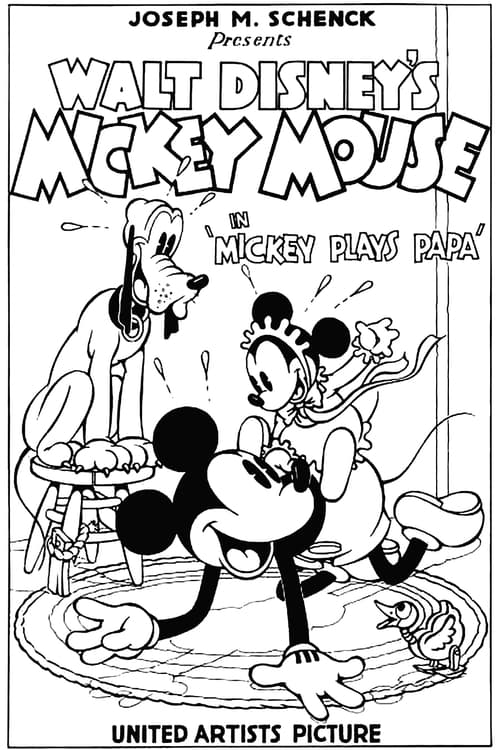
1934
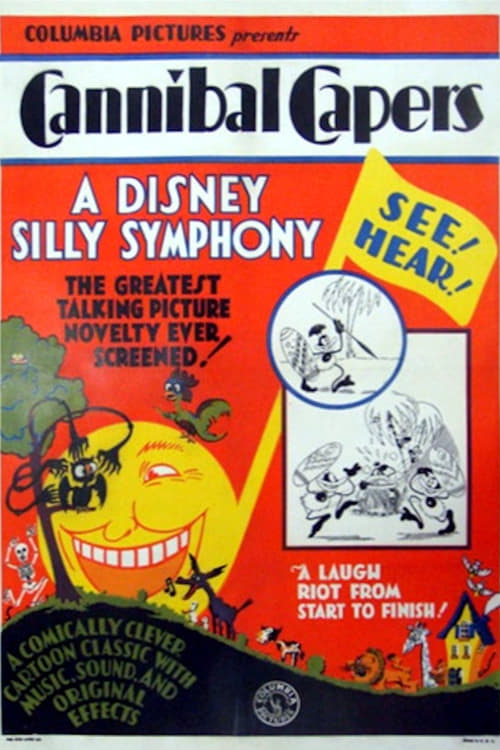
1930
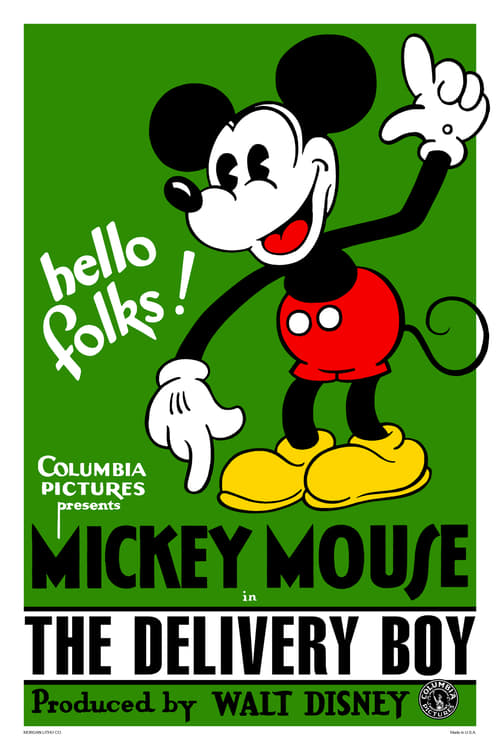
1931
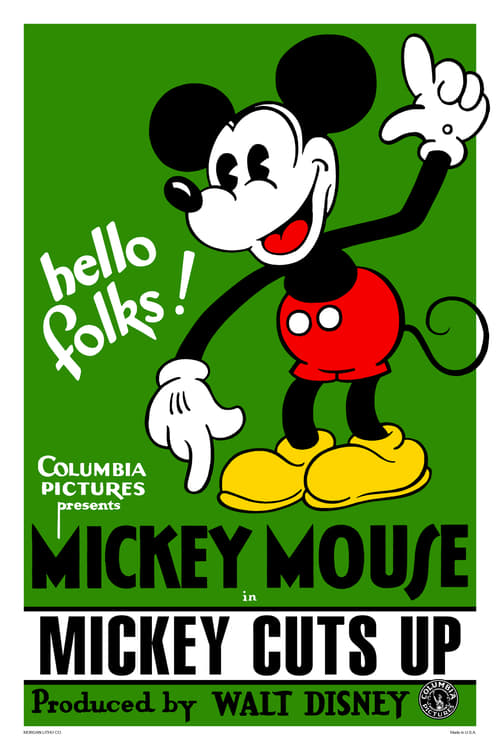
1931
No reviews yet. Be the first to share your thoughts on this movie!
Use the rating form above to leave a star rating and optional review.