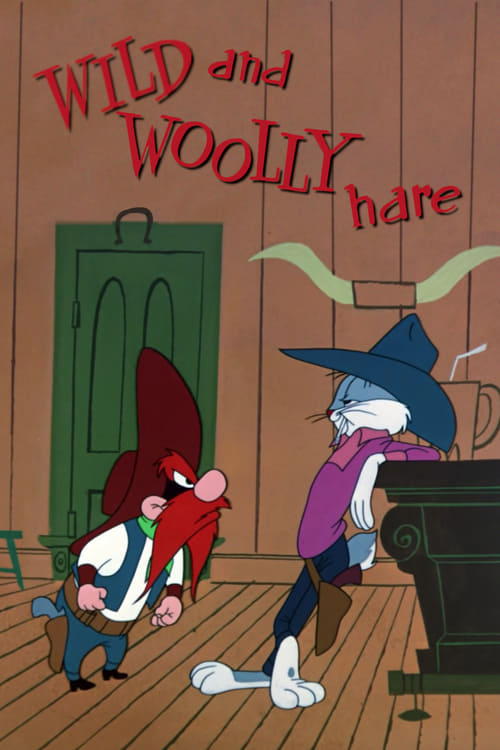
Wild and Woolly Hare
1959
No user ratings available yet
Diversity score: 2.4 out of 10
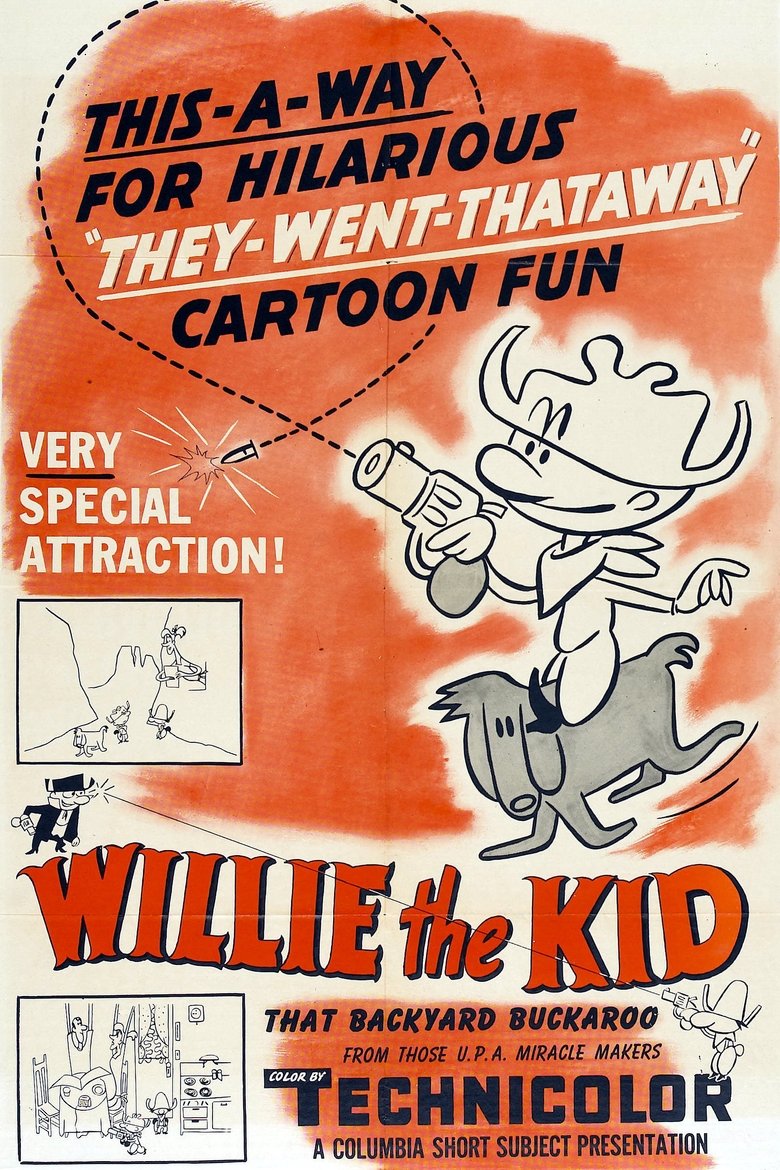
1952
ApprovedDirector
Robert Cannon
Runtime
7 minutes
Average Rating
No ratings yetSynopsis
Little Willie's large imagination turns his family-home in the suburbs into the old Wild WEst when he puts on his cowboy suit, guns, holsters and hat, and goes out to play with his friend Archie.(No, this is not Archie Andrews.) The two boys have some desperate adventures, until Willie's mom calls him in to take his afternoon nap.
Overall Score
Limited
Category Breakdown
LGBTQ+ Representation
The film focuses on the domestic life of a young boy and his playmate. It operates within traditional heteronormative frameworks and lacks depictions of non-cisnormative identities.
Gender Representation
The story centers on male protagonists engaging in masculine cowboy play. Female presence is limited to a maternal figure defined by domesticity and enforcing traditional structures.
Racial & Ethnic Diversity
Set in a suburban environment using a Wild West theme, the film reflects a homogeneous social landscape. There is no indication of racial blending or diverse casting.
Religious & Cultural Diversity
The narrative celebrates the nuclear family and traditional Western domesticity. It presents a sanitized, idealized view of mid-century American life without engaging in cultural critique.
Disability Representation
The characters appear to function within the standard parameters of able-bodied childhood play. No visible or invisible disabilities are portrayed in the narrative.
Strengths
Areas for Improvement
AI Analysis
Willie the Kid is a quintessential product of the 1952 MGM studio system, prioritizing broad, conventional appeal over social subversion. The film functions as a period piece that reinforces the status quo of mid-century American life. Narratively, the film relies on established archetypes. The focus remains on the domestic stability of the nuclear family and the reinforcement of traditional gender hierarchies through masculine play and maternal domesticity. Ultimately, the work lacks engagement with diverse identities or social critiques, instead presenting a sanitized version of suburban existence and traditional Western institutions.
1959
1983
1924
1945
1962
1971
1971
1932

1951
1954
1942
1949
No reviews yet. Be the first to share your thoughts on this movie!
Use the rating form above to leave a star rating and optional review.