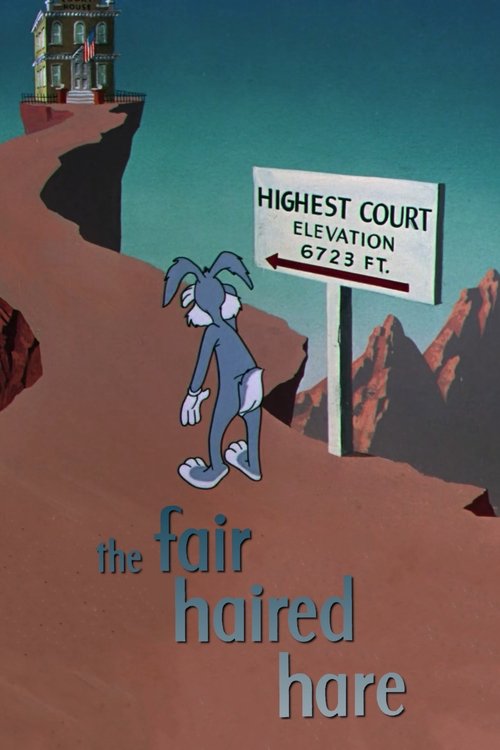
The Fair Haired Hare
1951
No user ratings available yet
Representation score: 0.5 out of 10
Representation Score
Minimal
1959
NRDirector
Friz Freleng
Runtime
7 minutes
Average Rating
No ratings yetNew Showbiz Analysis
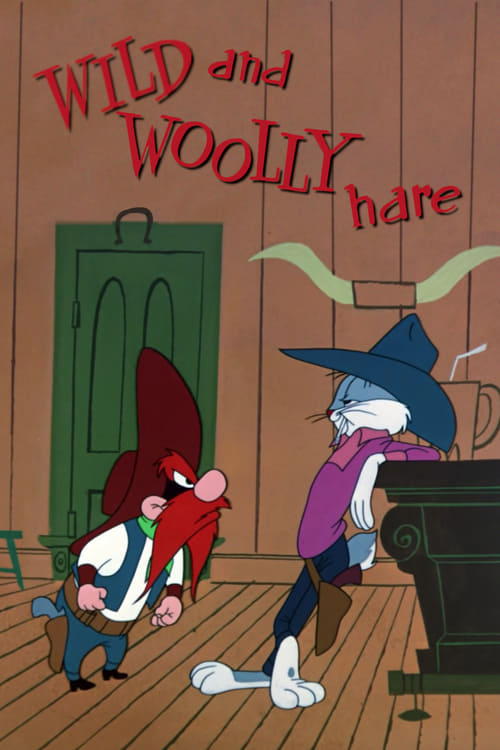
Wild and Woolly Hare is a classic example of 1950s Western comedy, focusing on fast-paced, energetic humor. The film stays within the conventional boundaries of the genre, using familiar character types to create its comedic rhythm. Since the story centers on the rivalry between Bugs Bunny and Yosemite Sam, it doesn’t explore a wide range of identities. The setting supports a narrow, traditional view of the American frontier that overlooks diverse racial and gender perspectives. Ultimately, the short serves as a celebration of classic character-driven comedy. It does not aim to challenge social hierarchies or provide layered representation, staying true to the cultural shorthand of its era.
Category Breakdown
The film does not include any characters with LGBTQ+ identities or those who do not identify with their assigned gender at birth. It follows typical 1950s comedic conventions that don't question the assumption that everyone is straight or cisgender.
The story revolves around a conflict between male characters. It emphasizes traditional male roles without giving women significant roles in driving the plot.
The film sticks to a traditional Western setting. It uses well-known Anglo-centric frontier themes without showcasing a diverse range of characters.
The movie highlights traditional Western themes and individualistic humor. It focuses on slapstick comedy rather than examining cultural or systemic issues.
There are no characters with physical or cognitive disabilities. The story does not address disability representation.
Present on Screen
Limited or Absent
Official Synopsis
Bugs Bunny and Yosemite Sam duel with trains in an Old West shootout.
1951
1945
1948
1949
1964
1948
1951
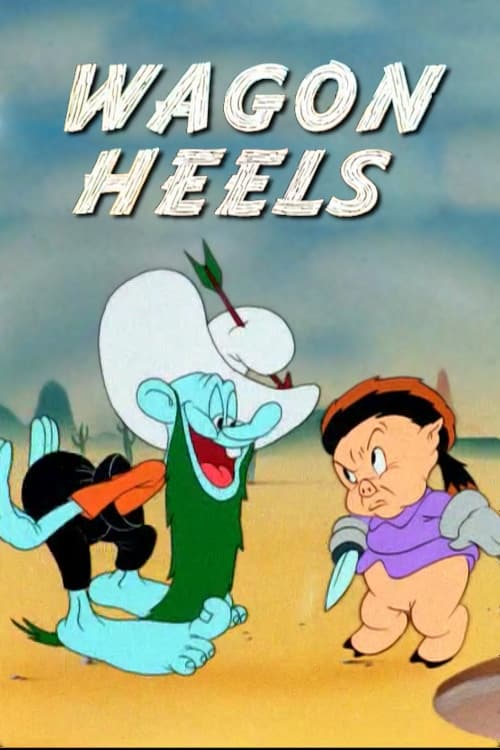
1945
No reviews yet. Be the first to share your thoughts on this movie!
Use the rating form above to leave a star rating and optional review.