Bugs Bunny Rides Again
1948
No user ratings available yet
Diversity score: 1.7 out of 10
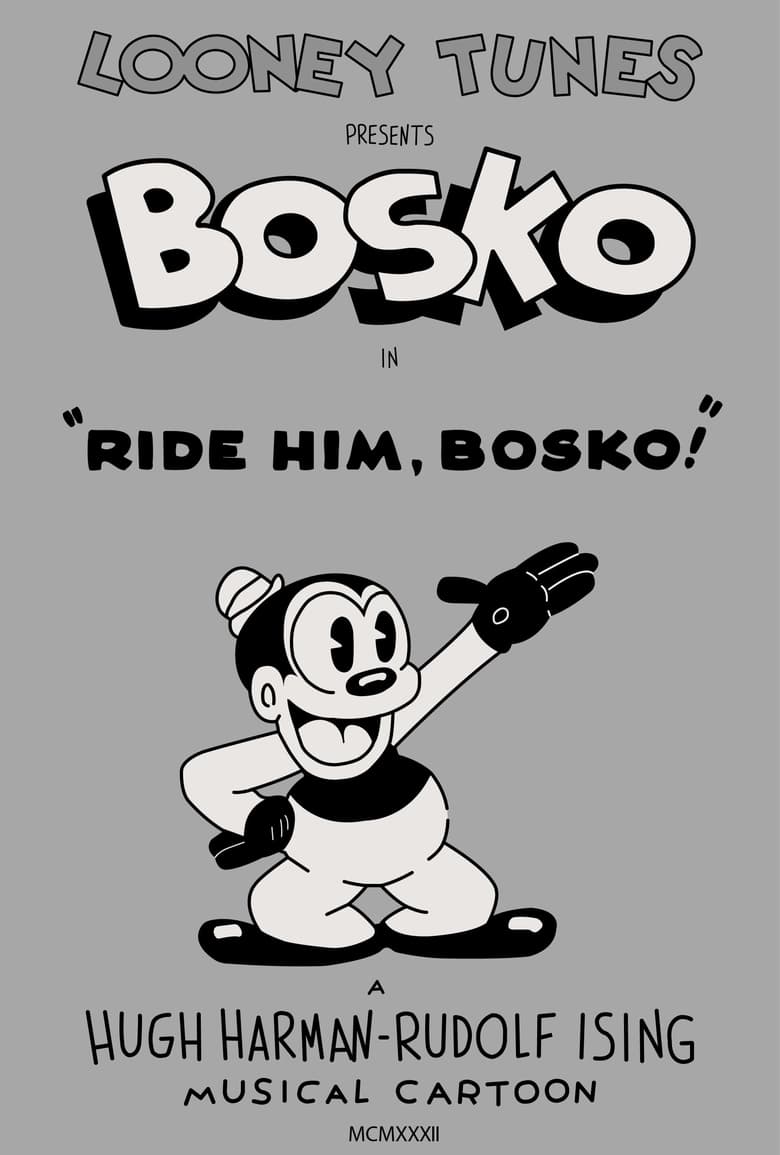
1932
Director
Hugh Harman
Runtime
7 minutes
Average Rating
No ratings yetSynopsis
Ride Him, Bosko! is a western-flavored cartoon with lots of shooting gags involving body reduction, and card characters singing! There's also an alcohol gag that has a really strong one turning a male piano player into a woman instantly!
Overall Score
Minimal
Category Breakdown
LGBTQ+ Representation
The film lacks any depiction of queer themes or non-heteronormative identities. A surreal gag involving gender transformation via alcohol serves as visual absurdity rather than meaningful exploration.
Gender Representation
Gendered interaction is minimal and lacks female agency. A male piano player's transformation into a woman functions as a comedic device rather than a subversion of patriarchal structures.
Racial & Ethnic Diversity
Bosko provides Black visibility, but the character design relies on exaggerated racial caricatures common to the 1930s. The visual language reinforces historical hierarchies through these tropes.
Religious & Cultural Diversity
The work follows a standard Western comedic framework within a generic, stylized landscape. It avoids systemic critique or complex moral relativism in favor of slapstick escapism.
Disability Representation
There are no characters depicted with visible or invisible disabilities. The narrative does not address neurodivergence or physical impairment.
Strengths
Areas for Improvement
AI Analysis
Ride Him, Bosko is a historical artifact that reflects the restrictive social frameworks of early 1930s animation. While it centers on a Black protagonist, the character is rendered through the lens of racial caricature, utilizing the era's problematic visual language. Gender and identity are treated as tools for slapstick rather than subjects of depth. The film uses physical transformations and gendered gags to drive humor, failing to challenge or disrupt existing social hierarchies. Ultimately, the film operates within a narrow comedic landscape that prioritizes escapism and traditional archetypes over any meaningful representation or social critique.
1948
1961
1951
1945
1949
1971
1954
1937
1924
1952
1945
1959
No reviews yet. Be the first to share your thoughts on this movie!
Use the rating form above to leave a star rating and optional review.