Wagon Heels
1945
No user ratings available yet
Diversity score: 1.3 out of 10
1951
ApprovedDirector
Walter Lantz
Runtime
7 minutes
Average Rating
No ratings yetSynopsis
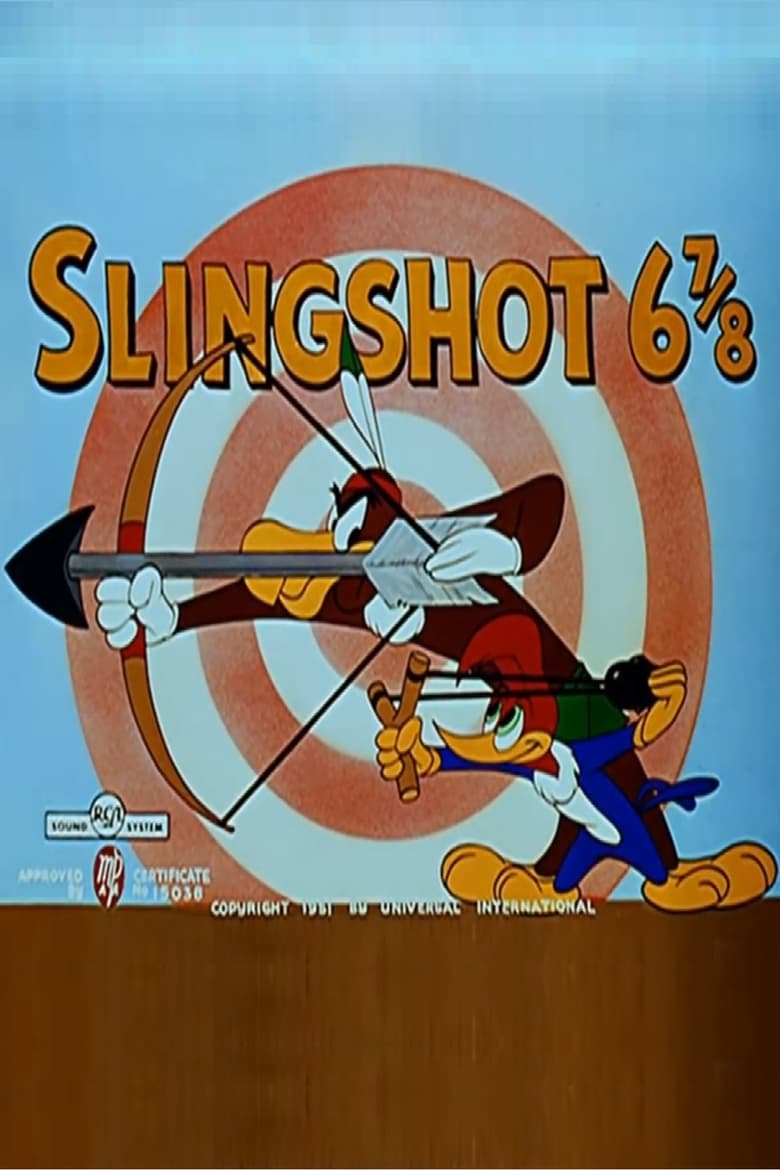
Out west, tenderfoot Woody uses his slingshot against Indian Buzz Buzzard in a shooting contest.
Overall Score
Minimal
Category Breakdown
LGBTQ+ Representation
The film lacks any LGBTQ+ characters or narratives. It adheres to the heteronormative and gender-binary frameworks typical of 1951 animation.
Gender Representation
The story centers on a competitive confrontation between two male archetypes. It reinforces conventional masculine tropes of physical prowess without providing female agency.
Racial & Ethnic Diversity
The narrative utilizes Indigenous caricatures for comedic effect. These reductive ethnic stereotypes serve as tropes rather than providing nuanced representation of Indigenous peoples.
Religious & Cultural Diversity
Set within a Western framework, the film aligns with traditional American frontier mythologies. It lacks themes that challenge institutional or traditional Western values.
Disability Representation
There is no discernible evidence regarding the portrayal of physical or neurodivergent disabilities in this short.
Strengths
Areas for Improvement
AI Analysis
This 1951 Walter Lantz short is a product of its era, functioning within the restrictive social and representational constraints of mid-century animation. The narrative relies heavily on archetypal character dynamics and slapstick humor rather than intentional narrative depth. The film reinforces traditional social hierarchies through its use of Western tropes and gendered competition. It lacks intersectional visibility, focusing instead on established comedic archetypes that do not subvert existing social norms. Ultimately, the work serves as a historical example of how early animation utilized reductive stereotypes and binary frameworks to drive its storytelling.
1945
1941
1932

1951
1954
1937
1959
1924
1961
1948
1971
1949
No reviews yet. Be the first to share your thoughts on this movie!
Use the rating form above to leave a star rating and optional review.