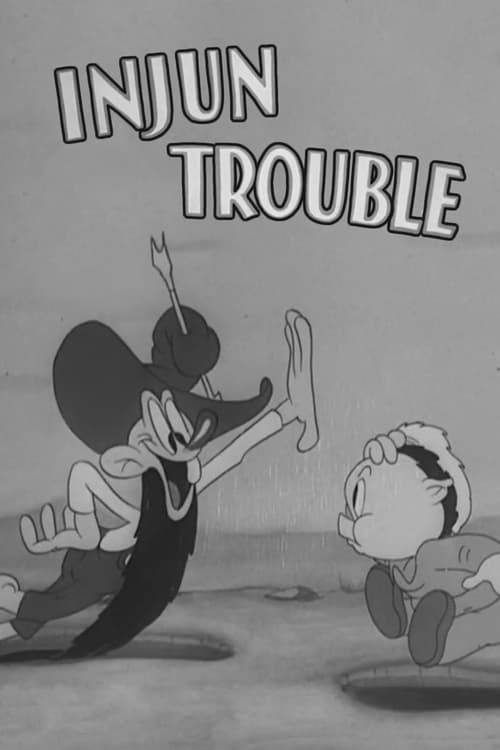
Injun Trouble
1938
No user ratings available yet
Representation score: 0.3 out of 10
Representation Score
Minimal
1945
ApprovedDirector
Robert Clampett
Runtime
7 minutes
Average Rating
No ratings yetNew Showbiz Analysis
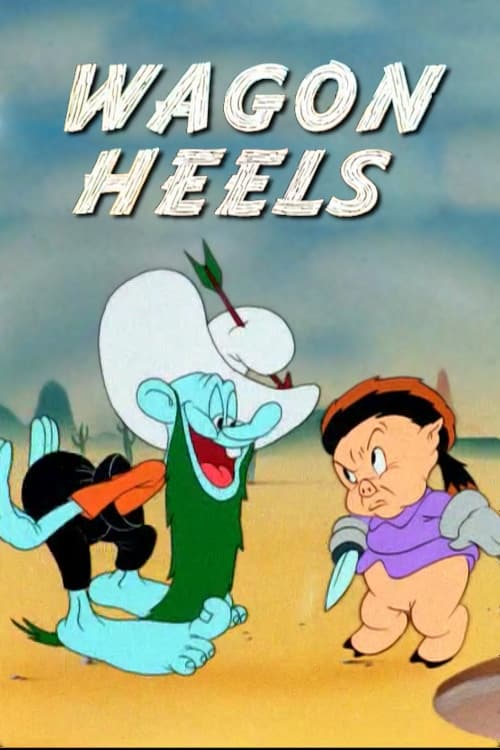
Wagon Heels is a product of the 1940s animation era, relying heavily on the Western genre's established archetypes. The narrative structure follows a standard hero-versus-adversary trajectory that reinforces the social norms of its time. The film's use of period-specific racial caricatures and a strictly masculine cast limits its depth. It functions as a traditional piece of mid-century media that prioritizes frontier mythology over nuanced representation. Ultimately, the work offers minimal disruption to the cultural hierarchies of the era, leaning instead into the expansionist and colonialist clichés common to the genre.
Category Breakdown
The film does not depict any non-straight relationships or same-sex intimacy. The story centers around a traditional masculine adventure.
The plot is driven solely by male characters such as Porky and Sloppy Moe. There is no evidence of women taking a leading role or challenging gender hierarchies.
The story uses outdated caricatures of Indigenous peoples through terms like 'Injun Joe' and 'Superchief.' These roles perpetuate colonial-era racial stereotypes.
The film adheres to Western frontier mythology and emphasizes territorial conquest without critiquing Western institutions.
There is no information available regarding the portrayal of physical or neurodivergent disabilities in this animation.
Present on Screen
Limited or Absent
Official Synopsis
Porky leads a wagon train into "Injun Joe Territory," and finally comes up against the fearsome Superchief. But Sloppy Moe, a survivor of a previous Injun Joe attack, knows something about him he won't tell... until the very end.
1938
1939
1945
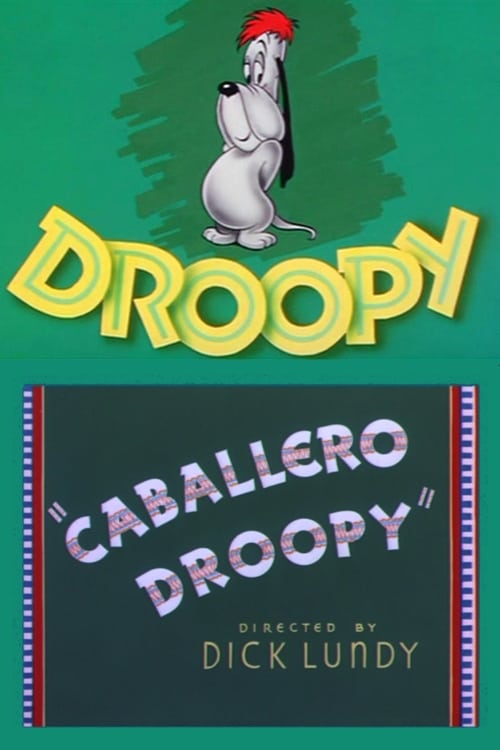
1952
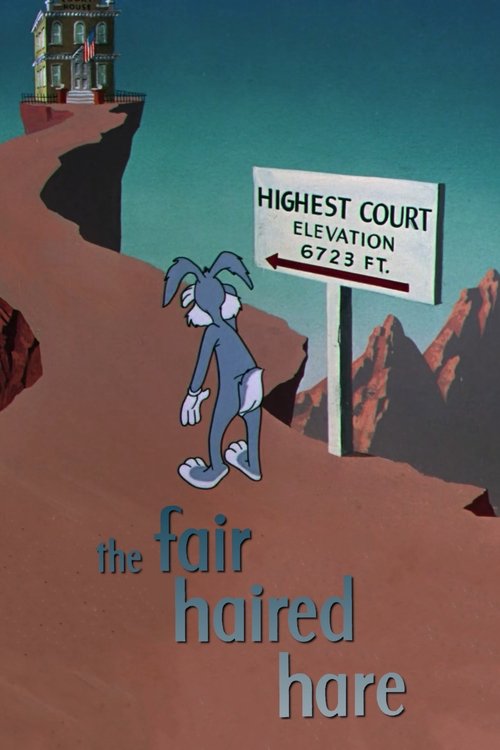
1951
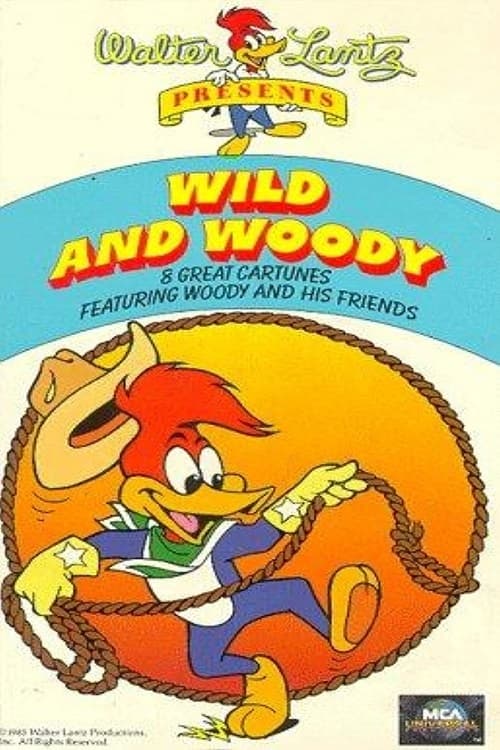
1948
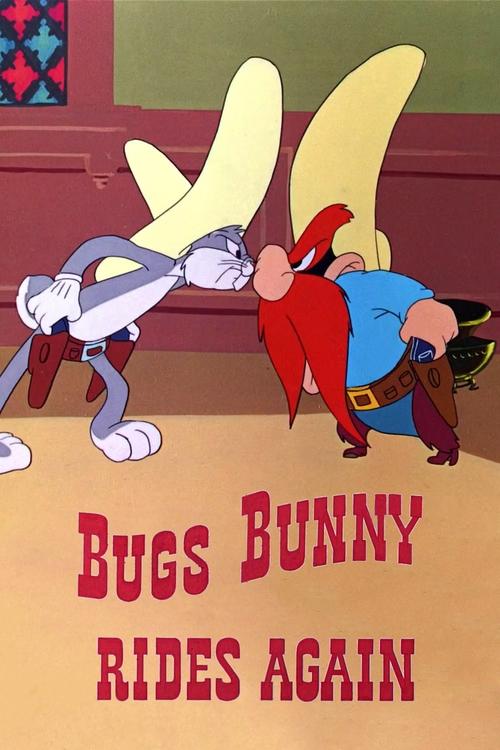
1948
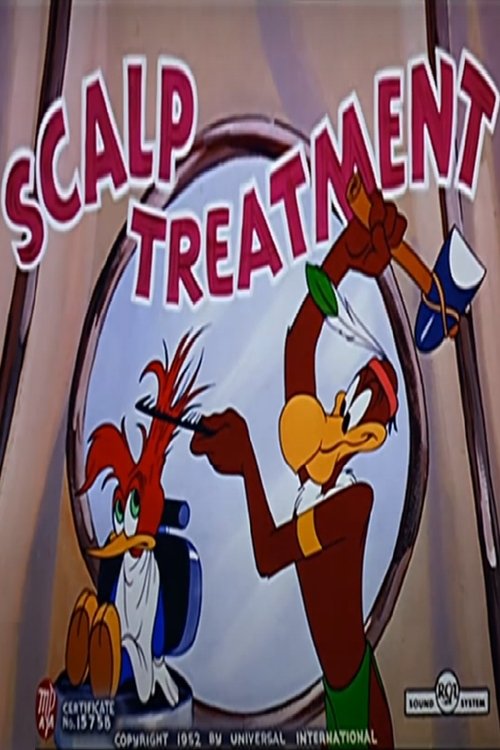
1952
No reviews yet. Be the first to share your thoughts on this movie!
Use the rating form above to leave a star rating and optional review.