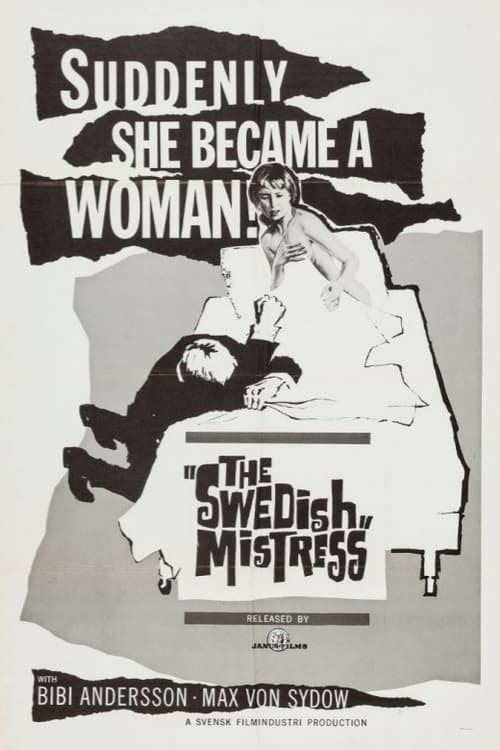
The Mistress
1962
No user ratings available yet
Representation score: 5.3 out of 10

Representation Score
Good
1968
M/PGDirector
Mai Zetterling
Runtime
83 minutes
Average Rating
No ratings yetNew Showbiz Analysis
Mai Zetterling’s direction provides a sophisticated critique of power structures, particularly focusing on gender and religious hegemony. The film excels in its intellectual deconstruction of social morality and individual autonomy. However, the film lacks demographic diversity. The cast is largely homogeneous, and the narrative focuses on traditional romantic dynamics without exploring LGBTQ+ or diverse ethnic identities. Ultimately, the film is a study of psychological complexity and institutional critique rather than a broad representation of diverse human identities.
Category Breakdown
The story focuses on a romantic relationship between a doctor and a young woman, which follows traditional heterosexual norms. There are no clear indications of LGBTQ+ identities or subtext within the social circle.
The film challenges traditional gender hierarchies by emphasizing the female protagonist's psychological independence. It critiques the patriarchal social structure and the restrictive nature of traditional domestic roles.
Set in historical Stockholm, the cast is predominantly homogeneous, reflecting the era's social stratification without incorporating diverse ethnic viewpoints.
The narrative offers a critical look at religious authority and Western institutions. It portrays the clergyman as a symbol of corruption rather than a moral guide.
The film explores internal struggles such as existential dread and loneliness. However, these are not presented through the lens of recognized disabilities or neurodivergence.
Present on Screen
Limited or Absent
Official Synopsis
Doctor Glas finds himself attracted to a young woman, married to a corrupt clergyman. She's miserable in her marriage, so he agrees to help in anyway he can. But he is quickly torn between passion and morality.
1962

1972
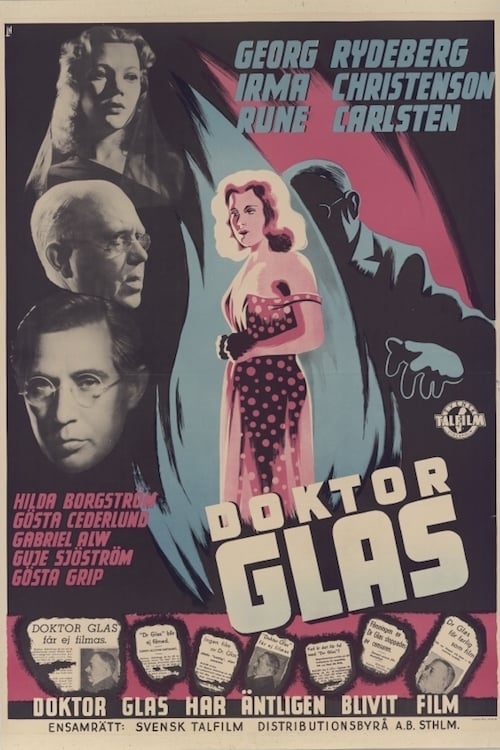
1942
1953
1949
1980

1965
1968
No reviews yet. Be the first to share your thoughts on this movie!
Use the rating form above to leave a star rating and optional review.