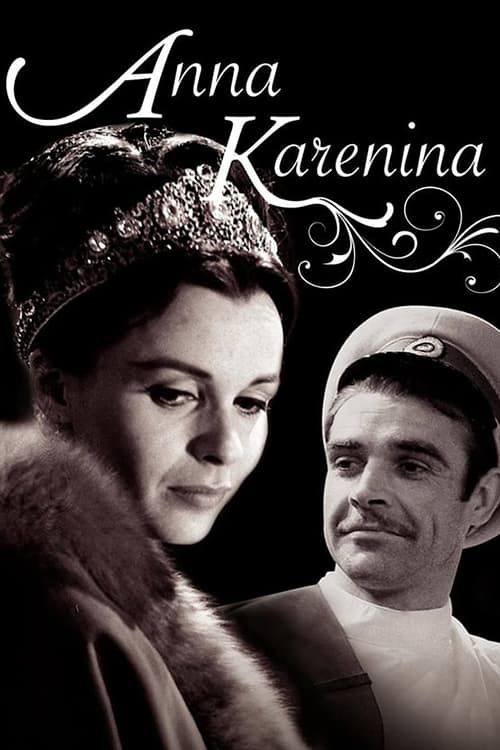
Anna Karenina
1961
No user ratings available yet
Representation score: 2.5 out of 10

Representation Score
Limited
2009
Director
Sergey Solovyov
Runtime
120 minutes
Average Rating
No ratings yetNew Showbiz Analysis
Solovyov’s adaptation serves as a character study of social exclusion. It exposes the inequities inherent in 19th-century aristocratic traditions, revealing the perceived stability of the social order. The film excels in its examination of gendered power dynamics. By focusing on Anna’s journey, it highlights the disproportionate punishment women face for seeking autonomy, effectively challenging the era's moral landscape. However, the production is constrained by its adherence to historical homogeneity. The absence of LGBTQ+ representation and racial diversity reflects the era's limitations, resulting in a narrow demographic perspective.
Category Breakdown
The film focuses solely on heterosexual and cisgender relationships. There is no representation of same-sex intimacy or non-cisgender identities.
The story provides a nuanced look at patriarchal structures and double standards. Anna's struggle highlights the lack of women's control over their lives and the societal punishment they face for seeking independence.
The casting is ethnically uniform, reflecting the 19th-century Russian aristocracy. The lack of racial diversity stems from the historical context rather than modern casting practices.
The film criticizes the hypocrisy of high society and the restrictive nature of traditional institutions. It portrays the elite and the Church as enforcers of social norms rather than moral pillars.
There are no portrayals of physical or neurodivergent disabilities as central to the character arcs or narrative devices.
Present on Screen
Limited or Absent
Official Synopsis
In Imperial Russia, Anna, wife of the officer Karenin, goes to Moscow to visit her brother. On the way, she meets charming cavalry officer Vronsky, to whom she's immediately attracted. But in St. Petersburg’s high society, a relationship like this could destroy a woman’s reputation.
1961
1935
1967
1997

1985
1991
1948
1999
No reviews yet. Be the first to share your thoughts on this movie!
Use the rating form above to leave a star rating and optional review.