The Letter
1999
No user ratings available yet
Representation score: 6.5 out of 10
Representation Score
Limited
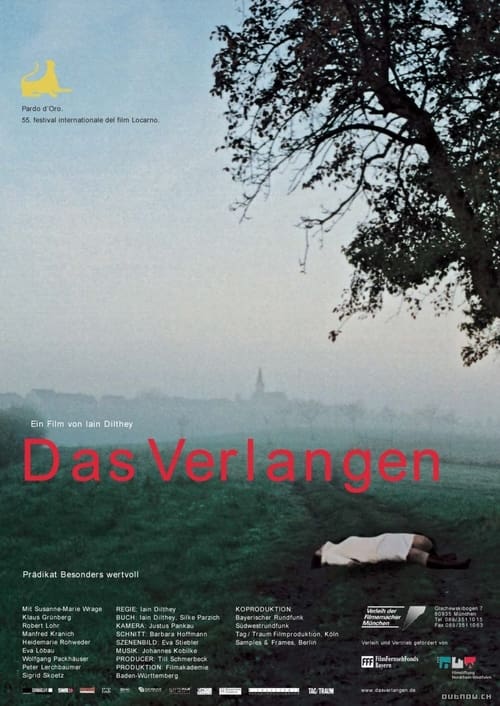
2002
Director
Iain Dilthey
Runtime
94 minutes
Average Rating
No ratings yetNew Showbiz Analysis
The film focuses on the psychological journey of Lena, critiquing traditional gender roles and patriarchal structures. It portrays the marital home as a site of confinement rather than stability. While the setting is culturally specific and lacks diversity, the narrative provides a meaningful critique of patriarchal social structures. Lena's shift from passive duty to active emotional pursuit highlights her path to self-actualization. Ultimately, the work centers on the internal struggle of the individual against institutional dogma.
Category Breakdown
The film follows a heterosexual relationship between Lena and Paul, with no indication of queer subtext or diverse gender identities.
Lena's journey shifts from being a submissive wife to becoming an active agent of her own desires. The film critiques patriarchal dominance through her husband's oppressive behavior.
Set in a European village, the story focuses on a homogeneous community with no racial diversity or blended cultural backgrounds.
The film critiques the intersection of marriage and religious authority, emphasizing individual emotional truth over communal dogma.
The narrative does not include any characters with visible or invisible disabilities.
Present on Screen
Limited or Absent
Official Synopsis
It is set in a dreary village in the Schwabian-Frankish Forest where the seemingly reserved Lena lives with her tyrant of a husband, Johannes, in a loveless marriage. Johannes is the village's spiritual leader and Lena is his faithful, ever-ready-to-serve wife. Lena's daily life is characterized by grinding monotony, a life narrowly circumscribed by nursing, organ playing and the duties of the marriage bed. The mysterious murder of a village girl suddenly knocks this humdrum existence off its tracks. In the wake of these events Lena discovers the affection and tenderness for which she has always longed in Paul, the village mechanic. This encounter is the start of an emancipation that leads her not to reveal Paul's secret regarding the girl's murder, for fear of losing her newly won piece of happiness. In turn it means she has to remain silent, as she has always done in her many years of marriage. So it is that this love ultimately turns Lena herself into a fallen angel.
1999
1967

1996
1989
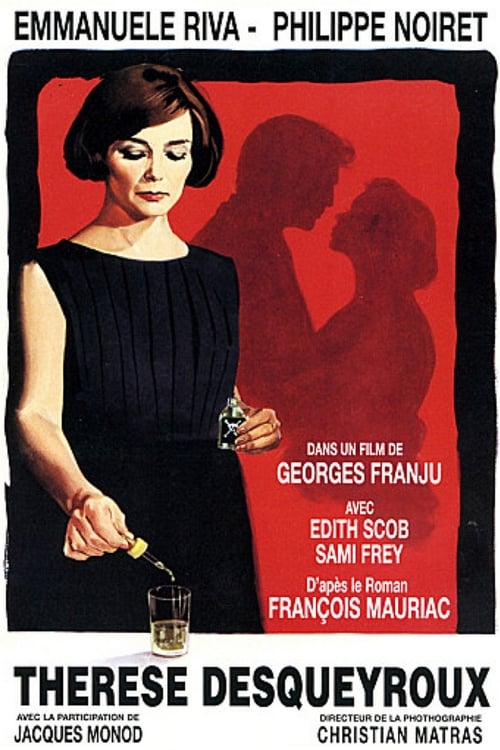
1962
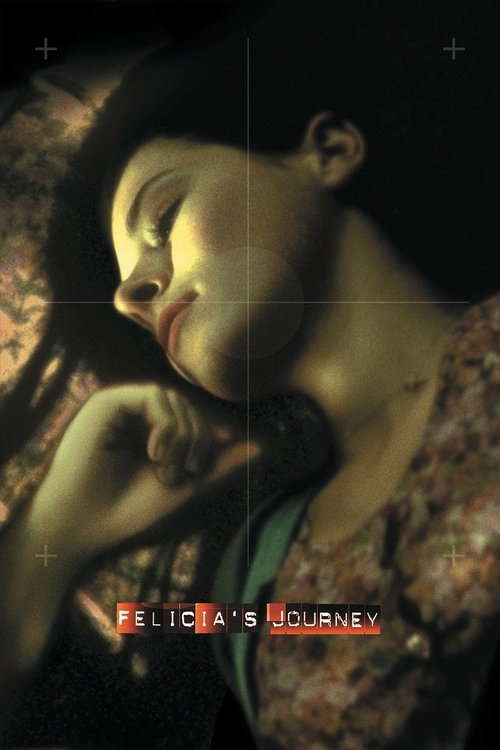
1999
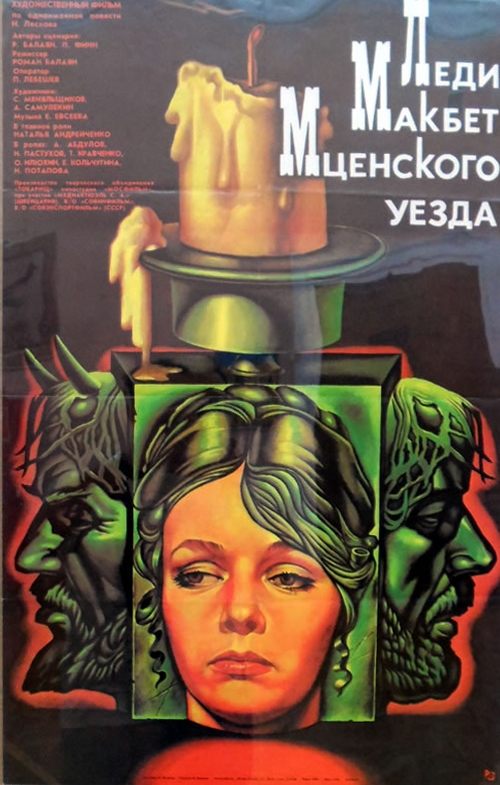
1989
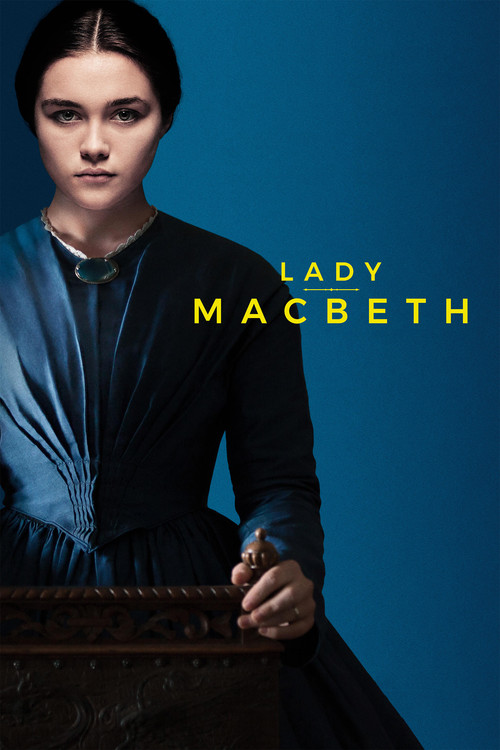
2016
No reviews yet. Be the first to share your thoughts on this movie!
Use the rating form above to leave a star rating and optional review.