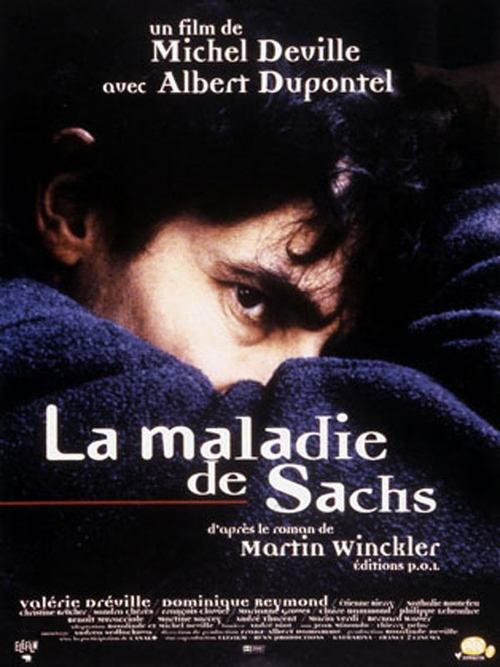
Sachs' Disease
1999
No user ratings available yet
Diversity score: 4.6 out of 10
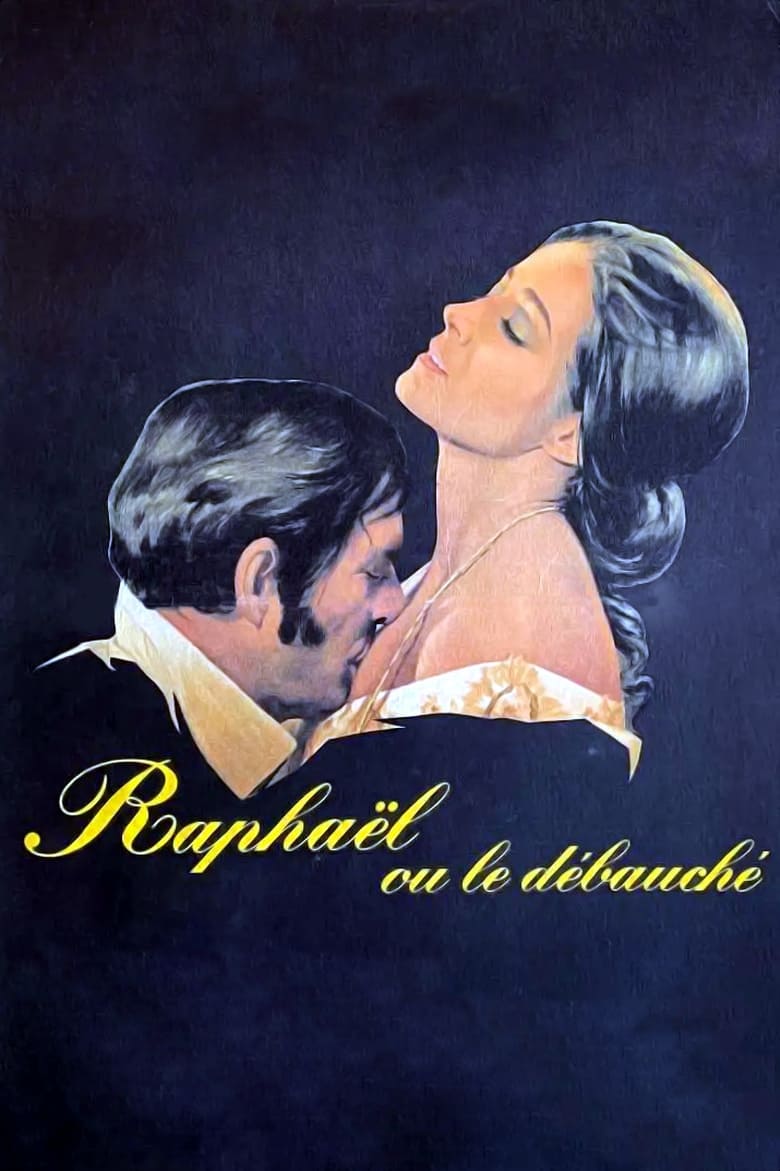
1971
Director
Michel Deville
Runtime
100 minutes
Average Rating
No ratings yetSynopsis
1830, somewhere in France. Aurore is a young, beautiful and virtuous widow. She meets Raphael, a man of leisure, a debauchee. Raphael is obsessed by the death, and wait for it by chasing women and drinking. He first tries to seduce her, but is impressed by her and gives up. But Aurore felt in love with him, and tries not to look as inacessible. A romantic drama, with dispair, cynism, disgust for life and love.
Overall Score
Fair
Category Breakdown
LGBTQ+ Representation
The film operates within a traditional heteronormative framework. While it explores hedonism and social transgression, it lacks explicit non-cisnormative identities or critiques of heteronormativity.
Gender Representation
The narrative disrupts domestic hierarchies by centering on a self-destructive protagonist. This volatile romance challenges traditional tropes of patriarchal leadership and idealized feminine submission.
Racial & Ethnic Diversity
Set in 1830s France, the film reflects the homogeneous European landscape of its era. There is no evidence of color-blind casting or non-white characters.
Religious & Cultural Diversity
The story prioritizes subjective passion and moral relativism over Christian morality. It favors a secular, individualistic exploration of ethics over traditional social order.
Disability Representation
There is no discernible evidence regarding the portrayal of physical or neurodivergent disabilities in this work.
Strengths
Areas for Improvement
AI Analysis
Michel Deville’s film is a character study of individualistic excess that prioritizes aesthetic sensibility over moral didacticism. It succeeds in subverting traditional social structures by focusing on a cynical, volatile romance rather than stable, patriarchal domesticity. However, the film remains limited by its historical setting and traditional narrative focus. It adheres strictly to the demographic norms of 1830s France, offering little in the way of racial or LGBTQ+ diversity. Ultimately, the work finds its progressive edge through thematic deconstruction. It rejects institutionalized virtue in favor of exploring the complexities of human impulse and moral ambiguity.
1999
1991
2007
1982

1961
1973
1976
1969
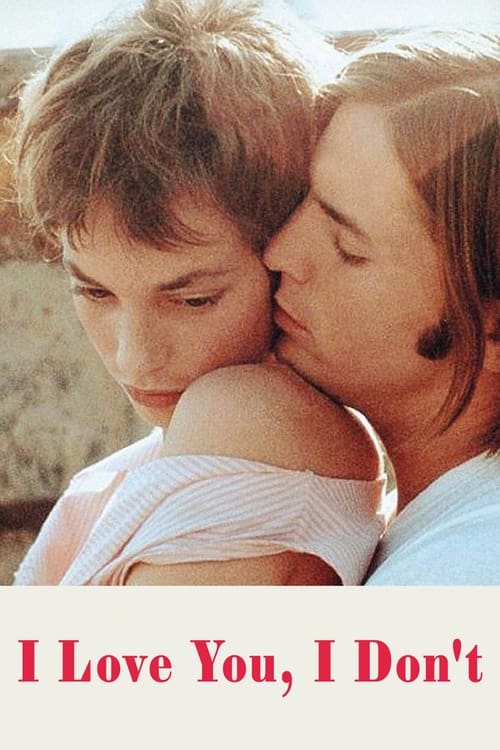
1976
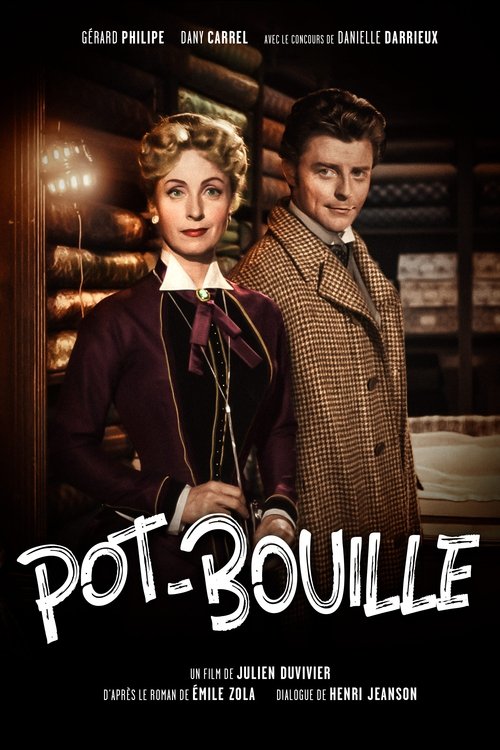
1957
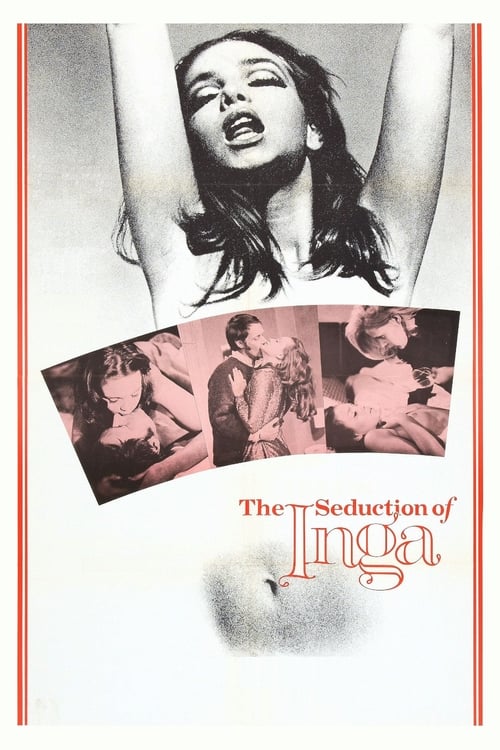
1968
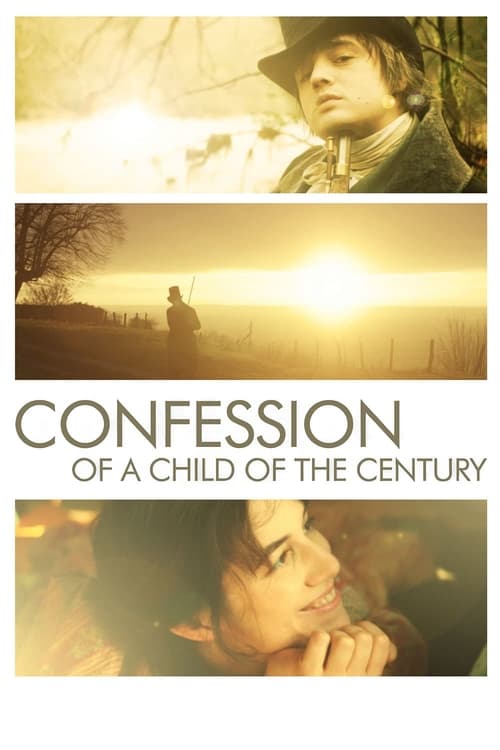
2012
No reviews yet. Be the first to share your thoughts on this movie!
Use the rating form above to leave a star rating and optional review.