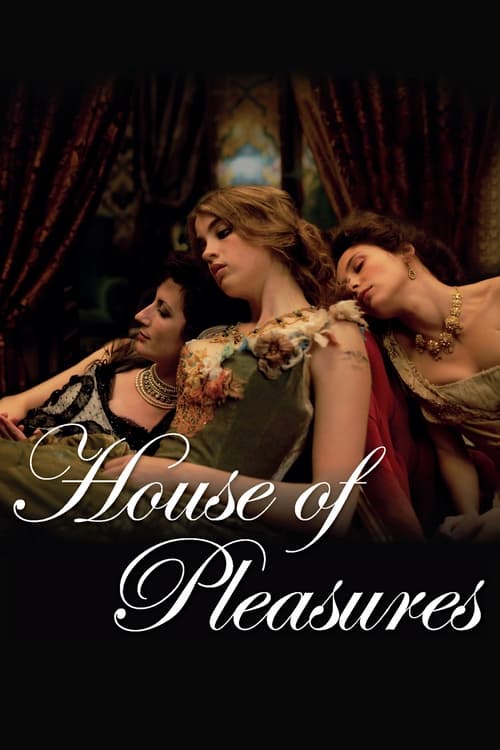
House of Pleasures
2011
No user ratings available yet
Representation score: 5.7 out of 10
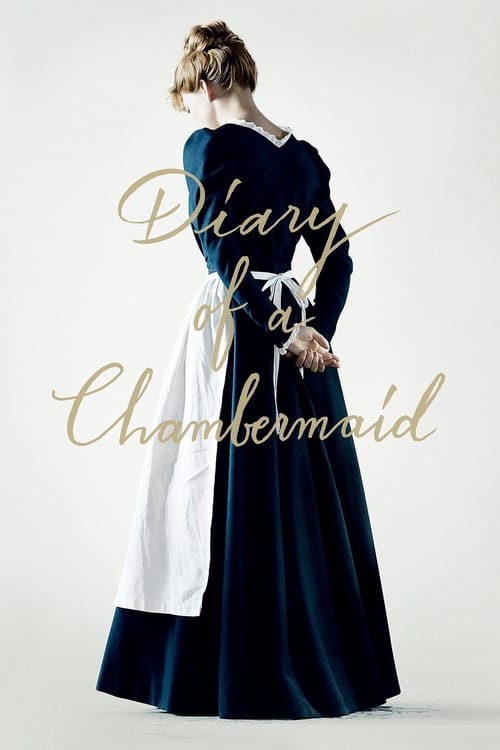
Representation Score
Fair
2015
Not RatedDirector
Benoît Jacquot
Runtime
96 minutes
Average Rating
No ratings yetNew Showbiz Analysis
Benoît Jacquot’s adaptation succeeds as a psychological study of power, specifically through its subversion of gendered hierarchies. By centering Célestine’s sensory and intellectual experiences, the film moves beyond the cliché of the submissive servant to reveal the rot within the patriarchal family unit. However, the film remains tethered to its historical setting, resulting in a lack of racial and LGBTQ+ diversity. The narrative structure is built around 19th-century social stratification, which limits the breadth of identity representation. Ultimately, the film is an intellectually progressive critique of class. It trades conventional escapism for a nuanced examination of how systemic exploitation functions within the traditional Western domestic sphere.
Category Breakdown
The film focuses on the transactional nature of 19th-century gendered interactions and lacks explicit queer narratives or non-cisgender identities. However, it explores sexual ability to act and social transgression.
Célestine serves as a complex protagonist who navigates a patriarchal landscape with cynical ability to act. The film challenges traditional domestic clichés by centering the female gaze and exposing the hypocrisy of the bourgeois household.
The cast is largely homogeneous, reflecting the historical reality of 19th-century French provincial life. While lacking racial diversity, the film uses the 'othering' of the working class to explore social stratification.
The narrative offers a sophisticated critique of Western bourgeois and capitalist structures. It deconstructs the perceived sanctity of the upper-class family, framing the domestic sphere as a site of systemic corruption.
There are no prominent depictions of visible or invisible disabilities that drive the narrative or serve as significant character arcs.
Present on Screen
Limited or Absent
Official Synopsis
In the late 19th century, a chambermaid from Paris relocates to a remote household in Provence, engages in trysts and finds herself enraptured with a coach driver.
2011
1991
2012
2015

2021

2015

2016

2013
No reviews yet. Be the first to share your thoughts on this movie!
Use the rating form above to leave a star rating and optional review.