
Ever in My Heart
1933
No user ratings available yet
Representation score: 0.9 out of 10
Representation Score
Limited
1934
Director
Mikheil Chiaureli
Runtime
100 minutes
Average Rating
No ratings yetNew Showbiz Analysis
The Last Masquerade serves as a powerful vehicle for Georgian national identity and proletarian struggle. It successfully challenges Western bourgeois norms by centering a non-Western perspective on historical upheaval. However, the film remains tied to the traditional gender hierarchies of the 1930s. The narrative arc is almost exclusively a masculine journey of political awakening and warfare. Ultimately, the film excels at cultural and class-based storytelling while remaining narrow in its depiction of gender and identity.
Category Breakdown
The film does not include any representation of LGBTQ+ identities or same-sex relationships. The story focuses solely on class struggle and revolutionary themes.
The story centers on the male experience of revolution, imprisonment, and war. Female characters have limited roles in the protagonist's journey.
The film presents a non-Western, Caucasian-centric perspective by focusing on the Georgian proletariat. It disrupts Eurocentric cinematic norms of the time.
The narrative is deeply rooted in the deconstruction of bourgeois institutions. It prioritizes class identity over individualist or religious morality.
There is no information available regarding the portrayal of physical or neurodivergent disabilities in this work.
Present on Screen
Limited or Absent
Official Synopsis
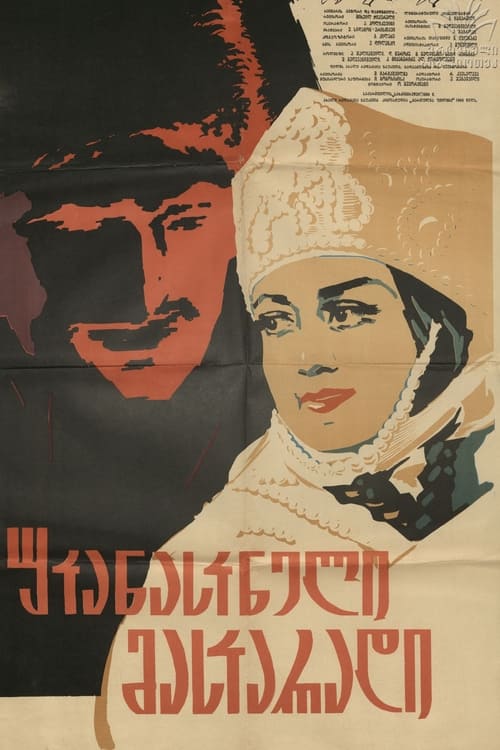
The revolutionary struggle of the Georgian proletariat is the central theme of this story. The narrative follows the life and fate of a young revolutionary named Mito. After the Mensheviks disrupt a railway strike, Mito is sentenced to three years in prison, and his father is executed. During his time in prison, Mito shares a cell with an old Bolshevik, which transforms the hot-headed and unstable young man into a conscious Bolshevik. Soon, World War I begins, and Mito, who has just been released from prison, is sent to war.
1933

1932

1930

1958

1938

1935

1928

1965
No reviews yet. Be the first to share your thoughts on this movie!
Use the rating form above to leave a star rating and optional review.