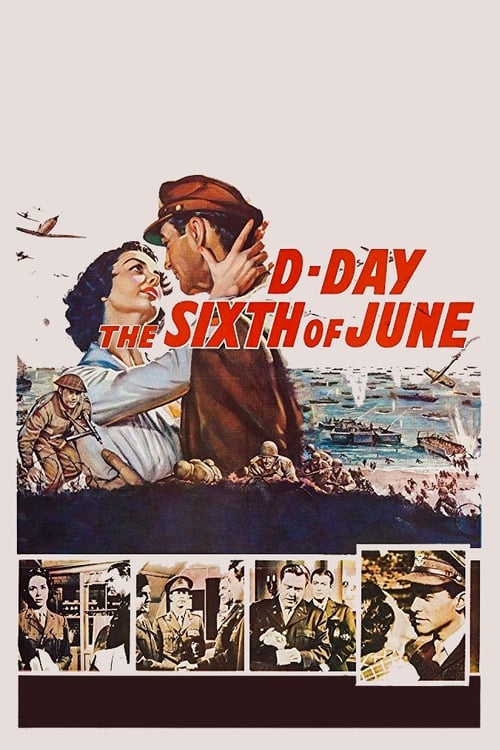
D-Day the Sixth of June
1956
No user ratings available yet
Representation score: 1.3 out of 10

Representation Score
Minimal
1941
NRDirector
Henry King
Runtime
86 minutes
Average Rating
No ratings yetNew Showbiz Analysis
Henry King’s direction emphasizes traditional moral structures and community cohesion. The film functions as a nostalgic period drama that reinforces the social and cultural frameworks of 1941. The story prioritizes personal memory and the continuity of traditional life cycles. It lacks the complexity or disruption of power dynamics found in more progressive cinema. Ultimately, the work reflects the mid-century American social consensus, focusing on conventional romantic arcs and institutional stability.
Category Breakdown
The film focuses on a traditional romantic plot centered around marriage and political legacy. There is no representation of LGBTQ+ identities or narratives that question the assumption that everyone is straight or cisgender.
Nora Trinell, the protagonist, provides a female-driven perspective. However, her role is largely defined by her emotional connections to the men in her life.
The setting and subject matter suggest a focus on white, Anglo-Saxon protagonists. The film likely reflects the homogeneous casting norms of the early 1940s.
Themes of patriotism and the sanctity of marriage promote traditional Western institutions. The narrative values social stability over challenging established systems.
The narrative does not include characters navigating physical or neurodivergent experiences.
Present on Screen
Limited or Absent
Official Synopsis
Elderly schoolteacher Nora Trinell, waiting to meet presidential nominee Dewey Roberts, recalls him as her student back in 1916 and his relation to Dan Hopkins, the man she married and lost.
1956
1940
1944
1958

1928
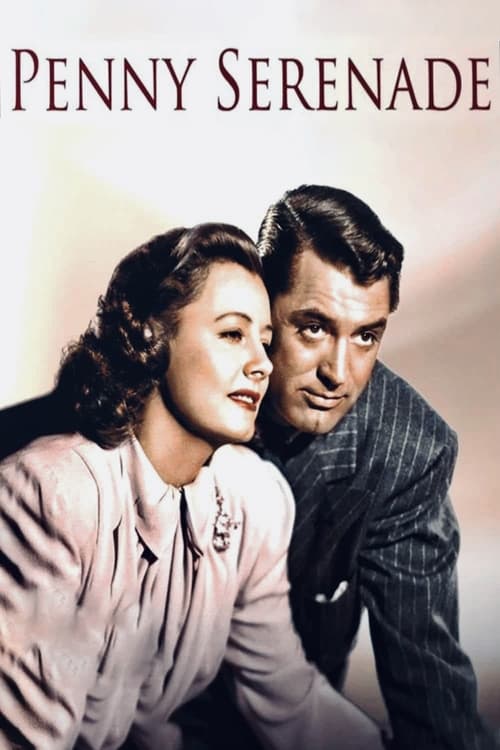
1941

1952
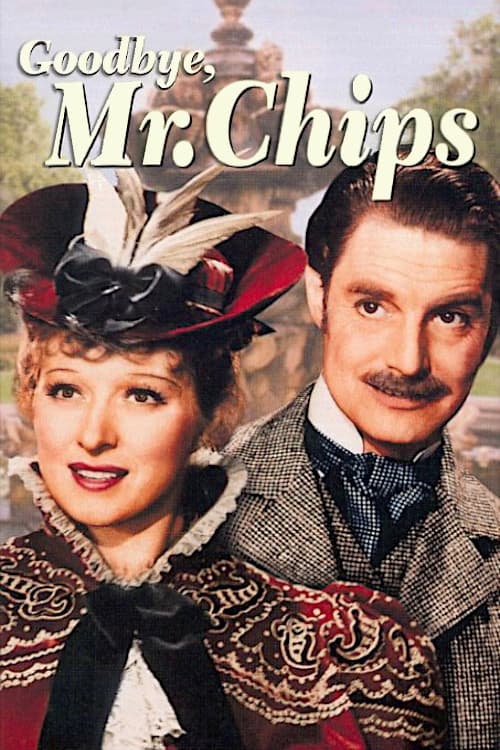
1939
No reviews yet. Be the first to share your thoughts on this movie!
Use the rating form above to leave a star rating and optional review.