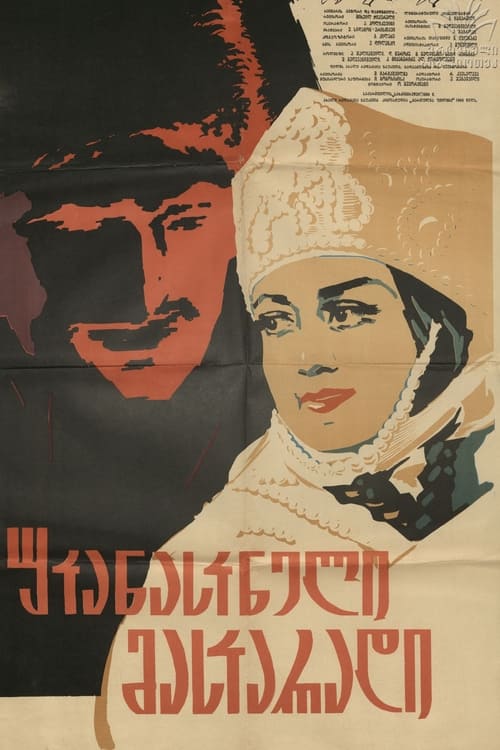
The Last Masquerade
1934
No user ratings available yet
Representation score: 3.1 out of 10
Representation Score
Limited
1938
Director
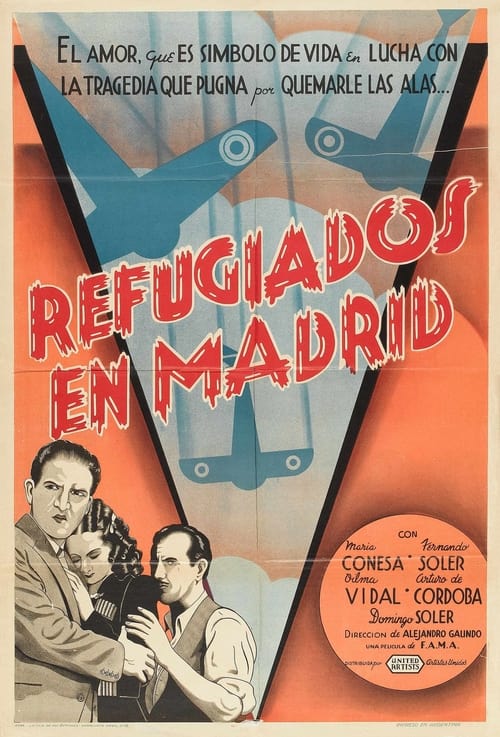
Alejandro Galindo
Runtime
104 minutes
Average Rating
No ratings yetNew Showbiz Analysis
Refugiados en Madrid is a significant historical document of the Golden Age of Mexican cinema. It provides a unique narrative that exists outside the dominant Hollywood studio system of the 1930s. While the film offers a non-Western perspective on wartime displacement, it lacks modern complexity in addressing diverse identities. Characters mostly follow traditional roles and social hierarchies of the time. The film’s value lies in its historical context. It explores social tensions and the human condition, even if it does not actively challenge established gender or social norms.
Category Breakdown
The film follows the social norms of 1938. It uses traditional romantic clichés and does not include any known non-straight identities.
Actresses like María Conesa highlight a strong female presence. However, women’s roles remain tied to maintaining family stability and emotional strength during wartime.
As a Mexican production, the film offers a non-Western perspective. It examines the experiences of Spanish refugees during a time of global turmoil.
The story focuses on survival amid large-scale displacement. It questions the stability of political systems by showing how individuals are vulnerable to state-level conflicts.
There is no information about the inclusion of characters with visible or invisible disabilities in this film.
Present on Screen
Limited or Absent
Official Synopsis
A 1938 film.
1934

2004

1933

1930
1937

1986
1939
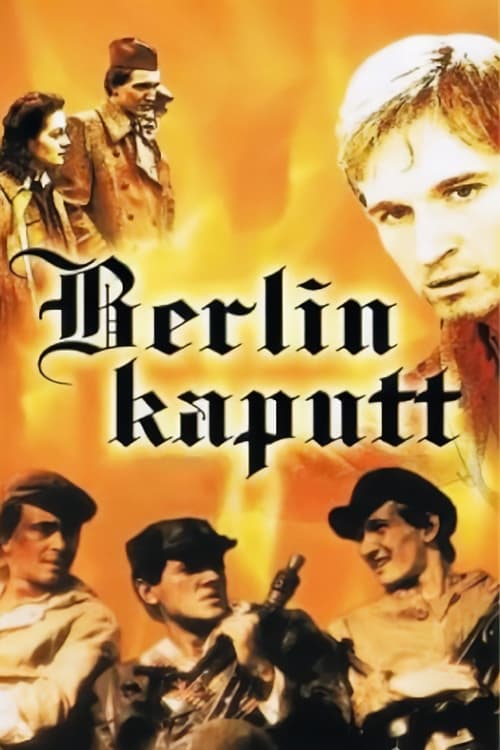
1981
No reviews yet. Be the first to share your thoughts on this movie!
Use the rating form above to leave a star rating and optional review.