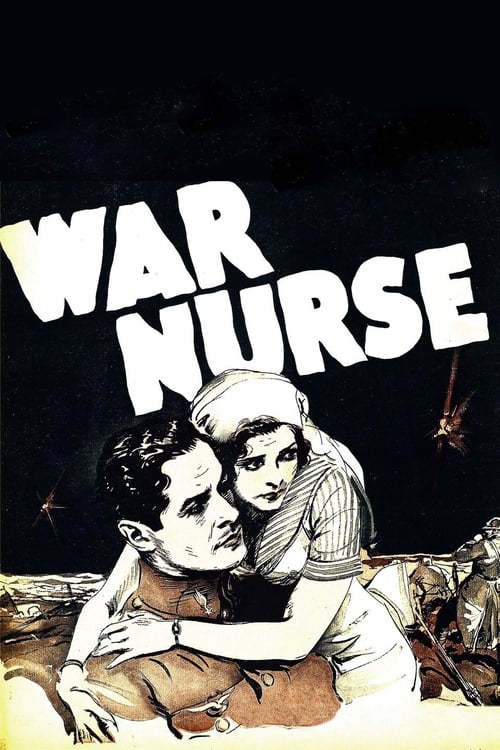
War Nurse
1930
No user ratings available yet
Representation score: 3.3 out of 10

Representation Score
Minimal
1928
NRDirector
George Fitzmaurice
Runtime
91 minutes
Average Rating
No ratings yetNew Showbiz Analysis
Lilac Time is a period melodrama that adheres strictly to the social norms of the late 1920s. While the female lead provides emotional focus, the narrative remains tied to conventional romantic and domestic roles. The film offers a culturally uniform perspective, reflecting the era’s cinematic norms through a homogeneous white cast. It lacks engagement with racial diversity or non-Western cultural perspectives. Ultimately, the production reinforces the demographic status quo, prioritizing classical storytelling and romantic devotion over any disruption of established social or cultural hierarchies.
Category Breakdown
The film focuses solely on heterosexual relationships and does not include any same-sex intimacy or non-cisgender identities.
Madeleine plays a central role as the emotional focal point but her actions are mostly confined to domestic duties and supporting the emotional well-being of others during wartime.
The cast is made up of a homogeneous white European group, and there is no representation of racial diversity or non-Anglo-Saxon identities.
The story operates within a traditional Western framework emphasizing romantic sanctity and the tragic impact of war, without challenging Western institutions.
There are no prominent depictions of visible or invisible disabilities. Characters are defined primarily by their romantic and wartime roles.
Present on Screen
Limited or Absent
Official Synopsis
In France during World War I, a charming farm girl keeps a squadron of English pilots in good spirits as best as she can. She falls for a handsome newcomer who is already engaged.
1930
1925

1933

1927

1931

1932
1934
1958
No reviews yet. Be the first to share your thoughts on this movie!
Use the rating form above to leave a star rating and optional review.