Dzhamilya
1969
No user ratings available yet
Representation score: 4.5 out of 10
Representation Score
Limited
1943
Director
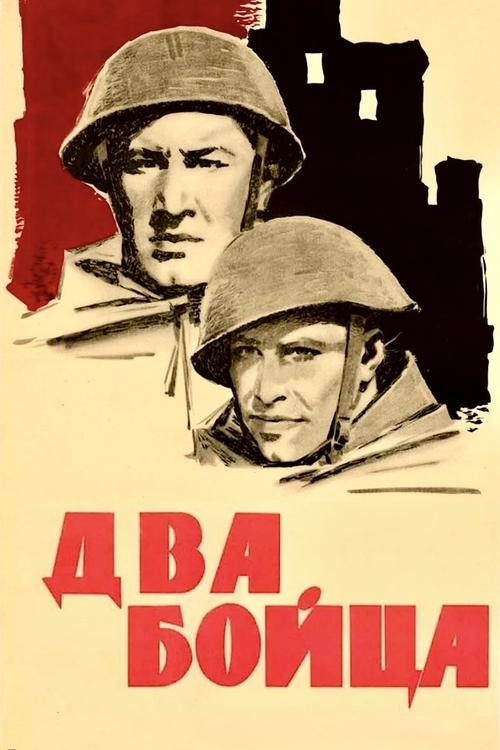
Leonid Lukov
Runtime
80 minutes
Average Rating
No ratings yetNew Showbiz Analysis
Two Soldiers is a cinematic product of its historical moment, designed to foster a sense of collective mobilization during the Great Patriotic War. It succeeds in portraying a unified national identity by bridging regional differences, using the friendship between Arkady and Sasha to represent a diverse, multi-ethnic Soviet state. However, the film is limited by the rigid social structures of the 1940s. It relies heavily on traditional gender hierarchies, where women occupy supportive roles and the soldier experience is framed as a purely masculine domain. There is also a complete absence of LGBTQ+ representation or disability visibility. Ultimately, the film's strength lies in its cultural and ideological messaging. By championing the collective over the individual and prioritizing secular, anti-capitalist values, it offers a distinct narrative framework that challenges Western-aligned social structures.
Category Breakdown
The film focuses entirely on wartime camaraderie among heterosexual soldiers. There is no evidence of queer subtext or non-cisgender identities within the narrative.
Narrative ability to act is concentrated almost exclusively in male protagonists. Female characters serve as secondary emotional anchors or symbols of the home front rather than active drivers of the plot.
The film represents a multi-ethnic, unified state by pairing characters from different regions, such as Odessa and the Urals. This serves as a metaphor for a cohesive fighting force.
The story prioritizes secularism and state-sanctioned atheism over religious influence. It emphasizes collective survival and anti-fascist values over individualist heroism.
There is no discernible focus on visible or invisible disabilities. Characters are presented as able-bodied agents to emphasize military readiness and strength.
Present on Screen
Limited or Absent
Official Synopsis
A story about the friendship between two young men, two soldiers - Arkady from Odessa and Sasha from Ural.
1969

1959
2006
1957
1955

2021
1966
1974
No reviews yet. Be the first to share your thoughts on this movie!
Use the rating form above to leave a star rating and optional review.