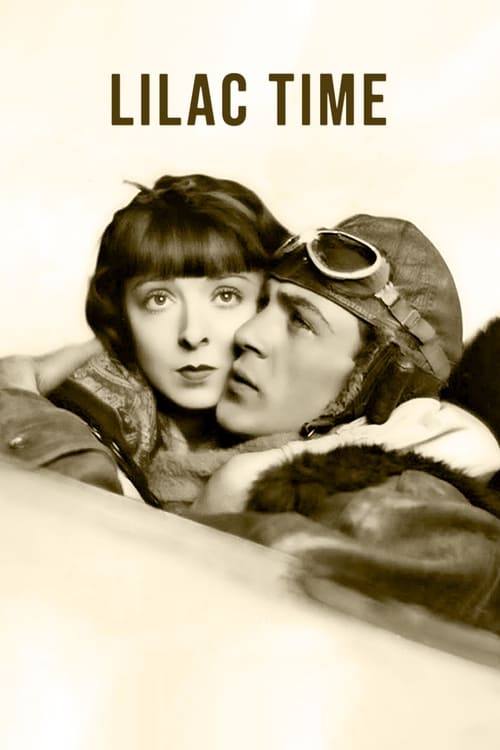
Lilac Time
1928
No user ratings available yet
Representation score: 0.6 out of 10
Representation Score
Minimal
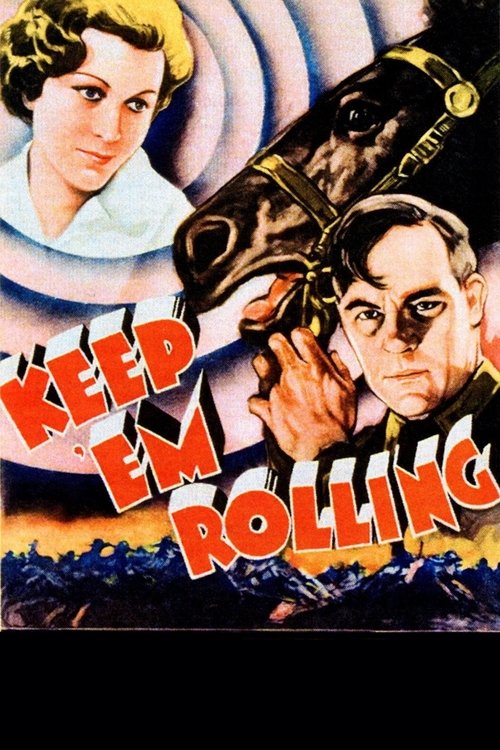
1934
PassedDirector
George Archainbaud
Runtime
69 minutes
Average Rating
No ratings yetNew Showbiz Analysis
Keep 'Em Rolling is a product of the early sound era, a time when traditional social hierarchies were strongly reinforced. The narrative centers on the bond between a soldier and a horse within a wartime setting, emphasizing themes of individual duty and conventional heroism. Since the film follows the dramatic structures of the 1930s, it lacks elements that challenge established norms or disrupt systemic power dynamics. The storytelling appears to rely on clear moral binaries and the social norms of the time. Ultimately, the film serves as a traditional production, focusing on a singular relationship rather than exploring diverse identities or complex social perspectives.
Category Breakdown
The film does not include any characters with non-straight or non-cisgender identities. It seems to follow the strict rules about sexuality that were in place during the early sound era.
While classified as a romance, the story focuses on a soldier and his horse. The film likely uses traditional 1930s gender roles and emphasizes male leadership.
The narrative does not show a diverse cast. Early 1930s studio productions usually featured mostly white actors without much complexity in representing different backgrounds.
Set during World War I, the film highlights traditional Western values such as patriotism and duty. It reinforces the idea of national service without questioning traditional institutions.
There is no information about the depiction of physically or neurodivergent characters in this production.
Present on Screen
Limited or Absent
Official Synopsis
World War I drama about a soldier and the wild horse he befriends.
1928
1925

1933
1953

1941
1930
1930

1931
No reviews yet. Be the first to share your thoughts on this movie!
Use the rating form above to leave a star rating and optional review.