The Battle
1934
No user ratings available yet
Diversity score: 3.7 out of 10
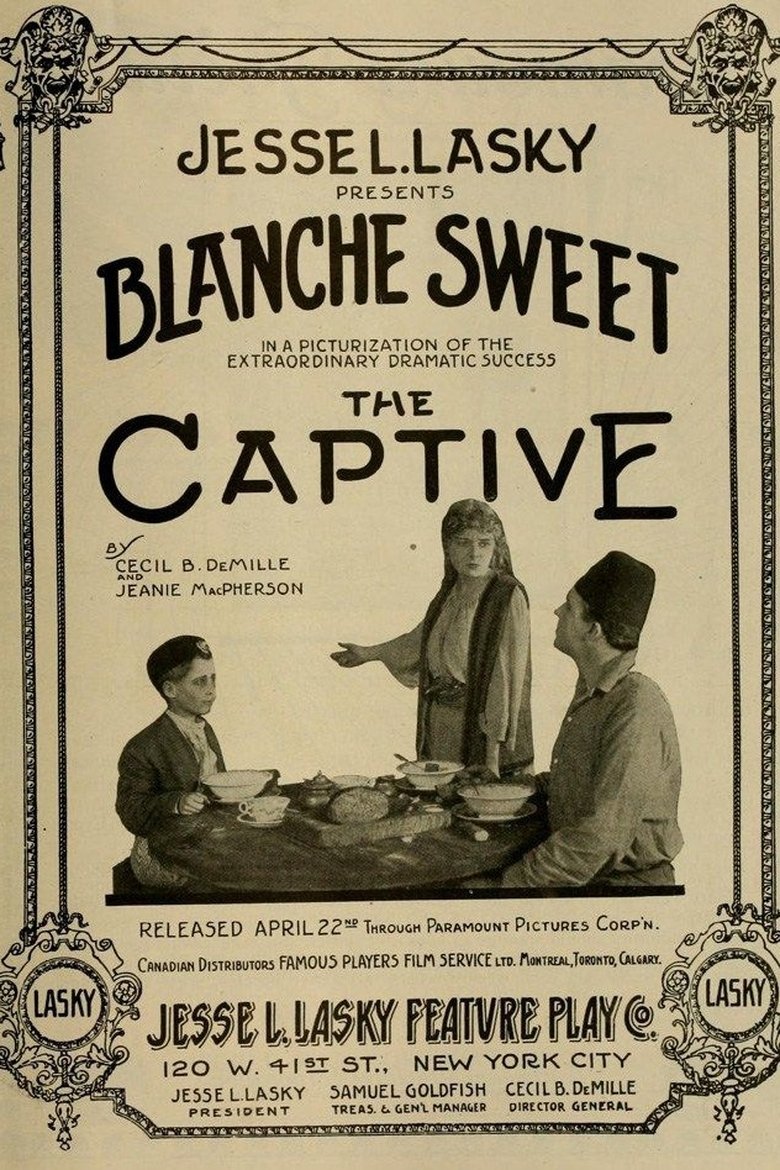
1915
NRDirector
Cecil B. DeMille
Runtime
50 minutes
Average Rating
No ratings yetSynopsis
During the Balkan Wars, Sonia is a young woman living in Montenegro and left to care for her younger brother Milos and the family farm while elder brother Marko goes off to battle. Unable to handle the daily tasks following her brother’s tragic death, help comes in the form of Mahmud Hassan, a captured Turk nobleman, now a prisoner of war. Tasked with helping Sonia, their initial frosty relationship soon melts into romance. As the war rages on Sonia, Mahmud and Milos will face near-insurmountable obstacles in their quest for a better life amidst the hell of war.
Overall Score
Fair
Category Breakdown
LGBTQ+ Representation
The film follows a strictly heteronormative romantic arc. There is no presence of queer subtext or non-cisnormative identities in the story.
Gender Representation
Sonia moves from domestic hardship to active romantic agency. However, her character remains largely defined by traditional gender hierarchies and family stability.
Racial & Ethnic Diversity
The story disrupts era-specific tropes by centering a romance between a Montenegrin woman and a Turkish nobleman. This challenges the typical ethnic segregation of 1915 cinema.
Religious & Cultural Diversity
The Balkan Wars are depicted as a source of systemic chaos. The narrative focuses on individual survival amidst the collapse of traditional geopolitical structures.
Disability Representation
No visible or invisible disabilities are portrayed as central to the characters or the plot.
Strengths
Areas for Improvement
AI Analysis
El cautivo stands as a transitional work in early Hollywood. It avoids the standard 'us vs. them' wartime tropes by allowing intimacy between opposing ethnic groups, offering a more complex view of human connection than many contemporaries. While the film explores cross-cultural romance, it remains tethered to the era's social constraints. The narrative relies heavily on traditional gender roles and lacks any queer representation or disability-focused character arcs. Ultimately, the film's strength lies in its disruption of Western-centric homogeneity through its central romantic pairing, even as it adheres to the period's structural limitations.
1934

1933
1934
1934
1928

1931
1939
2006
1943
1966
1918
No reviews yet. Be the first to share your thoughts on this movie!
Use the rating form above to leave a star rating and optional review.