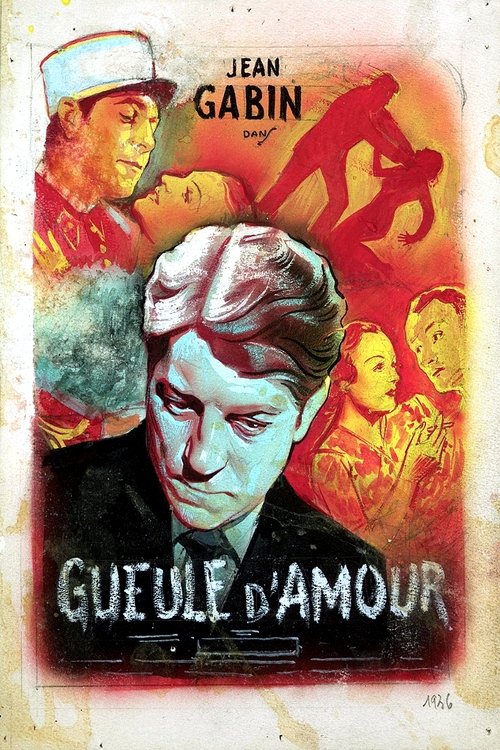
Lady Killer
1937
No user ratings available yet
Representation score: 1.6 out of 10
Representation Score
Limited
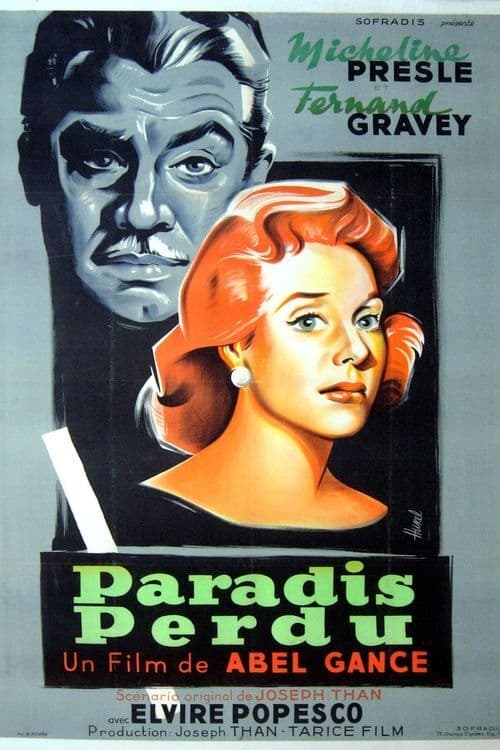
1939
PassedDirector
Abel Gance
Runtime
91 minutes
Average Rating
No ratings yetNew Showbiz Analysis
This film is a classic period drama that uses wartime trauma to explore individual resilience. It relies on traditional dramatic structures, prioritizing emotional realism and conventional social roles over the subversion of cultural hierarchies. The narrative architecture is built on pillars such as romantic love, the sanctity of the family, and the individual's struggle against historical upheaval, adhering closely to the social norms of the late 1930s.
Category Breakdown
The film follows a heterosexual relationship between Pierre and Janine, with no representation of LGBTQ+ identities or critiques of heteronormativity.
Pierre takes an active role in the narrative, while Janine's role is more passive and centered around her domestic life. However, the film emphasizes Janine's tragedy as a pivotal moment for Pierre's personal growth.
The story is set in pre-WWII Paris and focuses on a homogeneous European social structure, reflecting the demographics typical of its time and place.
The film explores the fragility of Western institutions such as the family unit through the lens of tragic loss, emphasizing the sanctity of the father-daughter bond and reinforcing traditional values.
The protagonist's physical injuries and hospitalization serve mainly as plot devices, facilitating his transition from soldier to successful artist rather than exploring disability as a primary identity.
Present on Screen
Limited or Absent
Official Synopsis
In pre-World Ward I in Paris, a budding artist, Pierre LeBlanc, falls in love and marries Janine, a dressmaker's assistant. Pierre has a flair for designing clothes, and he and his bride live in a blissful paradise, until the war breaks out and he becomes a soldier. Janine dies in childbirth and, no longer desiring to live, Pierre volunteers for a dangerous patrol behind German lines. While recuperating in the hospital from a wound he received on the mission, Pierre spends his time drawing sketches of dresses. He becomes rich and famous after the war. Years later, after devoting himself to his daughter, Pierre seeks a marriage with a girl no older than his daughter. A conflict develops and to ensure his daughter's happiness, Pierre sacrifices his own plans.
1937

1940
1953

1932
1928
1957
1939
1958
No reviews yet. Be the first to share your thoughts on this movie!
Use the rating form above to leave a star rating and optional review.