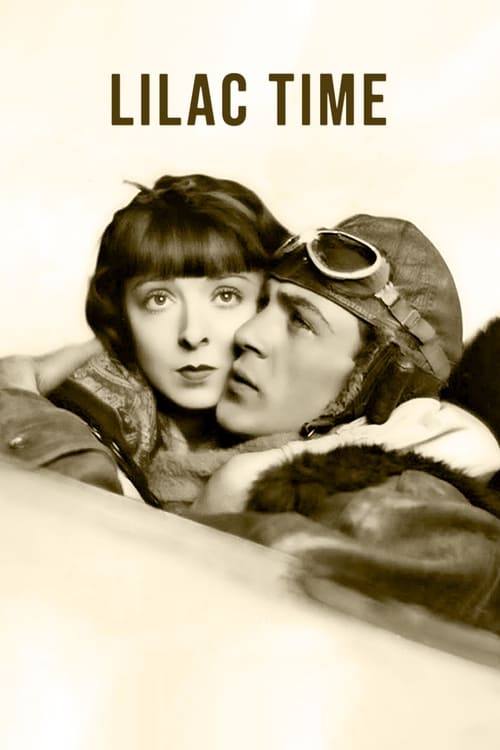
Lilac Time
1928
No user ratings available yet
Representation score: 0.6 out of 10

Representation Score
Minimal
1931
Director
Allan Dwan
Runtime
72 minutes
Average Rating
No ratings yetNew Showbiz Analysis
Chances is a product of early 1930s studio-era storytelling, prioritizing conventional romantic clichés and established social hierarchies. The plot functions through a standard romantic triangle that reinforces traditional gender roles and straight-centered structures. The film lacks meaningful representation of diverse identities, focusing instead on a narrow, Western-centric view of wartime duty and romantic morality. It follows the era's tendency to treat white, straight-centered experiences as the default social norm. Ultimately, the film offers little subversion of historical or social hierarchies, serving as a quintessential example of the period's preoccupation with individual romantic truth and conventional drama.
Category Breakdown
The story focuses on a traditional romantic conflict between two brothers and one woman. There are no characters with non-binary gender identities or stories that challenge the assumption that everyone is straight or cisgender.
Molly actively participates in the war effort, but her role is closely tied to her romantic relationships. The central conflict is driven by male interpersonal dynamics and competition.
The film reflects the homogeneous casting standards of 1931, adhering to the era's tendency toward white-centric storytelling and Western military norms.
The narrative operates within traditional Western values, focusing on wartime duty and familial loyalty. It aligns with patriotic or duty-bound ideals of the period.
The film provides no mention of characters with visible or invisible disabilities.
Present on Screen
Limited or Absent
Official Synopsis
Two brothers, Jack and Tom, are in love with the same woman, Molly. While the two brothers go off to war and Molly does her part in the effort, Tom believes that Molly is waiting for him, while in fact, she loves Jack and only turned to Tom on the rebound. Jack and Molly meet while he is on leave, and when he returns to battle, he doesn't know how to handle the situation with Tom.
1928
1927

1933

1932
1953

1945
1930
1957
No reviews yet. Be the first to share your thoughts on this movie!
Use the rating form above to leave a star rating and optional review.